
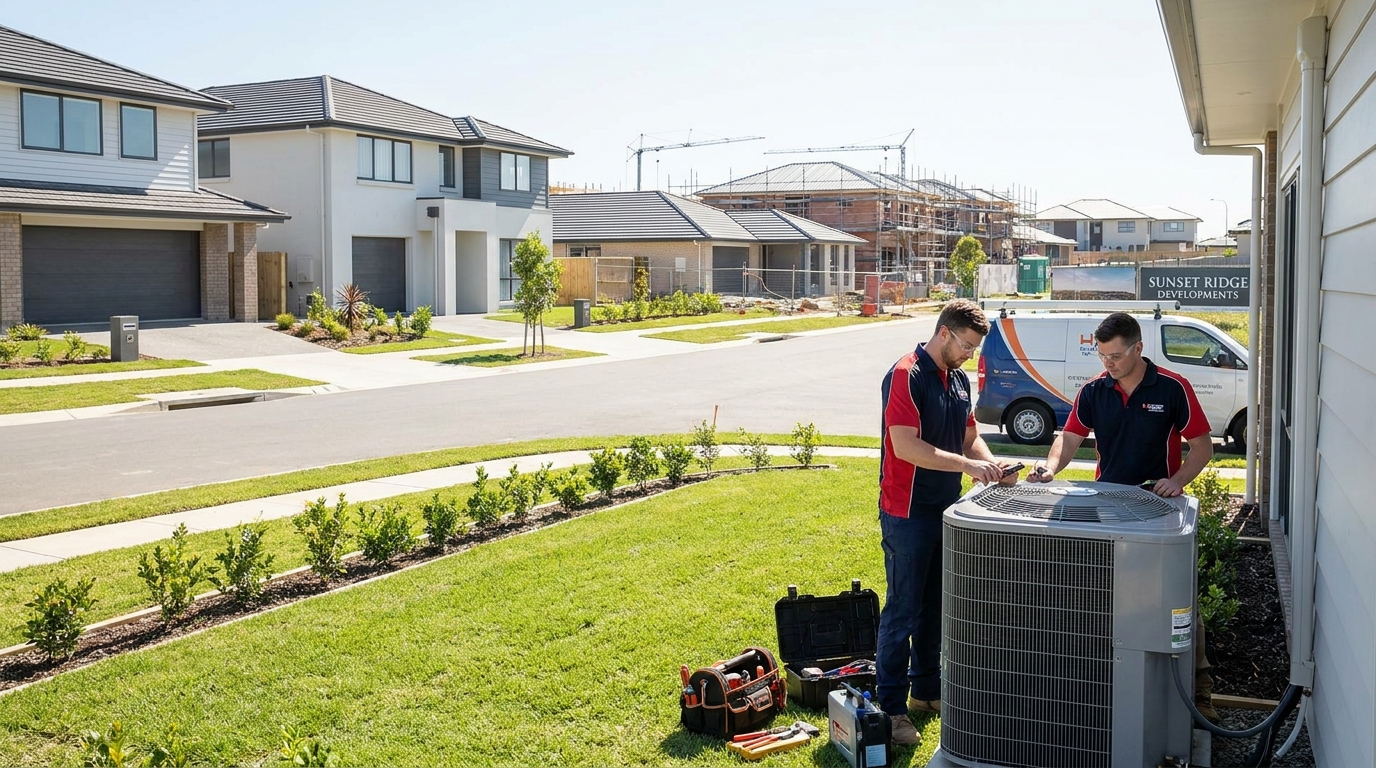
When temperatures spike, your AC becomes the most important “appliance” in the house—and one of the most expensive to repair in a hurry. The good news: a little AC and cooling system prep before the first heat wave can reduce breakdown risk, improve energy efficiency, and strengthen your home’s marketability if you’re planning to sell.
In today’s housing market, buyers are more data-driven than ever. Many will ask about system age, maintenance history, utility costs, and whether the home stays comfortable in peak summer conditions. This guide covers what to do now, what to document, and what to watch for—so you can stay cool and protect your property value.
Why AC and Cooling System Prep Matters (Comfort + Costs + Resale)
Your cooling system impacts more than comfort. It influences monthly operating costs, indoor air quality, and buyer confidence during a transaction.
- Lower energy bills: A well-maintained system can cool more efficiently, reducing runtime and strain.
- Fewer emergency repairs: Catching small issues early (like restricted airflow) can prevent larger failures.
- Better indoor air quality: Clean filters and coils can reduce dust circulation and support healthier air.
- Stronger listing appeal: Maintenance records and recent tune-ups can help position your home as well-cared-for.
Industry note: Efficiency standards and buyer expectations continue to trend upward. More homeowners are tracking maintenance and energy usage as part of their home’s “operating profile”—a practice that can pay off at resale.
Pre-Season AC Checklist: What You Can Do This Week
This is the core of cooling system prep: simple steps that improve airflow, reduce strain, and help you spot problems before they escalate.
1) Replace or clean the air filter
A clogged filter is one of the most common causes of poor airflow and higher energy use.
- Check frequency: Every 30–90 days (more often if you have pets, allergies, or construction dust).
- Tip: Write the install date on the filter frame so you don’t have to guess later.
- Buyer-friendly move: Keep an extra filter on hand and document the size/MERV rating for the next owner.
2) Clear and clean around the outdoor condenser
Your outdoor unit needs breathing room to release heat.
- Remove leaves, grass clippings, and debris from the unit and surrounding pad.
- Maintain at least 2 feet of clearance around the condenser (more is better).
- Gently rinse the fins with a hose (avoid high pressure, which can bend fins).
3) Make sure supply and return vents are open and unobstructed
Blocked vents force the system to work harder and can create hot/cold spots.
- Move rugs, furniture, and curtains away from vents.
- Vacuum vent grilles and nearby baseboards to reduce dust intake.
- Quick test: With the system running, feel for consistent airflow at multiple vents.
4) Inspect the condensate drain line
Many systems remove humidity through a condensate drain. If it clogs, you may see water damage, musty odors, or system shutoffs.
- Look for standing water near the indoor unit or drip pan.
- If accessible, flush the drain line with a small amount of vinegar (follow your equipment guidance).
- Red flag: Repeated clogs or overflow can indicate deeper issues.
5) Test thermostat settings and schedules
Your thermostat is the “brain” of your cooling system. A few tweaks can improve comfort and cost control.
- Confirm the system switches cleanly between cool and off.
- Set a schedule that matches your routine (warmer when away, cooler when home).
- Smart thermostat tip: Enable geofencing or adaptive schedules if supported.
6) Do a quick performance check
Run the system for 15–20 minutes and note what you observe.
- Listen for unusual noises (rattling, buzzing, squealing).
- Notice short cycling (turning on/off rapidly), which may signal airflow or sizing issues.
- Check if rooms cool evenly or if certain zones lag behind.
Efficiency Upgrades That Often Pay Off (and Look Great to Buyers)
If your AC works but feels expensive to run—or you’re thinking about selling soon—targeted upgrades can improve performance without a full replacement. Not every home needs every improvement, but these are common “high signal” items for comfort and perceived value.
Seal air leaks and improve insulation
Your cooling system can’t win against a leaky building envelope. Sealing and insulation often deliver measurable comfort gains.
- DIY wins: Weatherstrip exterior doors, seal obvious gaps around plumbing penetrations, add door sweeps.
- Attic focus: Many homes lose (or gain) the most heat through the attic; insulation upgrades can reduce cooling load.
- Transaction benefit: Energy improvements are easy to explain in listings and showings when documented.
Improve ceiling fan strategy
Fans don’t lower temperature, but they improve perceived comfort—often allowing a slightly higher thermostat setting.
- Set fans to spin counterclockwise in summer to push air downward.
- Use fans only when rooms are occupied to avoid unnecessary energy use.
Consider a smart thermostat (or optimize the one you have)
Smart controls can reduce waste and provide useful data—especially if you want to show buyers a history of responsible maintenance and reasonable utility patterns.
- Look for features like adaptive scheduling, humidity control, and usage reports.
- Make sure your HVAC system is compatible before upgrading.
Address ductwork issues (especially in older homes)
Leaky or poorly insulated ducts can send cooled air into attics or crawlspaces instead of living areas.
- Signs of duct problems: weak airflow in some rooms, dusty supply vents, large temperature differences room-to-room.
- Practical step: Ensure ducts in unconditioned spaces are insulated and connections are sealed.
Warning Signs You Shouldn’t Ignore During Cooling System Prep
Some issues are more than “normal summer strain.” Catch these early to avoid breakdowns during peak demand.
Top red flags
- Warm air blowing: Could indicate refrigerant issues, compressor problems, or airflow restrictions.
- Ice on lines or coils: Often linked to low airflow or refrigerant concerns—don’t keep running it.
- Musty or burning odors: Musty can signal moisture/mold; burning can indicate electrical or motor issues.
- Unusual spikes in utility bills: A sudden increase can point to reduced efficiency or longer runtimes.
- Frequent cycling: Short cycling can reduce efficiency and wear components faster.
System age and “repair vs. replace” planning
Many central AC systems fall into a broad planning window around the 10–15 year mark (varies by climate, usage, and maintenance). Even if your system still runs, it’s smart to plan ahead:
- Track the installation year and model/serial details.
- Keep a log of repairs and recurring issues.
- Note comfort limitations (e.g., “struggles above 95°F”) so you can address them proactively.
Seller-Ready Documentation: Make Your AC a Confidence Builder
If you’re preparing to list your home, AC and cooling system prep is about more than maintenance—it’s about proof. Buyers respond well to clear, organized documentation because it reduces uncertainty.
What to document (simple but powerful)
- Maintenance timeline: Filter changes, coil cleanings, drain line checks.
- Receipts and warranties: Any parts replaced, warranty coverage, and dates.
- System identifiers: Make/model, approximate age, and any upgrades (thermostat, duct insulation).
- Comfort notes: Any rooms that run warmer and what you’ve done to improve airflow.
How to present it during a sale
- Create a one-page “Home Systems Snapshot” that includes AC age, last service date, filter size, and thermostat type.
- Attach supporting records in a clean folder (digital or printed) for easy review.
- Be transparent about known issues and what steps you’ve taken—clarity builds trust.
Cooling Prep for Buyers: What to Check Before You Close
Buying a home in warm weather (or heading into summer) means you should validate cooling performance early—before you’re moved in and the first heat wave hits.
- Run the system during a walkthrough: Confirm it cools consistently and listen for abnormal noises.
- Check airflow room-to-room: Uneven cooling may point to duct or balancing issues.
- Ask for maintenance records: Filter history and recent service can indicate how the system was treated.
- Look at the outdoor unit location: Heavy vegetation, restricted clearance, or visible fin damage can be a sign of neglect.
Conclusion: Make Cooling System Prep a Smart, Trackable Routine
AC and cooling system prep is one of the highest-impact seasonal habits you can build. It protects comfort, helps control energy costs, and creates a cleaner story for your home—especially if you plan to sell.
Ready to turn maintenance into real transaction leverage? AIRE helps you stay organized and informed with AI-powered guidance, smart checklists, and transaction-ready documentation so you can buy or sell confidently—without relying on traditional agents. Build your home’s maintenance and disclosure-ready file in AIRE, and keep every upgrade, receipt, and system detail working in your favor.