
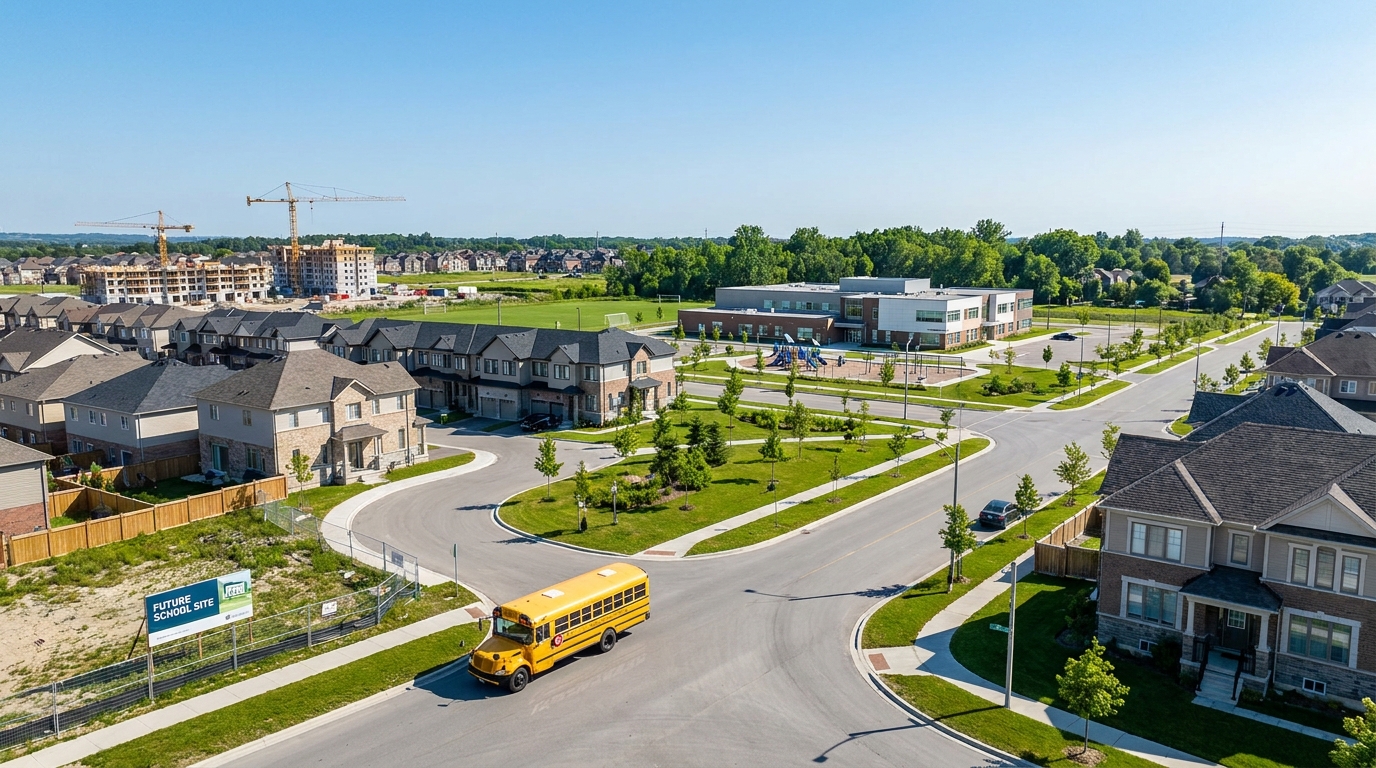
Back-to-school season has a way of turning “nice-to-have” neighborhood perks into everyday essentials. Morning drop-offs, after-school activities, homework time, and earlier bedtimes all put new pressure on your location choices—whether you’re buying, selling, or simply reevaluating what makes a neighborhood work.
This is why back-to-school neighborhood features are more than lifestyle upgrades: they can shape your daily schedule, your child’s independence, and even long-term property appeal. Below is a practical, data-minded guide to the features to prioritize—and how to evaluate them efficiently with modern tools.
Why Back-to-School Neighborhood Features Matter (Right Now)
Seasonal shifts influence housing behavior. In late summer and early fall, many buyers narrow their search around school routines and predictable commutes. Sellers can also benefit by highlighting school-year-friendly amenities that stand out in listings and showings.
When evaluating a neighborhood through a back-to-school lens, you’re looking for two things:
- Daily friction reducers (shorter travel times, safer crossings, nearby essentials)
- Long-term value signals (community investment, stable demand, useful infrastructure)
In other words: the best neighborhoods help you run a smoother week and hold their appeal when it’s time to sell.
Top Back-to-School Neighborhood Features to Prioritize
Not every homebuyer has kids—and not every family needs the same setup. But these neighborhood characteristics consistently support school-year routines and tend to be attractive to a wide range of buyers.
1) Safe, Practical Routes for School and Activities
“Close to school” matters less if the route is stressful. Look for:
- Sidewalk continuity (no sudden drop-offs forcing pedestrians into traffic)
- Protected crossings (crosswalks, crossing guards, pedestrian signals)
- Traffic-calming design (speed humps, narrower streets, roundabouts, signage)
- Bike infrastructure (bike lanes, multi-use paths, secure bike storage)
Actionable tip: Do a “school week test” by driving or walking the route at peak times—morning drop-off and afternoon pick-up. Pay attention to bottlenecks, unsafe turns, and whether kids can realistically walk or bike as they get older.
2) Commute Efficiency for the Whole Household
Back-to-school routines often create dual commutes: school + work + activities. Neighborhoods that reduce total weekly drive time can feel like a major quality-of-life upgrade.
- Multiple route options (not a single choke point)
- Access to public transit (bus stops, rail, park-and-ride)
- Proximity to employment hubs without constant highway dependence
Actionable tip: Map your top 5 recurring destinations (school, work, grocery, activities, family support) and compare neighborhoods by total weekly travel time, not just one commute.
3) Learning-Friendly Spaces Beyond the Classroom
Neighborhood “learning infrastructure” is a real differentiator, especially as families balance homework, tutoring, group projects, and enrichment.
- Libraries (study rooms, events, reliable Wi-Fi)
- Community centers (after-school programs, classes)
- Quiet cafés or co-study spaces for older students
- Museums, STEM programs, and youth clubs nearby
Seller angle: If your home is near a library or community center, add it to your listing highlights. These are practical, year-round benefits that resonate during back-to-school shopping season.
4) Parks, Playgrounds, and Organized Recreation
School-year stress is real—for kids and adults. Nearby outdoor space helps with movement breaks, sports practice, and social connection.
- Well-maintained parks with lighting and visibility
- Playgrounds with age-appropriate equipment
- Sports fields/courts for soccer, baseball, tennis, basketball
- Trails for walking, running, biking
Actionable tip: Check park conditions at different times (weekday evening vs. weekend morning). Maintenance and usage patterns tell you a lot about neighborhood care and safety.
5) Everyday Convenience: The “15-Minute Life” Effect
Back-to-school introduces more errands: supplies, lunches, quick pharmacy runs, last-minute poster boards. Neighborhoods that keep essentials close help you stay sane.
- Grocery and pharmacy access
- Walkable services (dry cleaner, coffee shop, bank/ATM)
- Child-friendly dining and quick meal options
- Medical/urgent care nearby for inevitable seasonal bugs
Actionable tip: Make a “school-week essentials list” and score each neighborhood from 1–5 based on how many items are within a short drive (or walk). The numbers add clarity when homes feel otherwise similar.
6) Reliable Connectivity (Yes, It’s a Neighborhood Feature)
Even if your student isn’t learning remotely, connectivity supports homework platforms, parent portals, extracurricular scheduling, and flexible work routines.
- High-speed internet availability (not just advertised—verify)
- Cell coverage consistency
- Power reliability (outage frequency can vary by area)
Actionable tip: Ask sellers for their current provider and typical speeds, then independently confirm options for that address. A “great plan” is only great if it’s available on your block.
7) Community Signals: Events, Engagement, and Practical Support
Some neighborhoods simply run smoother during the school year because people coordinate and communicate.
- Neighborhood groups (communications about events, safety alerts, lost-and-found)
- Seasonal events (fall festivals, school supply drives)
- Volunteer culture (community cleanups, youth coaching)
Seller angle: If your area hosts recurring events, include them in your property description and showing materials. “Strong community” becomes more believable when you cite specific traditions.
How to Evaluate These Features Like a Pro (Without Guesswork)
Neighborhood evaluation is easiest when you combine firsthand experience with objective data. Here’s a clear process you can repeat across multiple areas.
A simple 7-step back-to-school neighborhood checklist
- Define your non-negotiables (e.g., walkable school route, quick access to after-school activities, nearby library).
- Map your weekly routine (school, work, groceries, sports). Compare neighborhoods by total time, not single trips.
- Visit during school rush hours to observe traffic patterns, parking constraints, and crossing safety.
- Test the “kid independence path”: can an older child safely walk/bike to a park, a friend’s house, or a community center?
- Check noise patterns (busy roads, construction corridors, nightlife). Quiet matters on school nights.
- Validate connectivity (internet options, cell signal). Don’t rely on assumptions.
- Score and compare: assign a 1–5 rating for safety, commute, convenience, enrichment, recreation, connectivity, and community.
What sellers should highlight during back-to-school season
If you’re listing a home, back-to-school timing can be a strategic advantage—if your marketing speaks directly to school-year needs. Consider featuring:
- Safe routes (sidewalks, crosswalks, traffic calming)
- Distance to parks and programs (sports fields, community center schedules)
- Study-friendly home and neighborhood features (quiet street, nearby library)
- Convenience wins (grocery, pharmacy, transit access)
Practical tip: Create a short “School-Year Living” section in your listing notes or home info sheet: 5 bullets that describe what a typical weekday looks like from that address.
Industry Watch: Why These Features Are Gaining More Attention
In today’s market, buyers are more data-aware and lifestyle-focused than ever. A few broad trends are pushing back-to-school neighborhood features higher on the priority list:
- Time is the new luxury: Families are optimizing around fewer daily trips and shorter waits in traffic.
- Flexible schedules are common: Hybrid work and varied extracurriculars increase the value of transit options and nearby services.
- “Third places” matter: Libraries, community centers, and parks support social connection and learning without extra cost.
- Infrastructure impacts value perception: Sidewalks, trails, and well-kept public spaces often signal long-term neighborhood stability.
As buyers become more intentional, neighborhoods that support school-year routines can stand out—even when homes have similar floor plans and price points.
Conclusion: Choose a Neighborhood That Makes the School Year Easier
The right home isn’t only about bedrooms and square footage. During back-to-school season, the neighborhood becomes part of your daily operating system—shaping mornings, after-school logistics, homework habits, and weekend recovery.
If you want to evaluate neighborhoods faster and more confidently, AIRE helps you analyze locations, compare features that matter to your routine, and manage your real estate transaction with AI-powered guidance—so you can make smart decisions without relying on traditional agents. Explore AIRE to shortlist the best-fit neighborhoods, validate your criteria, and move from browsing to confident action.