
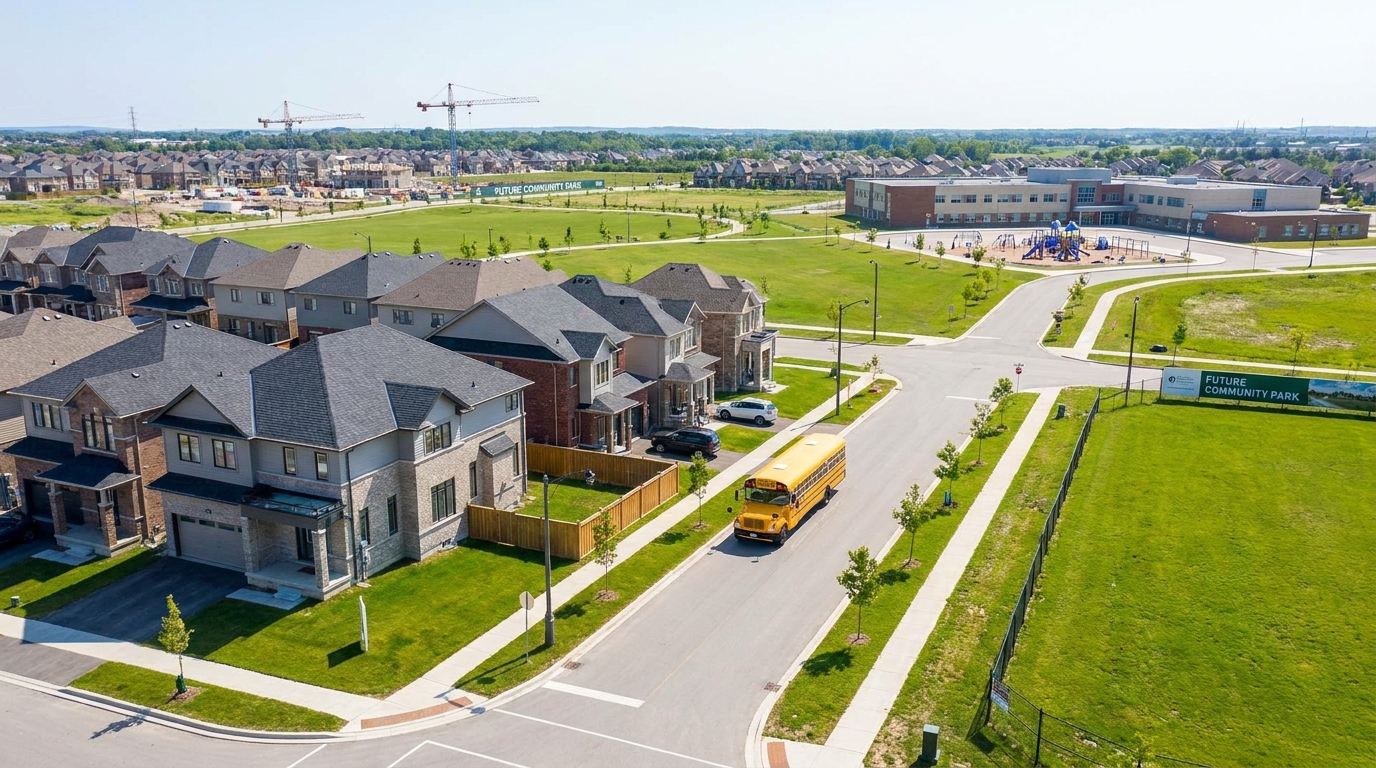
When the school year ramps up, the “right home” becomes more than square footage. Routines tighten, schedules get complex, and the neighborhood suddenly matters as much as the property. That’s why back-to-school season can shift demand toward homes that support easier mornings, safer afternoons, and simpler logistics—whether you’re buying your next place or preparing to sell.
Below is a data-minded, practical guide to back-to-school neighborhood features buyers prioritize—and how you can evaluate (or market) them efficiently using modern tools and AI-driven insights.
Why Back-to-School Season Changes What Buyers Want
Back-to-school is a built-in lifestyle reset. Households re-evaluate commutes, childcare, extracurriculars, and how much time they lose (or save) every day. In real estate, that often translates into heightened attention on:
- Time savings (shorter school routes, easier errands)
- Safety (traffic patterns, lighting, sidewalks)
- Kid-friendly infrastructure (parks, play areas, community centers)
- Convenience (transit access, after-school options nearby)
- Community feel (events, neighbor interaction, supportive amenities)
For sellers, these priorities create a marketing opportunity: highlight the features that reduce friction in daily life. For buyers, it’s a reminder to evaluate the neighborhood with your weekly schedule in mind—not just a weekend showing.
Back-to-School Neighborhood Features Buyers Value Most
Not every buyer has kids, but many still value “school-season convenience” because it overlaps with quality-of-life fundamentals: quieter streets, good infrastructure, and nearby amenities. Here are the features that consistently rise to the top.
1) Walkability and Safe Routes
A walkable neighborhood can mean fewer car trips, less morning stress, and more independence for older kids. But “walkable” isn’t just a score—it’s the lived experience of crossing streets and navigating blocks daily.
What to look for:
- Continuous sidewalks (not intermittent or crumbling sections)
- Marked crosswalks near key intersections
- Traffic-calming (speed bumps, narrower lanes, signage)
- Street lighting for darker mornings/evenings
- Bike lanes or low-stress cycling routes
Practical tip: Do a “school-week test walk.” Visit at morning drop-off time and again around after-school pickup. You’ll learn more in 30 minutes than you will from a map screenshot.
2) Commute Efficiency (School + Work + Activities)
Back-to-school amplifies the pain of long or unpredictable commutes. Buyers often prefer neighborhoods that offer multiple routing options and access to transit—especially when a household juggles different schedules.
What to look for:
- Alternate routes to avoid bottlenecks near campuses
- Proximity to public transit (bus stops, rail stations, park-and-ride)
- Bike-friendly connectors to schools, parks, and shopping
- Traffic patterns that don’t overwhelm residential streets
Practical tip: Use real-time navigation during peak hours for a few days (morning and late afternoon). Compare “typical” time vs. “worst-case” time—your weekly routine will feel the difference.
3) Parks, Playgrounds, and Outdoor Space
During the school year, nearby outdoor options become the easiest “pressure valve” between homework, practice, and dinner. Parks aren’t just for weekends—they’re for quick 30-minute breaks.
What to look for:
- Playgrounds with shade and age-appropriate equipment
- Multi-use fields (soccer, baseball, open play)
- Trails for walking, scooters, or biking
- Dog-friendly areas if you’re balancing pets and kids
- Maintenance (trash, broken equipment, lighting, restrooms)
Seller move: If a great park is within a short drive or walk, mention it in your listing description and include a map image in your marketing materials (where allowed). Lifestyle sells.
4) After-School Infrastructure: Libraries, Community Centers, and Lessons
Families (and busy professionals) value neighborhoods that reduce the number of “separate trips” needed to keep life running. Access to enrichment and support resources can be a major draw—especially for buyers planning long-term.
What to look for nearby:
- Public libraries (study spaces, tutoring programs, events)
- Community centers (sports, classes, camps)
- Music/dance studios and tutoring centers
- Teen-friendly spaces (safe hangouts, recreation programs)
Practical tip: Check evening parking and traffic around these facilities. High-demand programs can create localized congestion—good to know before you commit.
5) Everyday Convenience: Grocery, Pharmacy, and Quick Errands
Back-to-school means constant “micro-errands”: snacks, supplies, prescriptions, last-minute lunch fixes. Neighborhoods that support quick trips tend to feel easier to live in.
High-impact proximity includes:
- Grocery stores and wholesale options
- Pharmacies and urgent care for seasonal illnesses
- Coffee shops and quick-service restaurants (for schedule crunches)
- Office supply stores or reliable delivery coverage
Seller move: Don’t just say “close to shops.” Be specific: “6 minutes to grocery,” “2 miles to pharmacy,” or “walkable to coffee.” Concrete details help buyers visualize daily life.
6) Neighborhood Safety Signals (Beyond Crime Stats)
Safety is multi-dimensional. Buyers often consider both hard data and “environmental cues” that influence how safe a place feels when walking early in the morning or after sunset.
What to assess:
- Lighting on sidewalks and corners
- Visibility (clear sightlines, trimmed landscaping)
- Traffic speed on residential streets
- Neighborhood upkeep (well-maintained public areas)
- Noise and activity at night (bars, stadiums, late-night venues)
Practical tip: Visit the block at three times: morning rush, late afternoon, and after dark. You’ll get a more realistic read than a single open-house window.
A Back-to-School Neighborhood Checklist (Buyers & Sellers)
Use this quick framework to compare neighborhoods consistently. It’s designed for real-world decision-making—not just “nice to have” features.
For buyers: Rate each category 1–5
- School-week route: How predictable is the morning/afternoon drive or walk?
- Sidewalks + crossings: Are there safe, continuous paths?
- Parks + outdoor options: Can you get outside easily on weekdays?
- Errand efficiency: How quickly can you handle weekly essentials?
- After-school ecosystem: Are tutoring, lessons, and programs accessible?
- Safety signals: Does it feel safe at the hours you’ll actually be out?
- Noise + calm: Is the environment compatible with homework and rest?
Decision tip: If two homes are similar, the neighborhood scorecard often reveals the better long-term choice—because routines repeat hundreds of times per year.
For sellers: Turn features into proof points
- Translate proximity into minutes (not vague adjectives).
- Highlight “weekday wins” like sidewalks, crosswalks, and nearby parks.
- Show the lifestyle with a simple neighborhood map and a short “daily loop” description.
- Time your marketing to back-to-school urgency: buyers are often more decisive when routines are imminent.
How to Evaluate Neighborhood Features Faster with AI (Without Guesswork)
Back-to-school buyers move quickly, and sellers benefit from sharper positioning. The challenge is sorting signal from noise: one listing might emphasize “family-friendly,” while another mentions “near parks,” but neither quantifies what matters.
Modern AI tools can help you evaluate and communicate neighborhood value more efficiently by organizing information, comparing locations, and turning scattered data into clear next steps.
Smart ways to use AI in your search or sale prep
- Create a routine-based shortlist: Filter neighborhoods by what your school-week requires (walkability, transit, errands, parks).
- Compare listings consistently: Use the same checklist across every home so you don’t “fall in love” and forget the commute reality.
- Draft stronger listing language: Turn local features into buyer-friendly benefits with specifics and clarity.
- Stay ahead of seasonality: Track which features are emphasized in the market during back-to-school and align your strategy.
Industry note: As real estate becomes more self-directed, buyers and sellers increasingly expect faster access to insights, clearer comparisons, and less reliance on vague claims. Neighborhood features are a perfect place to apply that shift—because the right data saves time and reduces decision stress.
Conclusion: Choose (or Market) the Neighborhood That Makes School-Year Life Easier
Back-to-school season puts neighborhood functionality under a microscope. Sidewalks, parks, after-school infrastructure, transit, and errand convenience aren’t just “nice extras”—they’re the building blocks of a smoother week. If you evaluate these features intentionally, you’ll make smarter decisions faster and avoid the most common regret: realizing the routine doesn’t work after you move in.
Ready to act with confidence? AIRE helps you buy or sell independently with AI-powered support—so you can compare neighborhoods, evaluate listings, craft data-backed marketing, and manage your transaction steps with clarity and speed. Explore AIRE to turn back-to-school priorities into a smarter real estate move.