
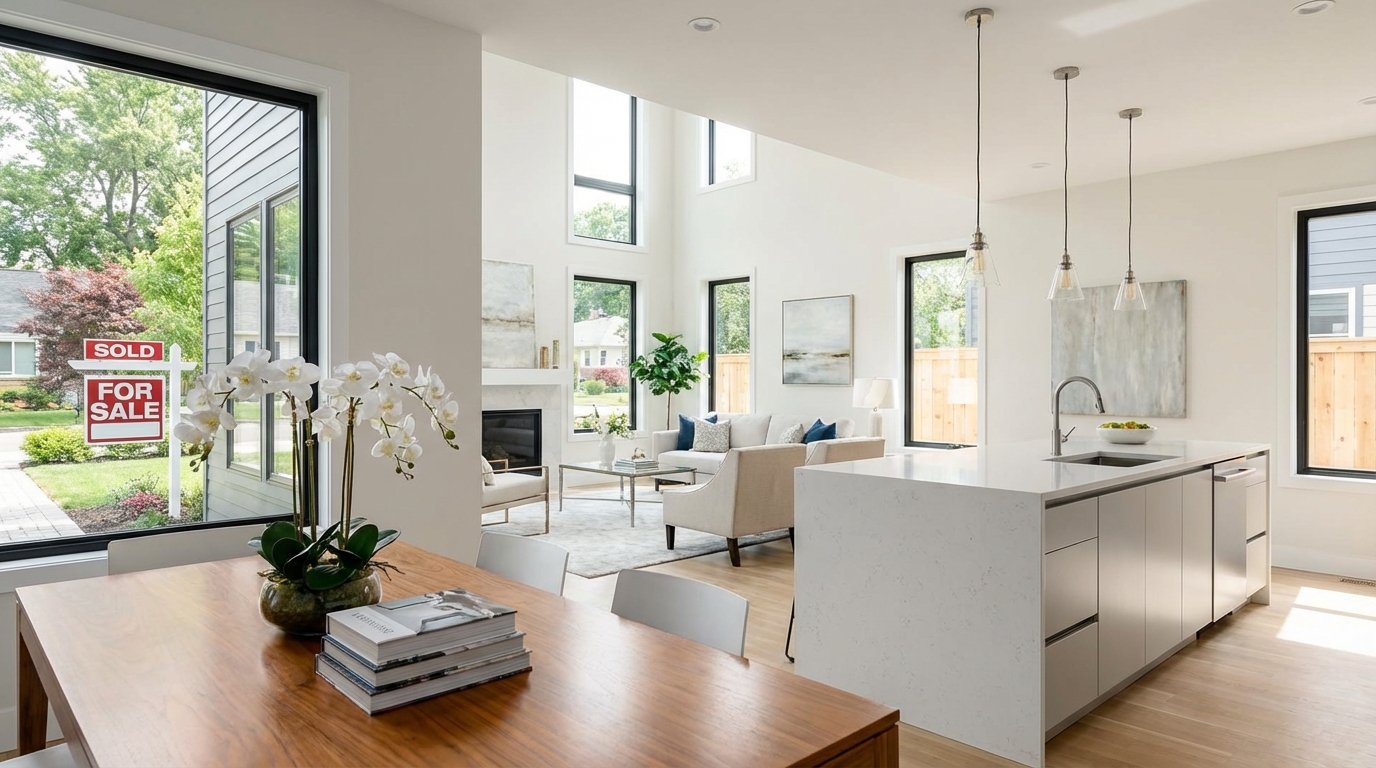
When you’re preparing to sell, it’s tempting to think “bigger renovation = bigger profit.” In reality, the best improvements for resale value are usually the ones that make your home feel move-in ready, reduce buyer uncertainty, and photograph beautifully—without overspending on finishes your market won’t reward.
This guide breaks down the highest-impact upgrades (and the ones that often disappoint), along with a practical plan to prioritize your budget. You’ll also learn how to use data—comps, buyer demand, and local pricing—to choose improvements that actually improve your bottom line.
How to Think About ROI (Before You Spend a Dollar)
“Return on investment” (ROI) in real estate isn’t only about recouping costs on a spreadsheet. Buyers pay a premium for homes that feel low-risk and low-effort. The winning strategy is typically a combination of visual appeal + functional confidence.
Three ROI levers that drive resale value
- First impression: Curb appeal and entry experience influence how buyers perceive the entire property.
- Perceived condition: Fresh paint, clean finishes, updated lighting, and well-maintained systems can make the home feel “newer” even without major remodeling.
- Market alignment: The best upgrade is the one your local buyers value at your price point (not what’s trending on social media).
A quick decision framework (use this to prioritize)
Before committing to any project, run each idea through these questions:
- Will buyers notice it immediately in photos and showings?
- Does it reduce a common objection (old roof, worn floors, dated kitchen, musty odor)?
- Is it standard for the neighborhood (or will you over-improve)?
- Can it be done quickly and cleanly (timelines matter when you’re selling)?
Tip: If an improvement is expensive and hard to notice, it’s often a poor resale move.
Best Improvements for Resale Value (Highest Impact First)
If you want the biggest results, focus on projects that make the home feel bright, clean, updated, and well cared for. These improvements tend to help homes sell faster and protect your pricing power.
1) Paint (the fastest “reset” for your home)
A fresh, neutral paint job is one of the most consistent resale boosters because it changes how buyers experience the space instantly. It also photographs better than scuffed or bold walls.
- Choose modern neutrals (soft white, light greige) and keep it consistent.
- Patch holes, fix nail pops, and clean baseboards—details signal care.
- Don’t forget high-visibility areas: entry, hallway, main living space.
Actionable tip: Paint the front door and refresh trim for a high-impact, low-cost upgrade.
2) Lighting upgrades (make every room feel newer)
Outdated fixtures can date a home faster than you’d think. Swapping in clean, modern lighting is relatively affordable and improves both the in-person experience and listing photos.
- Replace “boob lights,” dated chandeliers, and mismatched finishes.
- Use consistent color temperature (generally warm-white for living areas).
- Add brighter bulbs where rooms feel dim—buyers equate brightness with cleanliness and safety.
Actionable tip: Upgrade exterior lighting at the entry and garage for instant curb appeal and a safer feel at dusk showings.
3) Curb appeal (your highest-leverage marketing investment)
Buyers form opinions before they step inside. Curb appeal improvements often pay off because they increase showing interest and reduce lowball offers.
- Landscape cleanup: trim shrubs, edge walkways, add fresh mulch.
- Power wash siding, driveway, walkway, and porch.
- Refresh house numbers, mailbox, and hardware.
- Repair visible cracks or peeling paint.
Actionable tip: Aim for a “three-photo test”: if your exterior looks great in three quick photos (wide, entry, street angle), you’re in strong shape.
4) Flooring refresh (buyers feel it with every step)
Worn carpet and damaged floors can sink perceived value quickly. Clean, cohesive flooring makes the home feel updated—even if nothing else changes.
- Refinish hardwood when possible; it often outperforms replacement on ROI.
- Replace stained carpet, especially in main living areas.
- Fix squeaks and transitions (thresholds) to reduce “hidden problem” vibes.
Actionable tip: If you can’t replace all flooring, prioritize what buyers see first: entry, living room, and main hallway.
5) Kitchen “mini-updates” (not always a full remodel)
Kitchens sell homes, but full renovations can be expensive and easy to overdo. The sweet spot for resale value is often a cosmetic refresh that modernizes the look without moving plumbing or walls.
- Paint or refinish cabinets (when structurally sound).
- Replace dated hardware (pulls/knobs) with a consistent finish.
- Upgrade faucet and lighting; consider a modern, single-bowl sink if budget allows.
- Swap worn countertops if they’re a major negative (market-dependent).
Actionable tip: If your cabinets are solid, a professional paint job + new hardware can deliver a “new kitchen feel” at a fraction of the cost.
6) Bathroom refresh (clean + modern beats luxury)
Bathrooms influence buyer confidence because they’re associated with hygiene and maintenance. You don’t need spa-level upgrades—just make it look crisp and problem-free.
- Re-caulk tubs/showers and re-grout where needed.
- Replace dated mirrors and vanity lighting.
- Update faucets and towel bars for a cohesive look.
- Fix ventilation issues to prevent odor or moisture concerns.
Actionable tip: A spotless, bright bathroom with modern fixtures often beats an expensive remodel that still looks “busy” or mismatched.
7) Energy and comfort upgrades buyers can feel
Energy efficiency matters more each year, especially where utility costs are high. While not every improvement is visible, comfort upgrades help buyers justify your price.
- Seal drafts: weatherstripping, door sweeps, attic hatch sealing.
- Smart thermostat (simple, familiar models sell best).
- Service HVAC and provide documentation to reduce buyer anxiety.
- Upgrade attic insulation where it’s clearly lacking (region-dependent).
Actionable tip: Keep receipts and service records in a “home care” folder you can share during negotiations.
Improvements That Often Don’t Pay Off (Or Can Backfire)
Some projects feel exciting but don’t translate to higher offers—especially if they’re too personalized or priced above neighborhood norms. These aren’t always “bad,” but they’re risky if your primary goal is resale value.
Be cautious with these common upgrades
- Over-customized finishes: bold tiles, niche color palettes, ultra-trendy designs that can date quickly.
- Luxury additions in mid-range neighborhoods: high-end appliances, premium stone, or bespoke cabinetry may not be recouped.
- Major layout changes: moving walls/plumbing can be expensive, slow, and hard to value in comps.
- Swimming pools: can narrow your buyer pool and add insurance/maintenance concerns (market-specific).
- DIY work with visible flaws: uneven tile, messy paint lines, or amateur electrical can reduce trust and trigger tougher inspections.
The “over-improvement” trap
Your ceiling price is set by what buyers pay for similar homes nearby. If your improvements push you far above your neighborhood’s comparable sales, you may not get the return you expect. The goal is to be one of the best homes in your price bracket, not necessarily the most expensive home on the block.
Your Step-by-Step Plan: What to Do First (and How to Budget)
If you’re unsure where to start, use this sequence. It’s designed to maximize resale impact while keeping timelines and costs under control.
Step 1: Fix the “silent deal killers”
These issues can reduce offers or derail inspections:
- Leaks, water stains, or musty odors
- Electrical red flags (flickering lights, missing covers, outdated panels where relevant)
- Roof or gutter problems
- HVAC issues and lack of service history
- Foundation or drainage concerns
Actionable tip: If you have the budget, consider a pre-listing inspection mindset: address obvious defects now so buyers don’t use them as negotiation leverage later.
Step 2: Make it look clean, bright, and consistent
This is where paint, lighting, flooring, and deep cleaning shine. Consistency sells: matching finishes, cohesive colors, and tidy details make the home feel more valuable.
Step 3: Target “photo-first” upgrades
Most buyers meet your home online before they ever visit. Prioritize improvements that show clearly in listing photos:
- Entry and curb appeal
- Main living area lighting + paint
- Kitchen cabinet/fixture refresh
- Primary bathroom touch-ups
Step 4: Budget using a value-based approach
Instead of guessing, anchor your budget to your likely price band:
- Look at nearby comparable sales and identify what “updated” looks like at your target price.
- Allocate more to visible, broad-impact areas (paint, floors, lighting, kitchen refresh) than to niche features.
- Leave a buffer for surprises—especially if your home is older.
Actionable tip: If you’re choosing between two projects, pick the one that removes a buyer objection (worn floors, dingy paint, dated lights) over the one that adds a “nice-to-have.”
How AIRE Helps You Choose the Right Improvements (and Price Confidently)
The smartest resale upgrades are the ones aligned with your local market—not generic checklists. That’s where an AI-powered approach makes a measurable difference.
- Comp-driven planning: Use AIRE to analyze your neighborhood comps and identify which finishes and features are common at top sale prices.
- Upgrade prioritization: Build an improvement short-list based on buyer expectations in your price range, helping you avoid over-improving.
- Pricing strategy: Once improvements are complete, AIRE can help you position your home with data-backed pricing and a clear value narrative.
- Listing readiness: Get a step-by-step selling workflow—so your prep, photos, disclosures, and launch timing all work together.
Conclusion: Spend Where Buyers Feel It, See It, and Trust It
The best improvements for resale value aren’t always the biggest renovations. They’re the upgrades that make your home look sharper, feel better maintained, and remove the friction that causes buyers to hesitate. Start with condition and consistency, then invest in the areas buyers care about most: curb appeal, kitchens, bathrooms, lighting, and flooring.
Ready to make the right upgrades—and sell with confidence? Use AIRE to evaluate your local comps, prioritize improvements for maximum impact, and build a data-driven pricing and selling plan—so you can handle your transaction independently with AI-powered guidance at every step.