
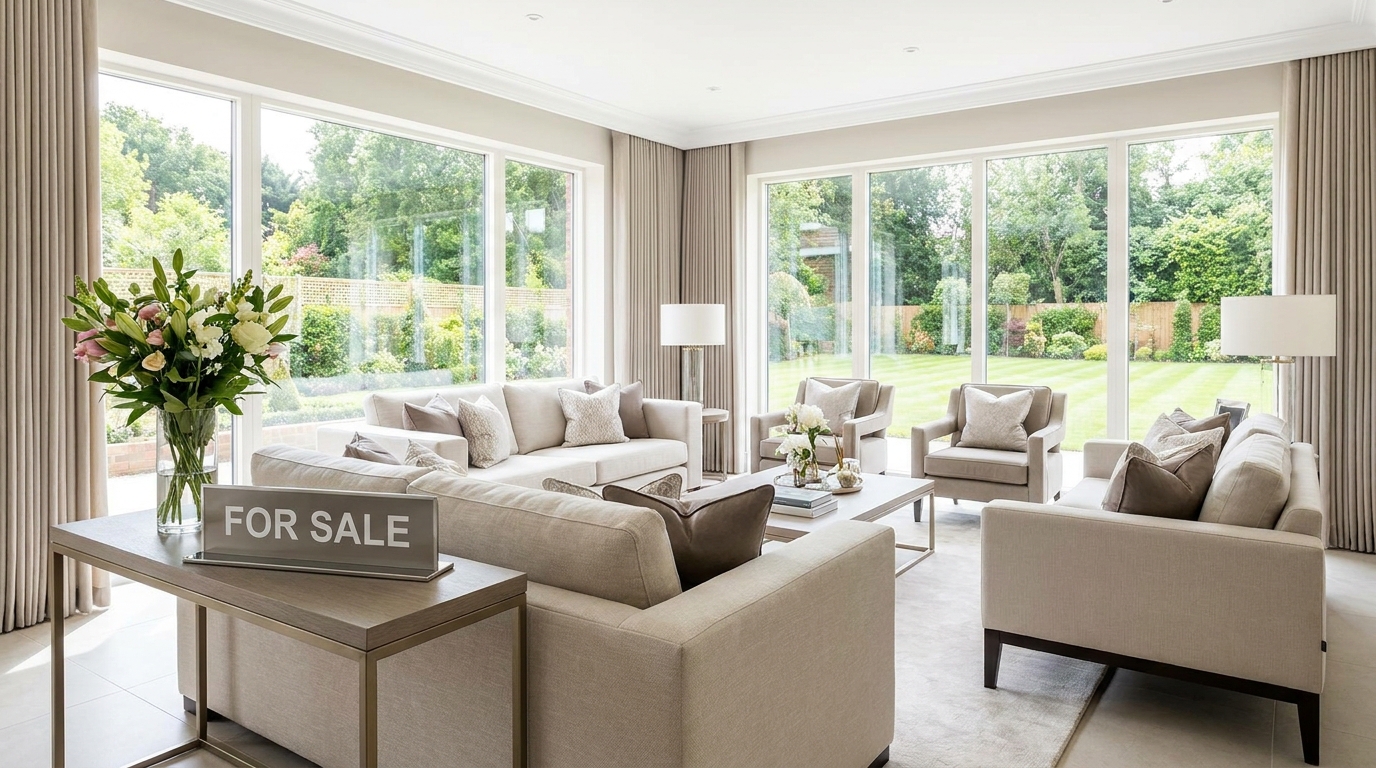
Want a higher sale price without wasting money on the wrong upgrades? The best improvements for resale value aren’t always the flashiest—they’re the ones buyers notice immediately, appraisers can support with comps, and inspectors won’t flag. In this selling guide, you’ll learn which home improvements typically deliver the strongest return on investment (ROI), how to prioritize projects based on your local market, and how to build a clear, data-backed plan that helps you sell faster and more confidently.
How to Choose the Best Improvements for Resale Value
Before you spend a dollar, align improvements with what actually drives buyer demand in your area: condition, functionality, and first impressions. The most reliable resale-value upgrades tend to fall into three buckets:
- Fixes that reduce buyer risk (repairs, deferred maintenance, safety issues)
- Updates that modernize key spaces (kitchens, baths, lighting, flooring)
- Improvements that boost curb appeal (entry, landscaping, exterior condition)
Use this simple ROI-first filter
Run every project through these questions:
- Will this be obvious in the first 30 seconds? (photos + showings)
- Does it remove a “deal doubt”? (roof life, HVAC performance, leaks, electrical concerns)
- Will it price-support? (can you point to comparable homes with similar finishes?)
- Is it neutral? (broad appeal beats bold personalization when selling)
Pro tip: If an upgrade is highly personal (custom built-ins for a niche hobby, luxury wallpaper, unusual tile), it may not translate into higher offers—even if it cost a lot.
High-ROI Improvements That Typically Pay Off
While ROI varies by neighborhood and price point, these are commonly among the best improvements for resale value because they make your home feel move-in ready and reduce perceived maintenance.
1) Fresh interior paint (neutral, consistent palette)
Paint is one of the lowest-cost ways to change how a home shows. A consistent, modern neutral palette makes spaces feel brighter, cleaner, and easier to imagine living in.
- Best choices: warm whites, light greiges, soft light grays
- Focus areas: entry, living room, main hallway, primary bedroom
- Avoid: bold accent walls that dominate listing photos
2) Minor kitchen refresh (not a full gut)
Kitchens sell homes, but full remodels can be expensive and time-consuming. For resale, a targeted refresh often delivers better value than a total overhaul—especially if your layout is functional.
- Cabinet updates: paint or reface; add modern pulls
- Countertops: replace dated laminate with quartz-look or durable stone options
- Lighting: swap old fixtures for clean, modern styles; add under-cabinet lighting if feasible
- Faucet: upgrade to a quality pull-down model
Buyer psychology: If the kitchen looks updated in photos, buyers mentally “accept” the rest of the home at a higher price point.
3) Bathroom upgrades that read “clean and modern”
Bathrooms don’t need to be huge to feel high-end. The goal is to eliminate signs of age and improve lighting and finishes.
- Replace: vanity lights, mirrors, faucets, towel bars
- Refresh: recaulk and regrout where needed
- Upgrade: toilet seat, showerhead, and vanity hardware
- Deep clean: tile, glass, and ventilation fan covers
4) Flooring that feels cohesive
Mixed flooring types and worn carpet can drag down perceived value. Buyers often overestimate replacement costs and discount their offers accordingly.
- Refinish hardwood if it’s in decent shape (often strong ROI)
- Replace old carpet in key rooms with a neutral, mid-grade option
- Use consistent flooring through main living areas when possible
5) Energy efficiency and comfort signals
Buyers pay attention to monthly costs and comfort. Even modest efficiency improvements can help your listing stand out—especially in climates with extreme heat or cold.
- Seal drafts: weatherstripping, door sweeps, caulking
- Smart thermostat: adds a modern touch and comfort credibility
- Service HVAC: provide a receipt and clean filter history
- LED lighting: consistent color temperature across the home
Curb Appeal Improvements That Increase Offers
Curb appeal isn’t just aesthetics—it sets expectations. If the exterior looks neglected, buyers assume the interior has hidden issues. These exterior improvements are often among the best improvements for resale value because they impact listing clicks, showing requests, and first impressions.
1) Entryway refresh (high impact, low cost)
- Front door: repaint or replace if damaged
- Hardware: modern handle set and house numbers
- Lighting: bright, welcoming fixture
- Doormat + simple decor: clean, minimal, photo-friendly
2) Landscaping cleanup and definition
You don’t need an expensive redesign. Aim for tidy and intentional:
- Trim shrubs away from windows and walkways
- Refresh mulch and edge beds cleanly
- Remove dead plants and weeds
- Add a few symmetrical planters near the entry
3) Exterior maintenance: paint, power wash, gutters
- Power wash siding, walkway, driveway, and patio
- Touch up paint on trim, fascia, and any peeling areas
- Clean gutters and confirm downspouts direct water away from the foundation
Why it matters: Buyers may not know the cost of repairs, but they’ll assume the worst if they see peeling paint, staining, or overflow marks.
Repairs and “Pre-Inspection” Fixes That Protect Your Price
If you want to preserve leverage during negotiations, prioritize repairs that commonly show up on inspection reports. These aren’t glamorous, but they prevent late-stage price reductions.
Top fixes that can stop deal friction
- Roof issues: missing shingles, visible leaks, flashing problems
- Plumbing leaks: under sinks, at toilets, water heater connections
- Electrical basics: non-functioning outlets, missing cover plates, GFCI where appropriate
- HVAC: service records, clean filter, stable operation
- Windows/doors: stuck frames, broken seals, missing screens
- Attic/crawlspace: obvious moisture, insulation gaps, visible pests
A simple repair prioritization method
- Safety first: electrical hazards, trip hazards, active leaks
- Water next: anything that could create mold or structural damage
- Systems next: roof, HVAC, water heater (confidence builders)
- Cosmetics last: patching holes, touch-up paint, hardware swaps
Improvements That Usually Don’t Add Much Resale Value
Some projects are great for personal enjoyment but don’t reliably raise your sale price. If your goal is ROI, be cautious with:
- Ultra-custom finishes (highly stylized tile, bold built-ins, niche décor)
- Luxury upgrades in mid-tier neighborhoods (over-improving relative to nearby comps)
- Full room conversions that reduce bedroom count or flexibility
- High-maintenance landscaping that looks expensive to maintain
- Swimming pools in markets/climates where demand is inconsistent
Rule of thumb: Keep improvements aligned with what buyers in your area already pay for. Your strongest pricing support comes from comparable sales, not your receipts.
A Practical 30-Day Plan to Maximize Resale Value
If you’re selling soon, this timeline keeps you focused on the improvements that matter most.
Week 1: Audit + quick wins
- Walk the home with a “buyer lens” and note anything that feels dated, broken, or dirty
- Fix obvious issues: loose handles, squeaky doors, burned-out bulbs
- Declutter closets and counters (space sells)
Week 2: Paint + lighting + hardware
- Paint main areas in a consistent neutral
- Replace outdated light fixtures and mismatched bulbs
- Update cabinet pulls and door hardware where it’s noticeably dated
Week 3: Kitchen/bath refresh + flooring
- Refresh kitchen: pulls, faucet, lighting, and small cosmetic updates
- Refresh baths: recaulk, mirror/lighting swap, fixture updates
- Address flooring: clean, refinish, or replace the most worn areas
Week 4: Curb appeal + deep clean + photo prep
- Power wash exterior surfaces and tidy landscaping
- Deep clean inside (or hire it out if budget allows)
- Stage lightly: emphasize light, space, and function
Make Value-Driven Decisions With AIRE
The best improvements for resale value are the ones that match your local market, reduce buyer objections, and present beautifully online. That’s where data and smart planning beat guesswork.
AIRE helps you sell with confidence—using AI to analyze your home’s position against comparable listings and recent sales, identify improvement priorities that are most likely to matter to buyers, and guide you through pricing, disclosures, and next steps with a streamlined, self-service experience. If you’re ready to maximize your resale value without the traditional agent playbook, use AIRE to build your selling plan, prioritize upgrades, and move from “what should I fix?” to “I’m ready to list.”