
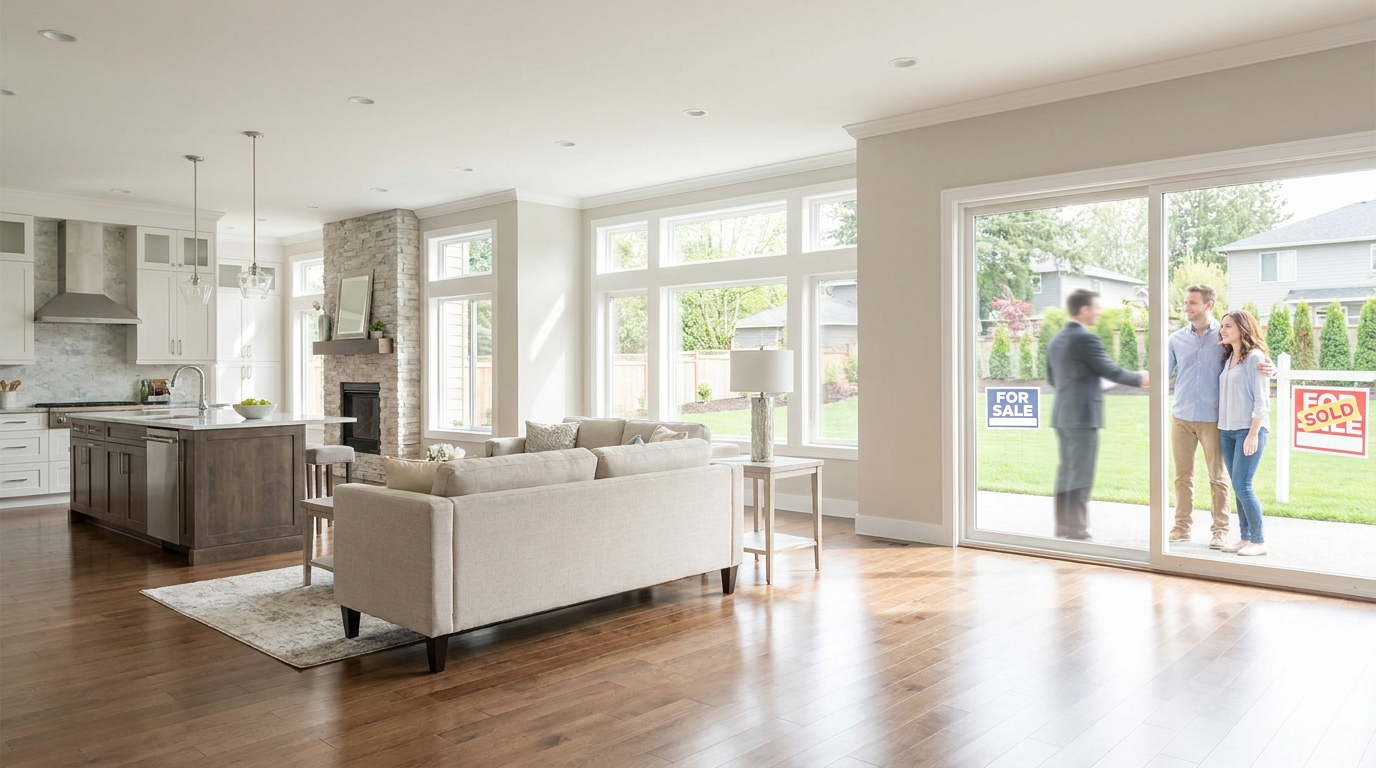
Want to sell for more without overspending? The secret is choosing improvements that buyers notice, appraisers can support, and your local market rewards. The best improvements for resale value aren’t always the flashiest—they’re the ones that reduce buyer objections, modernize key spaces, and show your home has been well maintained.
This guide breaks down high-ROI home upgrades, smart “pre-listing” repairs, and projects that often don’t pay back. You’ll also get a practical way to prioritize improvements based on your timeline and neighborhood comps—so you can invest with confidence.
How to Choose Improvements That Actually Add Resale Value
Resale value comes from a combination of buyer demand, condition, and market expectations. A project that performs well in one neighborhood might be unnecessary—or even a negative—in another.
The 3 factors that determine ROI
- Market fit: Does the upgrade align with what comparable homes nearby already offer?
- Visibility: Improvements buyers can see (kitchens, bathrooms, flooring, paint) tend to influence offers more than hidden upgrades.
- Risk reduction: Fixes that remove inspection issues (roof, HVAC, plumbing leaks, electrical hazards) reduce renegotiations and deal fallout.
A simple prioritization framework (use this before you spend)
- Start with “must-fix” items that could appear on an inspection report (active leaks, unsafe wiring, mold, roof end-of-life).
- Upgrade the “decision rooms”: kitchen, primary bath, main living area, and curb appeal.
- Finish with low-cost polish: lighting, hardware, paint, and staging-friendly tweaks.
Tip: If you’re unsure what your area expects, review recent sold listings in your neighborhood for patterns (e.g., quartz counters, updated lighting, neutral paint, modern fixtures). Matching the standard often beats overbuilding.
Best Improvements for Resale Value (High-Impact, Buyer-Approved)
These upgrades consistently help homes show better, photograph better, and attract stronger offers—especially when executed with a clean, modern, neutral look.
1) Kitchens: Focus on “updated” over “fully remodeled”
Kitchens sell homes, but full renovations can be expensive. The best resale strategy is often a targeted refresh that makes the kitchen feel current.
- Paint or refinish cabinets (and replace dated pulls/handles).
- Upgrade countertops when they look worn or outdated (durable, neutral options win).
- Replace old faucets with a modern, quality fixture.
- Update lighting (flush mounts, pendants, under-cabinet lighting where practical).
- Stainless or matching appliances if current ones are mismatched or visibly aged.
Practical tip: If cabinet boxes are solid, a cabinet refresh plus new counters often delivers the “new kitchen” feel at a fraction of the cost.
2) Bathrooms: Small changes that feel like a big upgrade
Buyers read bathrooms as a signal of overall maintenance. You don’t need luxury finishes; you need clean, bright, and leak-free.
- Replace vanity lights and mirrors for an instant modern look.
- Swap out faucets and showerheads (consistent finishes: matte black, brushed nickel, or chrome).
- Re-caulk and re-grout to make tile look newer and cleaner.
- Install a new vanity if the existing one is swollen, dated, or too small.
- Improve ventilation (quiet bath fan) to reduce moisture and odor concerns.
Practical tip: A bathroom that feels “hotel clean” often outperforms one with trendy but polarizing design choices.
3) Curb appeal: The ROI multiplier
Curb appeal doesn’t just help offers—it increases showings by improving click-through on listing photos. Think of it as marketing performance for your home.
- Paint the front door (or replace it if damaged) and update house numbers.
- Refresh landscaping: trimmed edges, mulch, a few structured plants.
- Power wash siding, walkways, and driveway.
- Upgrade exterior lighting for a modern, welcoming look.
- Repair or paint fencing and touch up visible exterior trim.
Practical tip: If you do nothing else, make sure the entry is clean, bright, and inviting—buyers decide how they feel about your home before they walk inside.
4) Paint and flooring: The fastest way to modernize
Fresh paint and consistent flooring can make a home feel larger, cleaner, and more move-in-ready—three traits that directly influence sale price and time on market.
- Interior paint in neutral tones (avoid bold accent walls unless they’re truly tasteful and current).
- Replace worn carpet or deep-clean if replacement isn’t feasible.
- Refinish hardwoods when scratches or discoloration stand out.
- Use consistent flooring on main levels to reduce visual “chop.”
Practical tip: Buyers often overestimate the cost of flooring fixes—so visible wear can lead to outsized price reductions during negotiation.
5) Energy efficiency and smart home upgrades buyers understand
Efficiency improvements can boost appeal, especially when they’re easy to verify and explain. Focus on upgrades buyers recognize as lower future costs.
- Programmable or smart thermostat (simple, affordable, high perceived value).
- LED lighting throughout for brightness and efficiency.
- Weatherstripping and door sweeps to reduce drafts.
- Insulation improvements where accessible (attic insulation is a common win).
Practical tip: Keep a short “home efficiency highlights” list for buyers (utility savings, improvements made, warranty info). Clarity sells.
Don’t Skip These: Repairs and Maintenance That Protect Your Sale Price
Some of the best improvements for resale value aren’t glamorous—they simply prevent price cuts and tense negotiations. Buyers routinely use inspection findings to request credits, and unresolved issues can also scare off risk-averse buyers.
High-priority pre-listing fixes
- Roof issues: missing shingles, active leaks, visible deterioration.
- HVAC performance: service records, clean filters, functional heating/cooling.
- Plumbing leaks: under sinks, around toilets, water heater seepage.
- Electrical safety: non-functioning outlets, exposed wiring, missing covers.
- Water intrusion: stains, musty smells, poor grading, clogged gutters.
Quick wins that reduce buyer objections
- Fix sticky doors and windows (buyers interpret this as foundation or moisture concerns).
- Replace broken switches/plates and mismatched bulbs.
- Repair drywall dings and baseboard damage.
- Address odors (pets, smoke, moisture). Clean + ventilation beats heavy fragrances.
- Professional deep clean before photos and showings.
Practical tip: A well-documented maintenance trail (receipts, warranties, service dates) builds trust and can reduce aggressive buyer requests later.
Improvements to Avoid (or Handle Carefully) If You Want the Best ROI
Some projects are expensive, highly personal, or unlikely to return what you put in—especially if they push your home above the local price ceiling.
Common low-ROI or risky upgrades
- Overly custom renovations (bold tile, niche built-ins, statement wallpaper that narrows buyer appeal).
- Luxury upgrades in non-luxury neighborhoods (overbuilding makes appraisals harder).
- Converting bedrooms into offices/gyms if it reduces official bedroom count.
- High-maintenance landscaping that looks costly to upkeep.
- Swimming pools in markets where they aren’t strongly preferred (they can be polarizing).
When a “big project” makes sense
Sometimes a larger renovation is worth it—usually when your home is significantly behind local comps or has functional obsolescence (e.g., a tiny, closed-off kitchen that’s a major buyer turnoff). If you’re considering a big project, confirm:
- You won’t exceed your neighborhood’s likely appraisal range.
- The layout/function improves in a way buyers broadly value.
- The timeline won’t delay your listing into a slower season.
A Practical Pre-Listing Upgrade Plan (30–45 Days)
If you want a realistic roadmap, here’s a seller-friendly approach that balances impact, cost, and speed.
Week 1: Assess, prioritize, and budget
- Walk every room with a “buyer mindset” checklist: condition, smell, light, flooring, paint, and fixtures.
- Gather quotes for your top 3 improvements and top 3 repairs.
- Set a budget cap tied to your likely sale price range.
Weeks 2–3: Fix the deal-killers
- Address leaks, HVAC issues, electrical concerns, and water intrusion.
- Complete paint touch-ups and flooring repairs/replacements.
Weeks 4–5: Add “photo-ready” polish
- Update lighting, hardware, and bathroom accessories.
- Boost curb appeal (landscaping, power wash, front entry refresh).
- Deep clean and declutter for brighter rooms and better photos.
Practical tip: If you’re selling soon, prioritize improvements that are visible in listing photos and first showings. The goal is to create competitive pressure early.
Conclusion: Invest Where Buyers Pay Attention
The best improvements for resale value come down to a clear strategy: fix what creates risk, refresh what buyers see first, and avoid overbuilding for your neighborhood. When your home looks move-in-ready and well maintained, you attract more buyers, reduce negotiation friction, and give yourself a stronger position on price.
Ready to choose the right upgrades and sell with confidence? AIRE helps you make smarter decisions with AI-powered pricing insights, listing optimization, document guidance, and step-by-step tools to manage your sale independently—so you can focus your budget on improvements that move the needle.