
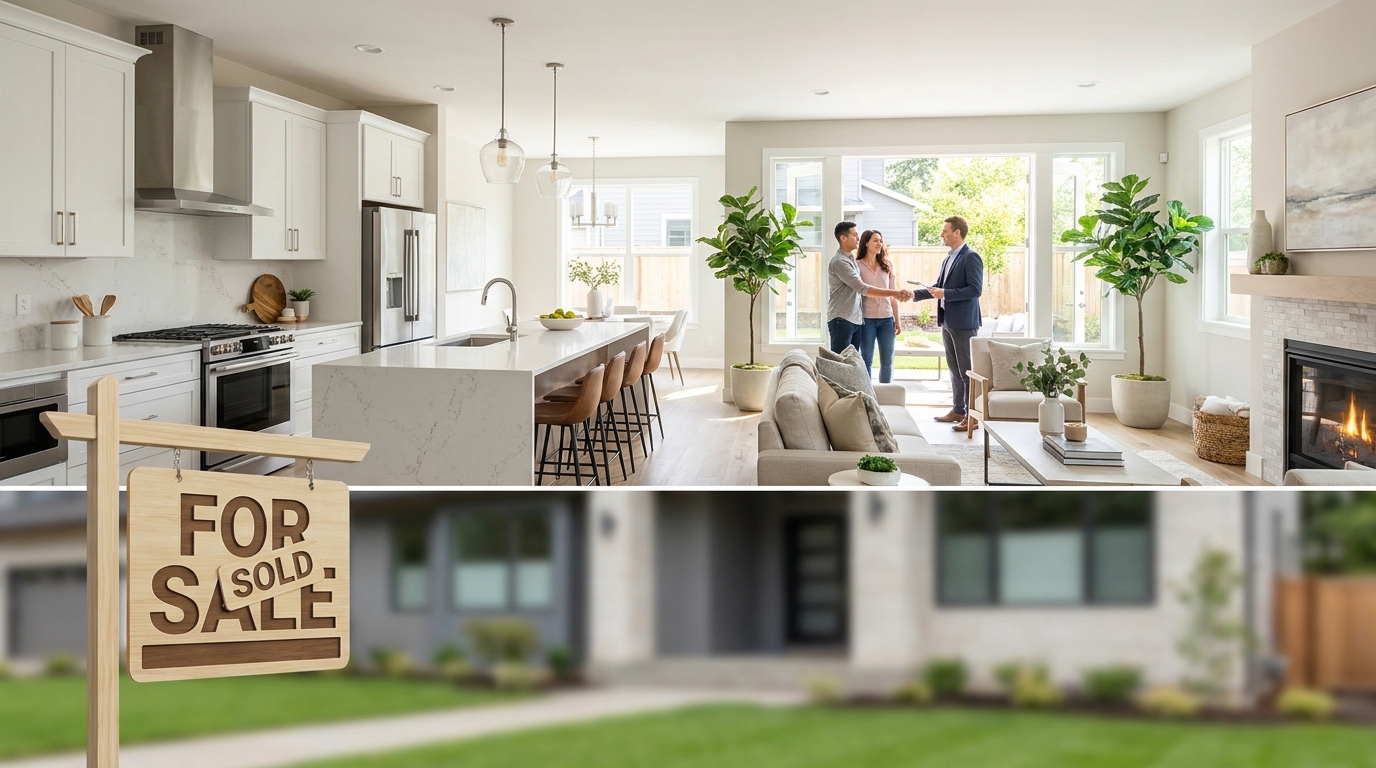
Want a higher sale price without overspending? The secret isn’t doing more renovations—it’s doing the right ones. Buyers pay a premium for homes that feel well-maintained, efficient, and move-in ready. Meanwhile, some costly projects (think luxury, highly personal finishes) can actually shrink your buyer pool and delay your sale.
This guide breaks down the best improvements for resale value—the upgrades that tend to deliver strong returns, attract more offers, and help your listing stand out. You’ll also get a practical way to prioritize projects based on your timeline, budget, and local market.
How to Choose Improvements That Actually Increase Resale Value
Resale value isn’t just about the price you hope to get—it’s about what buyers will pay relative to comparable homes (your “comps”), and how quickly your home sells at that price point. The best improvements typically do three things:
- Reduce buyer objections (e.g., old roof, outdated electrical, worn flooring)
- Increase perceived quality (fresh paint, modern lighting, cohesive finishes)
- Improve efficiency and comfort (insulation, smart thermostats, HVAC maintenance)
Actionable tip: Before you spend, list your home’s top 5 “buyer friction points.” These are the items most likely to trigger low offers or requests for credits during inspection.
ROI vs. Resale Value: What to Focus On
ROI (return on investment) is the portion of your spend you may recoup at sale. But the highest ROI upgrades aren’t always the ones that add the most dollars—they’re often the ones that:
- Make your home more marketable (fewer days on market)
- Protect your pricing power (fewer concessions)
- Support a clean appraisal story (condition and quality align with price)
If you’re selling soon, prioritize projects that are visible, verifiable, and broadly appealing.
High-Impact Improvements Buyers Notice Immediately
These upgrades consistently help homes show better online and in person—often for reasonable cost and manageable timelines.
1) Curb Appeal That Signals “Well Cared For”
First impressions start at the curb and continue through listing photos. Curb appeal projects tend to be some of the best improvements for resale value because they increase showings and reduce negative assumptions.
- Refresh landscaping: trim overgrowth, add mulch, edge beds, remove dead plants
- Power wash: siding, driveway, walkway, and patio
- Front door upgrade: repaint or replace, add modern hardware
- Exterior lighting: updated fixtures + brighter (warm) bulbs for evening showings
- House numbers and mailbox: small details that look “new” in photos
Practical tip: Take a front-of-house photo from the street. If anything looks dingy, uneven, or cluttered, buyers will notice it before they read the description.
2) Paint: The Fastest Way to Modernize
Fresh interior paint is one of the most cost-effective ways to increase appeal. It also helps rooms feel cleaner, brighter, and more consistent—especially in open floor plans.
- Choose neutral, modern tones (think warm whites, soft greige, light taupe)
- Patch nail holes, fix scuffs, and repaint baseboards for a “finished” look
- Avoid bold accent walls unless they’re extremely tasteful and widely appealing
Pro move: Match your trim and wall undertones so the home reads cohesive in natural light.
3) Lighting and Hardware: Small Swaps, Big Perception Shift
Outdated fixtures can make an otherwise well-maintained home feel stuck in the past. Updating lighting and hardware is relatively affordable and highly visible.
- Replace dated chandeliers or “boob lights” with simple, modern fixtures
- Use consistent finishes (e.g., matte black, brushed nickel) throughout key areas
- Upgrade cabinet pulls, door handles, and faucets where they look worn
Practical tip: In photos, bright, even lighting makes spaces look larger. Aim for layered light: overhead + lamps + under-cabinet lighting where relevant.
Kitchen, Bathrooms, and Floors: The “Value Trifecta”
If buyers could choose where their money goes, most would pick kitchens, bathrooms, and floors. You don’t necessarily need a full remodel—strategic, mid-range updates often deliver the best payoff.
4) Kitchen Updates Without a Full Remodel
Kitchens sell homes, but full renovations can be expensive and time-consuming. Focus on upgrades that modernize the look and reduce “I’ll need to redo this” vibes.
- Paint or refinish cabinets (replace doors only if they’re damaged or very dated)
- Upgrade countertops where budget allows (quartz is popular for durability and clean style)
- Swap the backsplash to a simple subway tile or modern pattern
- Update the faucet and consider an undermount sink if it fits the countertop plan
- Replace old appliances if mismatched or near end-of-life (stainless or cohesive finishes help)
Practical tip: If your cabinets are structurally solid, refacing or painting is often a smarter resale move than a total tear-out.
5) Bathrooms: Clean, Bright, and Low-Maintenance Wins
Buyers judge bathrooms on cleanliness and condition. A bathroom that feels fresh and low-maintenance can meaningfully lift perceived home value.
- Replace cracked caulk and re-grout where discoloration stands out
- Install a modern vanity light and mirror
- Update faucets and showerheads (water-efficient models can be a bonus)
- Replace worn toilet seats; consider a new toilet if stained or outdated
- Improve ventilation (quiet fan) to prevent moisture issues
Practical tip: Avoid highly personalized tile patterns. Classic and neutral sells to more buyers.
6) Flooring: Consistency Beats Luxury
Floors are one of the first things buyers see—and one of the most expensive line items they imagine replacing. The goal is a consistent, move-in-ready look.
- Refinish hardwood if it’s in decent shape (often a strong resale boost)
- Replace old carpet, especially if stained or odorous
- Use durable, mid-range flooring in high-traffic areas
- Minimize transitions and mixed materials when possible
Practical tip: If you can’t replace everything, prioritize the main living areas and primary bedroom—buyers anchor value there.
Maintenance and “Invisible” Upgrades That Protect Your Price
Some of the most valuable improvements don’t look glamorous—but they can prevent inspection surprises, reduce negotiation leverage for buyers, and protect your sale timeline.
7) Roof, HVAC, and Major Systems: De-Risk the Deal
Buyers may accept dated finishes, but they rarely want to inherit big-ticket system problems. If your roof or HVAC is near the end of its expected life, it can trigger price reductions or credits.
- Service HVAC and keep records (filters, tune-ups, repairs)
- Fix active leaks immediately (roof, plumbing, windows)
- Address electrical and plumbing red flags (improper outlets, slow drains, corrosion)
- Consider a pre-listing inspection to identify negotiation risks early
Practical tip: Documentation matters. Receipts and service records help buyers feel confident and reduce back-and-forth requests.
8) Energy Efficiency Improvements Buyers Appreciate
Energy costs and comfort are top-of-mind. Efficiency upgrades can increase appeal and make your home stand out—especially in climates with hot summers or cold winters.
- Add or upgrade insulation in attic spaces
- Seal drafts: weatherstripping, door sweeps, and window caulk
- Install a smart thermostat and ensure HVAC is properly balanced
- Use LED lighting throughout
Practical tip: If you’ve made efficiency upgrades, highlight them clearly in your listing description—buyers often miss them during a quick walkthrough.
9) Windows: Replace Only When It’s Clearly Justified
New windows can be expensive, and the ROI varies widely by market and home condition. Consider replacement if you have obvious issues:
- Broken seals (fogging), difficult operation, or safety concerns
- Noticeable drafts or water intrusion
- Extremely outdated appearance that hurts curb appeal
Practical tip: If replacement isn’t in budget, focus on repairs, cleaning, re-caulking, and ensuring screens/hardware work smoothly.
What Not to Do: Improvements That Often Underperform
Some projects are enjoyable for living—but don’t reliably increase resale value, especially if they’re expensive or too customized.
- Over-customized luxury finishes that narrow buyer appeal
- Converting bedrooms into niche spaces (e.g., removing a bedroom for a bigger closet)
- Highly specific design trends that may date quickly
- Major additions without comp support in your neighborhood
- Overbuilding for the area (upgrading far beyond nearby homes’ quality level)
Practical tip: Your neighborhood sets a “ceiling.” The smartest upgrades help you reach it—not blow past it.
A Simple Upgrade Plan: Prioritize Like a Pro (In 5 Steps)
If you’re unsure where to start, use this framework to choose the best improvements for resale value based on impact and feasibility:
- Start with safety and function: leaks, electrical issues, roof concerns, HVAC performance.
- Then fix visual negatives: stained carpets, peeling paint, outdated lighting, cluttered landscaping.
- Choose 1 “hero” upgrade: usually kitchen refresh, bathroom refresh, or flooring consistency—whichever is most outdated.
- Make it photo-ready: bright lighting, clean lines, neutral paint, simple staging.
- Document everything: before/after photos, receipts, permits (if applicable), service records.
Practical tip: If you’re on a tight timeline, prioritize projects that finish fast and show well online—because your listing photos do a lot of the selling work.
Conclusion: Upgrade Smarter, Sell Stronger
The best improvements for resale value aren’t about chasing the most expensive remodel—they’re about making buyers feel confident, removing objections, and presenting a home that looks modern, clean, and well maintained. Curb appeal, paint, lighting, targeted kitchen and bathroom updates, and major system readiness are consistently strong plays—especially when they align with your local comps.
Ready to plan your upgrades with real market data? AIRE helps you price strategically, analyze comparable sales, and build a smarter sell plan using AI—so you can decide which improvements are worth it, present your home confidently, and manage your transaction independently from start to finish.
Call to action: Use AIRE to evaluate your home’s current position in the market, identify the highest-impact improvements for your neighborhood, and create a sell-ready checklist that supports a faster, higher-confidence closing.