
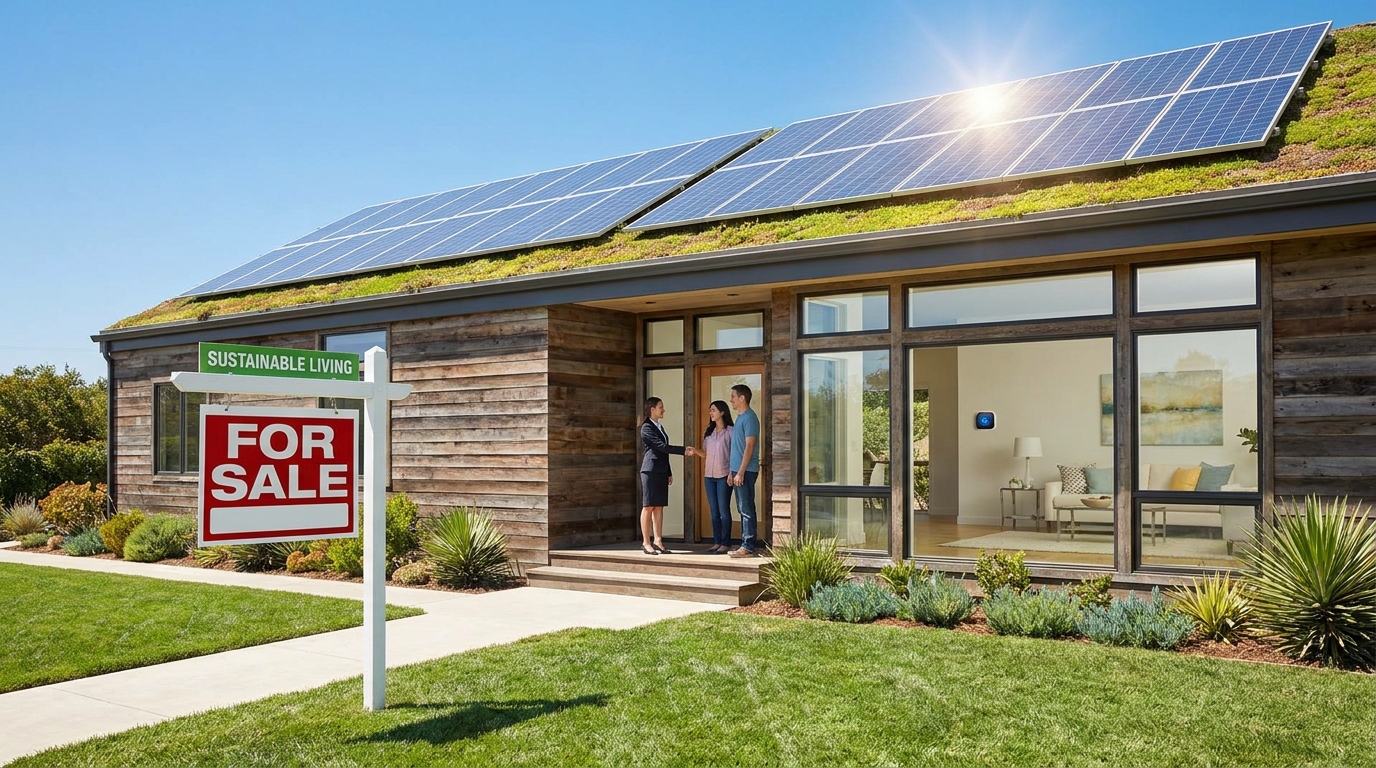
Earth Day is more than a feel-good moment—it’s a high-intent shopping signal. Buyers increasingly filter homes by monthly operating cost, comfort, resilience, and environmental impact. If you’re selling, sustainable home features can help your listing stand out, justify your price, and reduce negotiation friction by backing claims with data.
Below is a practical, seller-focused guide to the Earth Day sustainable home features that resonate with today’s buyers—plus how to document and market them clearly so you can capture value without relying on traditional agents.
Why Earth Day Sustainable Home Features Matter When You Sell
Energy and water costs are highly visible monthly expenses, and buyers often underwrite them like part of the mortgage. That makes efficiency and renewables a value story—not just a lifestyle story. The best sustainable features also improve comfort (fewer drafts, better air quality), resilience (backup power, heat-wave readiness), and predictability (lower utility volatility).
Seller takeaway: You don’t need every green upgrade. You need a short list of improvements you can prove, plus clear documentation that removes uncertainty for buyers and lenders.
Quick checklist: what buyers look for
- Lower monthly utility bills (electric, gas, water)
- Comfort and indoor air quality (consistent temperatures, ventilation, filtration)
- Low-maintenance durability (long-life roofs, native landscaping)
- Smart controls that optimize usage without hassle
- Proof: permits, receipts, warranties, and utility data
High-Impact Energy Efficiency Upgrades (Often the Best ROI)
If you do only one category of improvements before listing, prioritize efficiency. Efficiency upgrades tend to be more universally appealing than specialty features because every buyer benefits—regardless of lifestyle or vehicle choice.
1) Insulation and air sealing
Insulation and air sealing are “invisible upgrades,” which means they’re easy to overlook unless you market them well. But buyers feel the results immediately: fewer drafts, quieter rooms, and more stable indoor temperatures.
- Attic insulation (often the biggest comfort win)
- Air sealing around penetrations, recessed lights, and top plates
- Weatherstripping doors and sealing gaps around windows
Practical selling tip: If you have a home energy audit, include the summary and any “before/after” blower door results. If not, gather invoices and specify R-values (e.g., “Attic upgraded to R-49 in 2023”).
2) High-efficiency HVAC and heat pumps
Modern heat pumps provide efficient heating and cooling in one system and can be a major buyer draw—especially in regions with hot summers or where electrification is trending. If you’ve upgraded HVAC recently, highlight:
- System type (heat pump, variable-speed, dual-fuel, etc.)
- Efficiency ratings (SEER2/HSPF2 where available)
- Age, warranty transferability, and maintenance history
Practical selling tip: Provide a one-page “mechanical systems sheet” with install dates, contractors, and model numbers. This reduces buyer uncertainty and can speed up inspection negotiations.
3) High-performance windows (or targeted improvements)
Full window replacement can be expensive, but targeted improvements still matter:
- Double- or triple-pane windows where installed
- Low-E coatings and quality frames
- Exterior shading (awnings, shutters, solar screens) for heat control
Practical selling tip: If you didn’t replace every window, be transparent. Buyers trust clear scope: “Front-facing windows replaced in 2022; remainder serviced and re-sealed in 2024.”
4) Smart thermostats and energy monitoring
Smart thermostats, smart vents (used carefully), and whole-home energy monitors can demonstrate savings and modernize your listing. The key is to connect them to outcomes.
- Smart thermostat with occupancy schedules
- Energy monitor to identify heavy loads
- Smart water shutoff (also a resilience upgrade)
Practical selling tip: Export a few months of usage trends to show buyers. Even a simple chart can strengthen your “lower bills” claim.
Renewable Energy and Electrification Features Buyers Notice
Renewables and electrification can elevate your home into the “future-ready” category. These features often create strong emotional appeal, but sellers get the best results when they present clear numbers, maintenance details, and transferable warranties.
1) Solar panels (PV): how to present them the right way
Solar is one of the most recognized Earth Day sustainable home features, but it can confuse buyers if details are missing. Prepare answers to these questions:
- Ownership: owned outright, financed, or leased?
- System size: kW capacity and estimated annual production
- Utility arrangement: net metering terms (if applicable)
- Warranty info: panel, inverter, workmanship; transfer steps
- Proof: production screenshots and the last 12 months of bills
Practical selling tip: Owned solar is typically simplest to value. If the system is financed or leased, be upfront and include payoff/transfer options early to avoid delays during escrow.
2) Battery storage and backup power
Battery systems can be a premium differentiator in markets impacted by outages, storms, or grid constraints. They also pair well with solar and time-of-use rates.
- Battery capacity (kWh) and critical-load coverage
- Backup behavior (automatic transfer vs. manual)
- Expected runtime for essentials (fridge, lights, Wi-Fi)
Practical selling tip: Create a simple “What stays powered?” list. Buyers love clarity more than technical jargon.
3) EV charging readiness
Even buyers without an electric vehicle often value EV readiness because it signals modern electrical capacity and future flexibility.
- Dedicated 240V circuit in garage/carport
- Panel capacity and recent electrical upgrades
- Charger type (hardwired vs. plug-in) and whether it conveys
Practical selling tip: If you don’t have a charger, consider adding the wiring (a “stub-out”). Market it as “EV-ready” with amperage and breaker details.
Water-Smart and Climate-Resilient Features That Reduce Buyer Risk
Sustainability isn’t only about energy. Water savings and resilience upgrades can be highly persuasive because they reduce long-term risk and maintenance surprises.
1) Low-flow fixtures and efficient appliances
These are relatively low-cost upgrades that are easy to communicate and easy for buyers to appreciate.
- WaterSense toilets and faucets
- Efficient dishwasher and front-load washer
- Hot water recirculation (comfort + water savings)
Practical selling tip: List model numbers for major appliances and link to manufacturer efficiency specs in your disclosures packet.
2) Drought-tolerant landscaping and smart irrigation
Curb appeal matters, and so does upkeep. Native or climate-adapted landscaping can reduce water bills and maintenance time—two selling points that play well in photos and showings.
- Native plants and mulching to retain moisture
- Drip irrigation instead of spray
- Smart irrigation controller with weather-based adjustments
Practical selling tip: Include a simple care guide: “Seasonal watering schedule + plant list.” Buyers feel more confident maintaining what they’re buying.
3) Stormwater management and drainage
Drainage is a quiet sustainability win because it protects the home and the land. It also reduces inspection red flags.
- Rain barrels or cisterns (where appropriate)
- Permeable pavers or improved grading
- Gutters/downspouts directed away from foundation
Practical selling tip: If you’ve installed drainage improvements, document them with receipts and “after” photos—buyers and inspectors value evidence.
4) Indoor air quality (IAQ): the sustainability feature buyers can feel
Health-forward sustainability is growing. Better ventilation and filtration can be a standout benefit, especially for families and remote workers.
- ERV/HRV ventilation for fresh air with efficiency
- MERV-rated filtration (confirm HVAC compatibility)
- Low-VOC paints and flooring where updated
Practical selling tip: Avoid vague claims like “non-toxic.” Instead, list products used, dates, and any certifications.
How to Market Sustainable Home Features (So Buyers Actually Pay for Them)
Upgrades add value when buyers understand them quickly. Your job is to translate sustainability into clear benefits and verifiable proof across your listing, photos, and showing materials.
Create a “Green Features” one-pager
Include this as a downloadable PDF and bring printed copies to showings. Keep it scannable:
- Energy: insulation, HVAC, windows, smart thermostat
- Renewables: solar/battery details, warranties, production
- Water: fixtures, irrigation, landscaping
- Resilience: backup power, surge protection, drainage
- Proof: permits, receipts, and the last 12 months of bills (as available)
Use numbers buyers can repeat
- Average monthly utility cost (and what it covers)
- Solar production (kWh/year) and typical bill impact
- Upgrade dates (recent improvements reduce perceived risk)
- Warranty transfer notes (reduces buyer friction)
Update your listing wording (examples you can copy)
- Instead of: “Energy efficient home.”
Use: “Attic upgraded to R-49 insulation (2023) + air sealing for improved comfort and lower heating/cooling demand.” - Instead of: “Solar panels included.”
Use: “Owned 6.4kW solar PV with monitoring app, transferable warranties, and documented 12-month production history.” - Instead of: “Drought-tolerant yard.”
Use: “Native, low-water landscaping with drip irrigation and smart controller—designed for lower water use and easy maintenance.”
Earth Day Pre-Listing Action Plan (Fast, Practical, Seller-Friendly)
If you’re listing soon and want sustainability wins without a major remodel, focus on improvements that photograph well and reduce buyer questions.
- Gather documentation: permits, invoices, warranties, and utility bills.
- Do quick efficiency fixes: LED lighting, weatherstripping, smart thermostat setup, HVAC filter replacement.
- Service big systems: HVAC tune-up; clean solar panels if applicable; confirm monitoring works.
- Boost curb appeal sustainably: mulch, native plant refresh, drip line repair, smart irrigation settings.
- Create your Green Features one-pager and add it to your listing package.
Conclusion: Turn Sustainability Into a Clear Selling Advantage
Earth Day sustainable home features sell best when they’re presented as measurable comfort, lower monthly costs, and reduced risk. Focus on efficiency first, document everything, and market upgrades in buyer-friendly language with proof.
Ready to list with confidence? AIRE helps you price strategically, generate data-driven listing content, organize disclosures and upgrade documentation, and manage your sale from start to finish—so you can market your sustainable home features clearly and close efficiently, on your terms.