
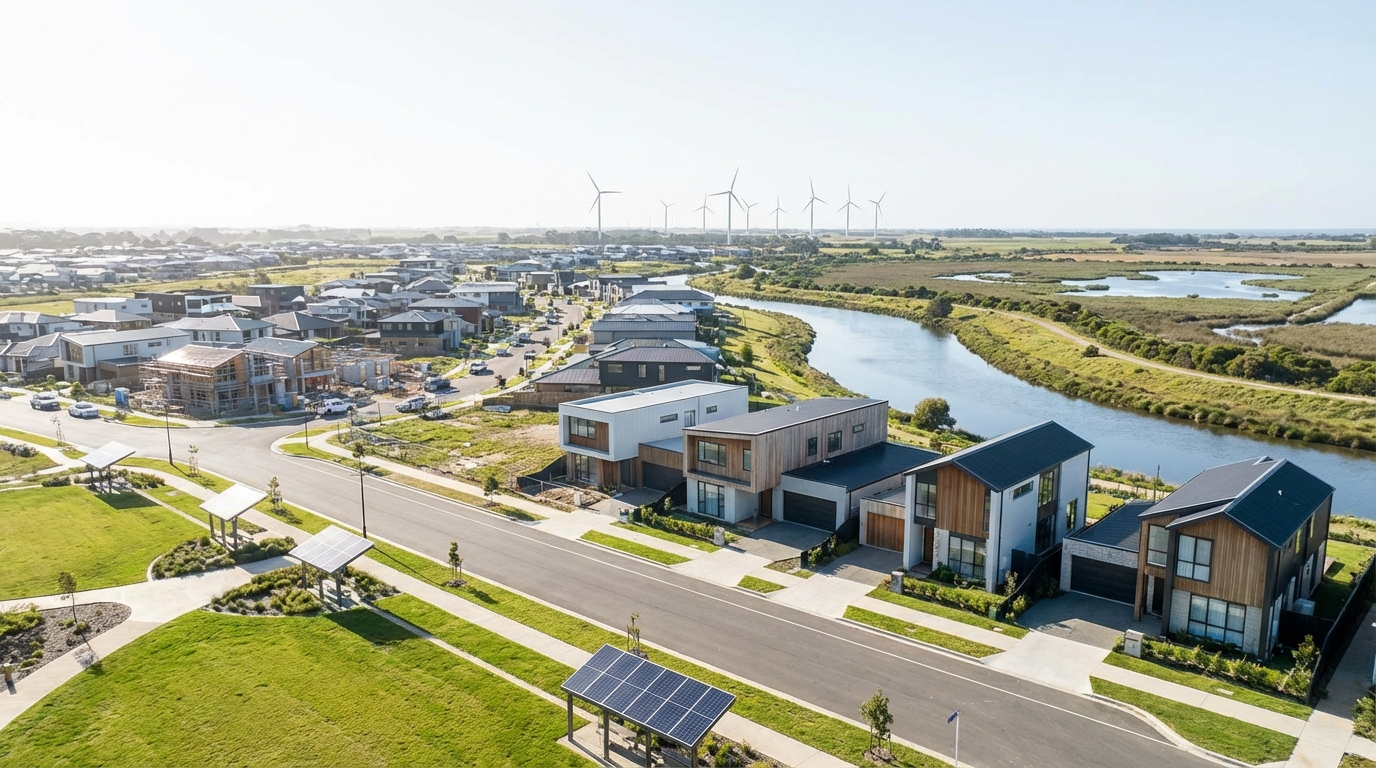
Environmental factors are no longer “nice-to-know” details in real estate—they’re pricing signals. From flood maps and wildfire smoke to noise pollution and local water restrictions, environmental conditions can shape what buyers will pay, what insurers will cover, and how quickly a property sells. As climate patterns shift and cities update regulations, these variables are increasingly visible in appraisals, disclosures, and buyer decision-making.
This guide breaks down the most important environmental factors affecting real estate, how they influence property values and transaction timelines, and the practical steps you can take to reduce surprises—whether you’re buying, selling, or investing.
Why Environmental Factors Matter More Than Ever
Historically, environmental concerns were often treated as local issues—think a home near a noisy highway or an older property with potential contamination. Today, buyers and sellers face a broader set of risks that can affect:
- Home value and appreciation (demand shifts away from high-risk areas)
- Insurance availability and premiums (especially in coastal, wildfire, and storm-prone regions)
- Financing outcomes (lenders increasingly evaluate climate and hazard exposure)
- Repair and maintenance costs (heat, moisture, and severe weather accelerate wear)
- Time on market (buyers may hesitate when disclosures or maps raise red flags)
Industry-news takeaway: Environmental due diligence is moving from “optional research” to a core part of modern real estate decision-making. The best outcomes go to buyers and sellers who can quantify risk, document mitigation, and price accordingly.
Climate and Natural Hazard Risks That Influence Property Value
Climate-related hazards are among the most impactful environmental factors affecting real estate because they can change both the cost to own and the ability to insure a property. Even when a home hasn’t experienced damage, perceived risk can influence demand.
Flooding and Storm Surge
Flood risk isn’t limited to beachfront properties. Inland flooding from heavy rainfall, river overflow, and poor drainage can be just as disruptive. Properties in higher-risk areas may face:
- Higher insurance premiums or mandatory coverage requirements
- Resale friction when buyers see flood zone designations or past claims
- Renovation limits and permitting requirements for certain improvements
Actionable tip: Don’t rely on a single map. Compare multiple sources (local floodplain maps, insurer notes, municipal drainage projects) and ask for prior flood-related repairs and invoices.
Wildfire Risk and Smoke Exposure
Wildfire risk affects more than just homes near forests. Smoke events can reduce air quality and influence lifestyle decisions, while insurers may tighten underwriting in high-risk zones. Key value drivers include:
- Defensible space (vegetation management, spacing, hardscaping)
- Building materials (Class A roof, ember-resistant vents, enclosed eaves)
- Community-level mitigation (fire breaks, local preparedness)
Actionable tip: If you’re selling, document wildfire mitigation upgrades with receipts and photos. If you’re buying, budget for defensible space and verify insurability early.
Extreme Heat and Urban Heat Islands
As heat waves intensify, buyers pay closer attention to cooling costs, tree canopy, and building efficiency. Extreme heat can impact:
- Utility bills (HVAC load and peak pricing)
- Comfort and health (especially for older occupants)
- Long-term durability (roofing, seals, and exterior finishes)
Actionable tip: Look for measurable indicators such as insulation levels, window ratings, HVAC age, roof reflectivity, and shade coverage. Energy-efficient upgrades can support pricing and reduce buyer objections.
Hurricanes, Wind, and Hail
Wind and hail events can drive up maintenance costs and influence insurance pricing. Homes with documented resilience features may stand out:
- Impact-rated windows/doors
- Hurricane straps and roof tie-downs
- Roof age and material (often a major underwriting factor)
Local Environmental Quality: The “Livability” Factors Buyers Feel
Not all environmental drivers are catastrophic hazards. Many are day-to-day quality-of-life issues that shape buyer perception and, ultimately, offer prices. These factors may not always show up clearly in public records, which makes proactive research valuable.
Air Quality and Pollution
Air quality can affect demand, especially in regions near industrial corridors, ports, or areas with recurring wildfire smoke. Buyers increasingly consider:
- Respiratory and health concerns
- Outdoor lifestyle limitations
- Home filtration needs (HVAC filters, whole-home systems)
Actionable tip: When comparing neighborhoods, review historical air quality trends (not just a single day’s reading). If you’re selling, highlight high-efficiency HVAC, sealed ductwork, and filtration upgrades.
Water Quality, Water Scarcity, and Drought Restrictions
Water conditions can directly affect costs and property use. In drought-prone areas, water pricing and restrictions may change landscaping norms and buyer preferences. Watch for:
- Local restrictions on irrigation or new pools
- Well water testing needs in rural markets
- Aging pipes and potential contamination issues
Actionable tip: For buyers, request recent water test results (where applicable) and review utility rate trends. For sellers, drought-tolerant landscaping and efficient fixtures can be a marketable feature.
Noise Pollution and Light Pollution
Noise and light can affect sleep, work-from-home comfort, and overall satisfaction—especially near highways, airports, rail lines, nightlife districts, or busy commercial nodes. These issues can influence:
- Buyer pool size (some buyers will opt out immediately)
- Negotiation leverage (requests for discounts or upgrades)
- Perceived neighborhood quality
Actionable tip: Visit at different times (weekday commute, weekend nights). Consider simple mitigations like upgraded windows, fencing, landscaping buffers, and blackout window treatments.
Soil Stability, Erosion, and Sinkholes
In certain regions, soil movement and erosion can create expensive structural risks. Hillside properties may be prized for views but face higher geotechnical complexity. Pay attention to:
- Cracks in foundations, retaining walls, driveways, or stucco
- Drainage patterns around the lot
- Past repairs and engineering reports
Actionable tip: If a property has a history of movement, request the full paper trail: engineering evaluations, permits, scope of work, and warranties.
Regulations, Disclosures, and Insurance: The Transaction Impact
Environmental factors affecting real estate aren’t only physical—they’re also legal and financial. Regulations and insurance decisions can change the math quickly, even when the home looks perfect.
Environmental Disclosures and Liability
Disclosure rules vary by state and locality, but common issues include:
- Known flooding history or water intrusion events
- Past environmental hazards (e.g., contamination, underground storage tanks)
- Nearby land use that could affect air, noise, or water
Practical seller tip: Provide clear, organized documentation upfront (repairs, permits, remediation records). Transparency reduces deal friction and can protect your timeline.
Insurance Availability and Premium Shifts
Insurance is becoming a key gatekeeper in many markets. Rising premiums or reduced availability can impact affordability and buyer qualification. To stay ahead:
- Check insurability early (before you’re deep into negotiations).
- Ask what drives premiums (roof age, defensible space, elevation, materials).
- Quantify mitigation ROI (a roof upgrade may improve coverage terms and resale appeal).
Zoning, Resilience Codes, and Future Development
Municipalities are updating building codes and zoning to address climate resilience—stormwater requirements, elevation rules, heat mitigation standards, and more. These changes can affect renovation plans, rebuild costs, and neighborhood desirability.
Actionable tip: Review planned infrastructure and resilience projects (drainage upgrades, seawalls, road elevation, wildfire mitigation). These can meaningfully change long-term risk and value.
How to Evaluate Environmental Factors Before You Buy or Sell
You don’t need to be an environmental scientist to make smarter decisions. A repeatable checklist can surface red flags and help you price, negotiate, and plan upgrades with confidence.
A Practical Environmental Due Diligence Checklist
- Map the hazards: Flood, wildfire, wind, heat, and local soil issues.
- Verify property-specific history: Ask for claims, repairs, remediation, and permits.
- Assess the lot: Drainage, grading, retaining walls, vegetation proximity.
- Estimate ownership costs: Insurance quotes, utilities, maintenance expectations.
- Review local rules: Water restrictions, building codes, zoning overlays.
- Look at neighborhood signals: Nearby industry, traffic, airport paths, planned projects.
Pricing and Negotiation Moves That Actually Work
- Use documentation as leverage: If risk is present, quantify it (insurance quotes, mitigation estimates) instead of relying on vague concerns.
- Prioritize fixes that reduce risk perception: Roof condition, drainage improvements, defensible space, and energy upgrades often have outsized impact.
- Tell a resilience story when selling: Buyers pay for confidence. Provide a simple summary of upgrades and ongoing maintenance.
Conclusion: Turn Environmental Risk Into an Informed Advantage
Environmental factors affecting real estate can feel intimidating, but they don’t have to be deal-breakers. When you identify the relevant hazards, understand how they influence insurance and financing, and document mitigation clearly, you can make decisions based on data—not fear. In today’s market, the most successful buyers and sellers are the ones who treat environmental context as part of the property’s true financial profile.
Ready to act with confidence? AIRE helps you navigate real estate independently with AI-powered insights—so you can research property risks, organize disclosures and documents, compare scenarios, and move from listing to closing with clarity and control. Explore AIRE to make smarter, faster decisions in a changing market.