
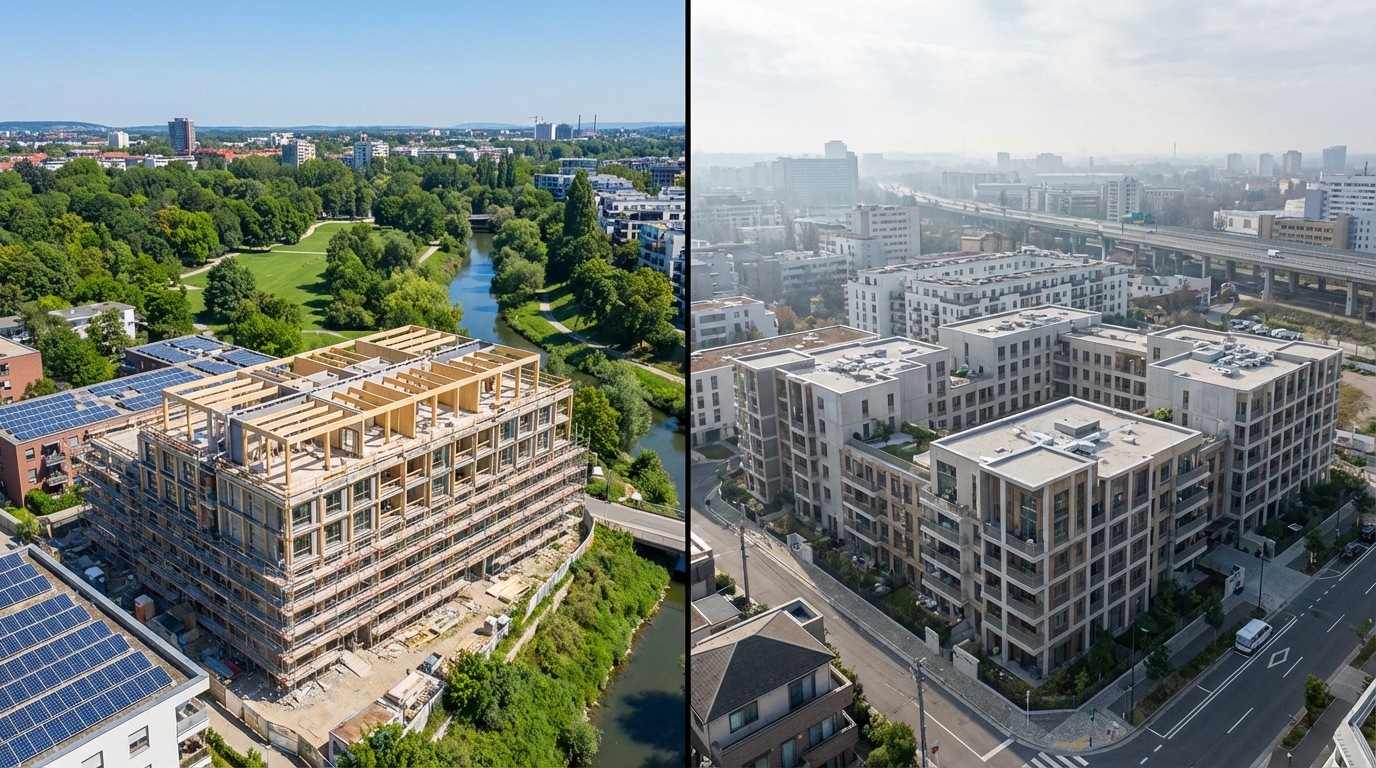
Environmental factors affecting real estate aren’t a distant concern—they’re already reshaping home prices, insurance costs, buyer preferences, and even whether a deal can close. From flood maps to wildfire smoke, from contaminated soil to water restrictions, the “environmental profile” of a property is increasingly tied to its long-term value.
In this industry-news deep dive, you’ll learn the most important environmental variables influencing real estate today, how they show up in pricing and negotiations, and what you can do right now to evaluate risk with more confidence—especially if you’re buying or selling independently.
Why environmental factors matter more than ever
Real estate has always been local, and environmental conditions are among the most local forces of all. What’s changing is how quickly environmental risks are evolving—and how directly they affect core transaction mechanics like:
- Insurance availability and premiums (or non-renewals)
- Financing (lender requirements tied to flood zones, insurability, or property condition)
- Resale value and marketability (buyer demand shifts toward resilient homes)
- Operating costs (energy, water, maintenance, mitigation)
- Disclosure and legal exposure (state/local rules on hazards and prior damage)
Think of environmental due diligence as a parallel track to traditional home inspection: it helps you spot hidden deal-breakers, quantify costs, and negotiate from a position of strength.
Climate and natural hazard risks (and how they move prices)
Climate-driven hazards can change a property’s total cost of ownership in ways that don’t show up in a listing price. These risks are also highly geographic, which means two similar homes can trade at very different price points once buyers price in insurance, repairs, and disruption.
Flooding and sea-level rise
Flood risk is one of the most finance-relevant environmental factors because it can directly impact insurance requirements and mortgage approval. Flooding isn’t only a coastal problem—riverine flooding and intense rainfall events affect inland markets as well.
- Value impact: Higher perceived risk can reduce demand, increase time on market, and raise insurance costs.
- Negotiation impact: Buyers may request credits for flood mitigation (grading, sump pumps, backflow valves, elevating mechanicals) or seek documentation of prior claims.
Wildfires and smoke exposure
Wildfire risk is not just about a home burning—smoke events can create health concerns, increase HVAC filtration needs, and influence how buyers evaluate a location.
- Value impact: Insurance availability can tighten in high-risk areas, pushing some buyers out of the market.
- Practical lens: Defensible space, fire-resistant landscaping, roof material, vent screening, and community-level fire mitigation matter.
Hurricanes, wind, and severe storms
Wind risk affects building materials, roof longevity, and insurance premiums. In storm-prone regions, buyers increasingly look for resilience features like impact-rated windows or updated roof tie-downs.
- Value impact: Homes with documented wind-mitigation features may be more competitive and potentially cheaper to insure.
- Transaction impact: Roof age and condition often become central negotiation points.
Heat, drought, and water scarcity
Extreme heat can raise cooling costs and accelerate wear on roofs and HVAC systems. Drought and water scarcity can influence landscaping rules, well reliability, and long-term community growth patterns.
- Value impact: Buyers may favor efficient homes (insulation, modern windows, heat pumps, smart thermostats) and properties with low-water landscaping.
- Cost impact: Expect higher utility bills and potential water-rate increases in constrained regions.
Earthquakes, landslides, and soil instability
Geologic hazards can be “invisible” until they’re not. Slope stability, soil type, and seismic risk influence retrofit needs and insurance decisions.
- Value impact: Retrofit-ready homes (e.g., bolting and bracing, foundation work) can stand out.
- Due diligence focus: Ask about prior foundation repairs, retaining walls, drainage, and permits.
Environmental quality: pollution, contamination, and health impacts
Beyond natural hazards, environmental factors also include the quality of the air, water, and soil around a property. These conditions can affect livability, resale value, and in some cases, legal liability.
Soil contamination and brownfields
Properties near former industrial sites, gas stations, dry cleaners, or certain agricultural operations may face contamination concerns. For single-family buyers, the risk is often about proximity and historical land use; for investors or developers, it can include cleanup obligations.
- Value impact: Stigma and uncertainty can reduce demand or complicate financing.
- Action step: Review historical land use and consider environmental screening if red flags appear.
Air quality (including wildfire smoke and urban pollution)
Air quality affects daily comfort and health—especially for families with asthma or allergies. Long-term pollution exposure can shape neighborhood desirability, which influences demand.
- Value impact: Areas with consistently poor air quality may experience softer demand relative to cleaner neighboring submarkets.
- Home features that help: High-MERV filtration, sealed ducts, balanced ventilation, and air purification systems.
Water quality, wells, and aging infrastructure
Water quality concerns vary widely: lead service lines, PFAS in certain regions, agricultural runoff, or well-water contamination. Even without contamination, aging municipal infrastructure can mean break risks and special assessments.
- Value impact: Documented water issues can change buyer confidence quickly.
- Action step: If on a well, review recent test results and maintenance history (pump age, filtration, flow rate).
Noise and light pollution
Noise from highways, airports, rail, or entertainment districts can influence pricing—especially in markets where remote work makes “home comfort” a larger priority. Light pollution can also affect perceived quality of life.
- Value impact: Properties with high noise exposure may need pricing concessions or longer marketing timelines.
- Practical lens: Window quality, insulation, landscaping buffers, and building orientation can mitigate impacts.
Regulations, disclosures, and insurance: the deal-making ripple effects
Even when environmental risk is manageable, the rules around it can drive transaction outcomes. Regulatory requirements and insurance realities increasingly determine whether a buyer can comfortably close—and whether a seller can attract offers.
Disclosure requirements (and why they’re expanding)
Many jurisdictions require sellers to disclose known hazards, prior damage, or specific environmental conditions. As climate events become more frequent, disclosure frameworks tend to expand—especially around flood history, fire damage, and water intrusion.
- Seller tip: Keep organized records of repairs, permits, and mitigation work (e.g., new roof, drainage improvements, fire-hardening upgrades).
- Buyer tip: Ask targeted questions about prior claims, remediation, and recurring issues (water intrusion, mold, slope movement).
Zoning, conservation, and building constraints
Environmental overlays—wetlands, coastal zones, protected habitats, or stormwater rules—can affect what you’re allowed to build, remodel, or even landscape.
- Value impact: Limits on expansion (ADUs, additions, pools) can reduce upside for some buyers while preserving neighborhood character for others.
- Action step: Verify any restrictions early if your plan depends on renovations or additions.
Insurance availability as a market signal
Insurance is increasingly a “yes/no” gate for affordability. Premium spikes, large deductibles, or non-renewals can directly reduce the buyer pool. That can feed back into pricing pressure—especially in higher-risk pockets of otherwise strong markets.
Practical tip: Treat insurance quotes like a core due diligence item, not an afterthought. A low purchase price can be offset quickly by high annual premiums.
Practical tips: how to evaluate environmental factors before you buy or sell
You don’t need to be an environmental scientist to make smarter decisions—you need a repeatable process. Use this checklist to reduce surprises and quantify risks in plain dollars and timelines.
For buyers: a 7-step environmental due diligence checklist
- Map the hazards: Review flood risk, fire risk, storm surge, and heat indicators for the address and the surrounding neighborhood.
- Request property-specific history: Ask about prior water intrusion, insurance claims, roof leaks, smoke damage, or foundation repairs.
- Estimate insurance early: Get preliminary quotes (and confirm what’s required) before your contingency windows close.
- Inspect for resilience: During inspection, focus on drainage, roof condition, attic ventilation, HVAC filtration, window quality, and defensible space (where relevant).
- Check local infrastructure: Research sewer backups, stormwater capacity, and any planned public works that could reduce or increase risk.
- Validate water situation: Confirm utility provider, rates, restrictions, and (if applicable) well tests and equipment condition.
- Price the mitigation: Convert risks into a budget—then decide whether to negotiate credits, adjust your offer, or walk away.
For sellers: 6 ways to protect value and reduce buyer objections
- Document mitigation work: Provide receipts and permits for roofing, drainage, sump pumps, retaining walls, or fire-hardening improvements.
- Preempt the insurance question: Be ready to share recent premium ranges and any relevant mitigation credits (where allowed).
- Make low-cost resilience upgrades: Clear gutters, improve grading, add downspout extensions, install better seals/filters—small steps can improve buyer confidence.
- Be transparent on disclosures: Clean, consistent disclosures reduce renegotiations and last-minute deal friction.
- Price with the market’s reality: If risk factors are present, price strategically rather than hoping buyers won’t notice.
- Highlight efficiency and comfort: Energy-efficient systems, updated windows, and smart thermostats matter more in heat-prone markets.
How environmental trends are reshaping the market (industry-news outlook)
Environmental risk is increasingly being priced in through three channels:
- Cost channel: Higher insurance, higher utilities, and higher maintenance reduce affordability.
- Confidence channel: Buyers factor in disruption risk (evacuation, smoke days, flood repairs), changing demand patterns.
- Compliance channel: Growing disclosure rules and stricter building codes can increase transaction complexity—but also reward well-prepared sellers.
At the same time, homes that can prove resilience are gaining a competitive edge. Features like improved drainage, newer roofs, energy efficiency, and defensible space aren’t just “nice-to-haves”—they can become differentiators that protect value when buyers comparison-shop.
Conclusion: turn environmental risk into an informed advantage
Environmental factors affecting real estate are no longer optional reading—they’re a core part of modern due diligence. The good news is that risk becomes far less intimidating when you treat it like any other transaction variable: identify it, quantify it, and negotiate accordingly.
Ready to act with more clarity? AIRE helps you manage your real estate transaction with AI-powered tools—so you can research property risks, organize disclosures and documentation, run step-by-step checklists, and make confident decisions without relying on traditional agents. Explore AIRE to streamline your next buy or sell from first look to closing.