
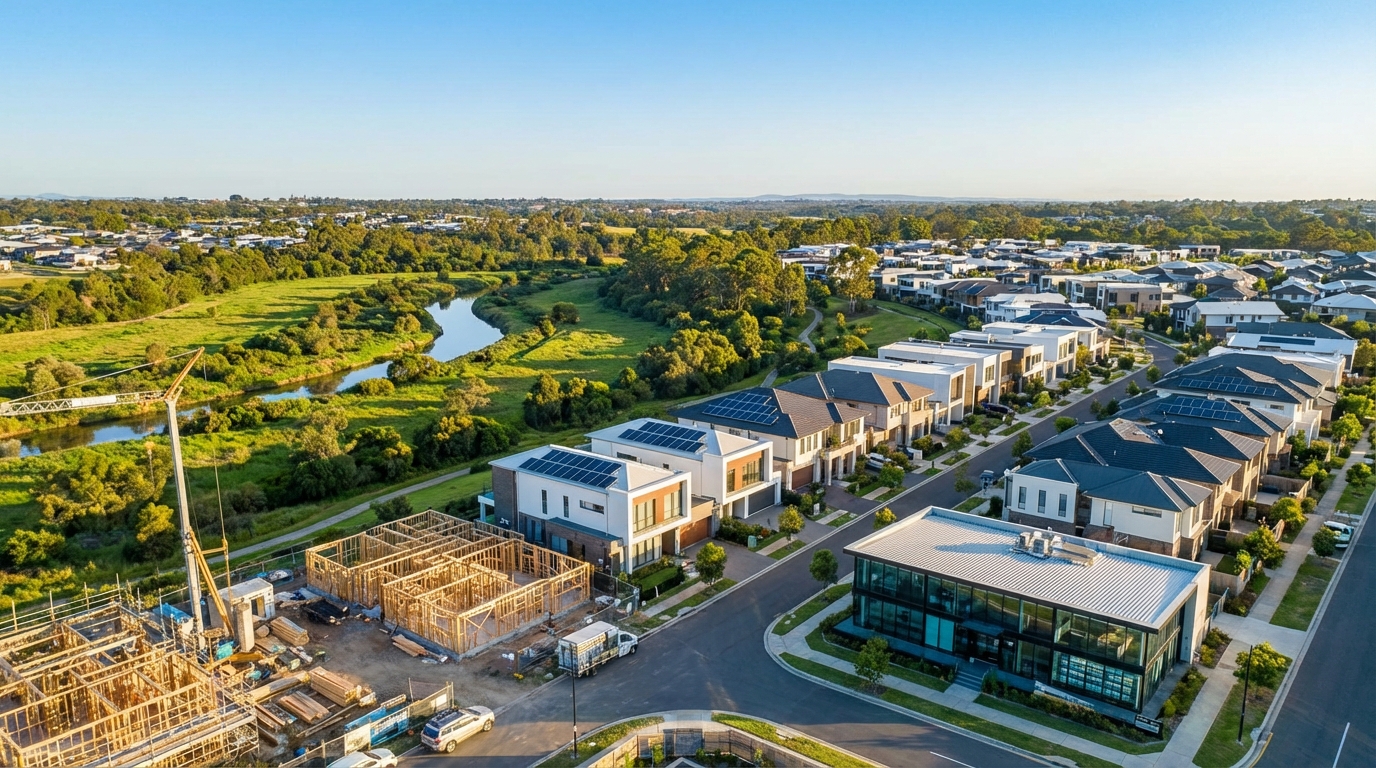
Location has always mattered in real estate—but now environmental factors affecting real estate can matter just as much as square footage, finishes, or school ratings. Climate risk, air quality, water availability, and evolving environmental regulations increasingly shape pricing, insurability, financing, and long-term demand. In some markets, a property’s “environmental profile” can change the deal more than a new kitchen.
This guide breaks down the most important environmental drivers, what they mean for buyers and sellers, and how to evaluate risk with a data-first approach—so you can make confident decisions without guesswork.
Why environmental factors now move real estate markets
Environmental conditions influence real estate in three big ways:
- Value and demand: Buyers price in comfort, safety, and future costs. If an area is perceived as riskier or less livable, demand can soften.
- Insurance and financing: Lenders and insurers respond to risk. Higher premiums—or reduced availability—can change affordability overnight.
- Regulation and disclosures: Environmental rules, building codes, and disclosure requirements can affect renovation plans, timelines, and resale.
Importantly, these aren’t “far-off” concerns. Environmental risks can be immediate (a flood, wildfire smoke, contamination discovery) or gradual (rising heat, recurring nuisance flooding, tightening energy standards). Either way, they can influence negotiation leverage and long-term returns.
Climate and natural hazard risks (and how they affect pricing)
Climate-linked hazards are among the most visible environmental factors affecting real estate because they can create sudden losses and persistent costs. Even when a home hasn’t been damaged, the perception of risk can impact buyer interest and time on market.
Flood risk and storm surge
Flood risk includes coastal storm surge, river flooding, and “pluvial” flooding (heavy rain overwhelming drainage). For buyers, flood risk typically translates into:
- Higher insurance premiums and potentially stricter coverage terms
- Renovation and maintenance costs (elevating utilities, flood vents, drainage improvements)
- Resale sensitivity as future buyers scrutinize risk maps and claim history
Actionable tip: Don’t rely on a single map. Compare floodplain designations with local stormwater issues, elevation, and neighborhood flood history. Two homes in the same ZIP code can have very different exposure.
Wildfire risk and smoke exposure
In fire-prone regions, wildfire risk influences:
- Insurance availability (including non-renewals or higher deductibles)
- Home hardening costs (defensible space, ember-resistant vents, Class A roofing)
- Air quality and livability during smoke events, which can affect buyer demand
Actionable tip: If you’re buying in a wildfire interface area, prioritize properties with defensible landscaping, updated roofing, and clear evacuation routes. These can reduce both risk and long-term ownership costs.
Extreme heat and urban heat islands
Heat risk is often underestimated because it’s not a single “event”—it’s an ongoing quality-of-life and operating-cost issue. Higher heat can increase:
- Energy bills and HVAC wear
- Health impacts, especially for vulnerable households
- Demand for shade, tree canopy, and efficient building envelopes
Actionable tip: When comparing homes, evaluate insulation quality, window efficiency, roof condition/color, and tree canopy. In hot markets, energy efficiency can become a pricing differentiator.
Drought, water scarcity, and water restrictions
In water-stressed regions, scarcity can affect property desirability and operating costs—particularly for homes with large lawns, pools, or irrigation-heavy landscaping. It can also influence:
- Local utility pricing and tiered-rate structures
- HOA or city rules on landscaping and water use
- Long-term development patterns, which impact supply and future neighborhood growth
Actionable tip: Ask about recent water rate increases, drought-stage restrictions, and whether the property has water-efficient upgrades (smart irrigation, drought-tolerant landscaping, low-flow fixtures).
Environmental quality: what buyers notice (and what inspections reveal)
Not every environmental factor is a headline risk like wildfire or flooding. Many “everyday” environmental conditions shape comfort, health, and resale potential—and can surface during inspections or buyer due diligence.
Air quality, pollution, and nearby land uses
Proximity to highways, industrial sites, ports, rail lines, or airports can impact air quality and noise. These factors can influence:
- Buyer demand (especially among remote workers or families prioritizing health)
- Renovation decisions (soundproofing, filtration, window upgrades)
- Long-term neighborhood perception as environmental justice and local planning issues evolve
Actionable tip: Visit at different times of day and week. Traffic patterns, freight schedules, and wind direction can change noise and odors dramatically.
Soil and water contamination
Contamination can stem from historical land use (former gas stations, dry cleaners, manufacturing), nearby spills, or naturally occurring issues. Depending on severity, it can affect:
- Financing (some lenders require additional documentation)
- Insurance and liability
- Resale complexity and disclosure obligations
Actionable tip: If a property is near known commercial/industrial corridors, research historical land use and ask targeted questions during due diligence. Early awareness prevents surprises late in escrow.
Indoor environmental quality: mold, radon, and ventilation
Indoor environmental quality is a major factor in both health and repair costs. Key issues include:
- Mold and moisture (often tied to drainage, roof leaks, or humidity)
- Radon (region-dependent, but testable and typically mitigable)
- Poor ventilation (especially in tightly sealed or recently remodeled homes)
Actionable tip: Look for visible water staining, musty odors, and evidence of past leaks. Ensure bathrooms and kitchens vent properly. If radon is common in your area, test early.
Regulation, disclosures, and sustainability: the “rules layer” shaping value
Environmental factors affecting real estate aren’t only physical—they’re also legal and financial. Regulations can change renovation feasibility, time-to-close, and total cost of ownership.
Building codes and resilience requirements
Many municipalities are adopting stricter codes for flood resilience, wildfire resistance, and energy efficiency. These can:
- Increase upfront renovation costs but reduce long-term risk
- Limit certain remodels unless upgrades are made (e.g., substantial improvement rules in flood zones)
- Boost buyer confidence for homes already upgraded
Actionable tip: If you’re buying a “fixer,” confirm whether planned improvements could trigger mandatory resilience upgrades. This is one of the fastest ways budgets get blown.
Environmental disclosures and reporting
Disclosure requirements vary by state and locality, but the trend is clear: more transparency around flood history, hazard exposure, and environmental conditions. For sellers, strong documentation can reduce friction; for buyers, it can prevent costly surprises.
Actionable tip: Sellers should prepare a clean “property environmental file” with permits, mitigation receipts (e.g., flood vents, defensible space work), and any relevant insurance claim documentation. Buyers should request it early.
Green features and energy performance
Efficiency and sustainability features can improve comfort and reduce monthly costs—both increasingly important as energy prices fluctuate. Depending on your market, value-add features may include:
- Solar (with clear ownership/lease terms)
- High-efficiency HVAC and smart thermostats
- Better insulation, windows, and air sealing
- EV charging readiness
Actionable tip: Treat energy upgrades like you would a kitchen remodel: estimate payback via utility savings, then consider resale appeal. Document everything—buyers trust receipts more than claims.
Practical checklist: how to evaluate environmental factors before you buy or sell
Use this streamlined process to make environmental risk a routine part of your transaction—not an afterthought.
For buyers: a 7-step due diligence workflow
- Map the hazards: Check flood, fire, heat, and storm exposure at the property address level.
- Estimate total ownership cost: Add insurance quotes, likely utility costs, and expected maintenance tied to local conditions.
- Review neighborhood infrastructure: Drainage, seawalls/levees, road elevation, and emergency access can be as important as the house.
- Validate livability: Visit multiple times to assess noise, odors, and microclimate (sun exposure, wind, shade).
- Investigate prior issues: Ask about past water intrusion, smoke damage, mold remediation, and permits.
- Inspect with intent: Focus inspection attention on roof, drainage, grading, HVAC, ventilation, and envelope performance.
- Plan mitigation: Price in upgrades (e.g., drainage improvements, defensible space, filtration) and use them in negotiations.
For sellers: 5 ways to protect value and reduce buyer friction
- Document resilience upgrades: Provide receipts and before/after photos where possible.
- Address “small” moisture issues early: Minor leaks and poor drainage become major red flags in negotiations.
- Show operating cost transparency: Share utility averages and insurance history to build trust.
- Highlight efficiency features clearly: List insulation, HVAC age/SEER, smart controls, and solar ownership terms.
- Price with environmental reality: If risk is elevated, align price with comparable homes that share the same exposure—not just nearby comps with different hazard profiles.
How AIRE helps you analyze environmental risk with confidence
Environmental due diligence doesn’t have to mean juggling tabs, vague map screenshots, and uncertainty about what matters. AIRE helps you make smarter decisions by bringing structure and clarity to the process—so you can evaluate risk, costs, and negotiation options with modern, AI-powered support.
- Smarter research: Organize property insights and key documents in one place, so you can compare homes consistently.
- Decision support: Turn environmental findings into actionable next steps—what to verify, what to price in, and what to ask for.
- Transaction guidance: Stay on track with timelines, documentation, and informed negotiation—without relying on traditional agents.
Conclusion: Environmental factors affecting real estate aren’t just “nice to know”—they’re increasingly central to value, insurability, and long-term satisfaction. When you evaluate hazards, environmental quality, and regulatory trends with a data-driven approach, you protect your budget and strengthen your position at the negotiating table.
Ready to buy or sell with more clarity? Use AIRE to streamline your research, organize due diligence, and make confident, AI-supported decisions from listing to closing.