
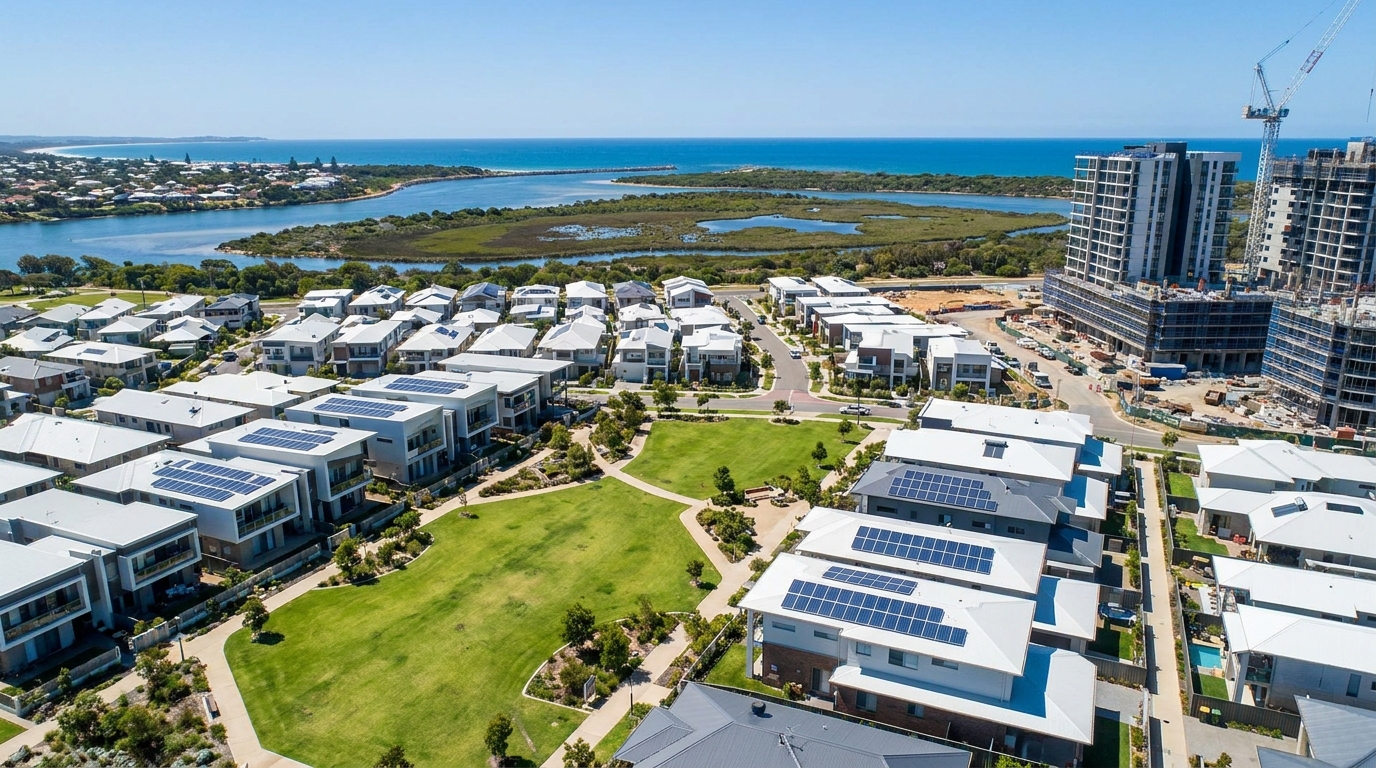
Environmental factors affecting real estate aren’t a niche concern anymore—they’re shaping pricing, insurance availability, financing decisions, and even how long a home sits on the market. From wildfire smoke to floodplain maps, today’s buyers and sellers are navigating risks that can change quickly and vary block by block.
The good news: environmental due diligence is no longer limited to specialists. With the right data, a clear process, and AI-powered tools, you can spot red flags early, price more accurately, and negotiate from a position of strength.
Why environmental factors matter more than ever
Environmental conditions influence real estate in three big ways:
- Value: Risks and nuisances can reduce demand or increase required discounts. Conversely, desirable environmental amenities (parks, clean air, waterfronts—when safe) can boost premiums.
- Cost of ownership: Insurance, maintenance, retrofits, and utilities often rise in higher-risk areas.
- Transaction risk: Disclosures, inspections, lending requirements, and permitting can complicate or delay closing.
In industry news, the trend line is clear: insurers are refining models, municipalities are updating resilience rules, and buyers are asking tougher questions. That means environmental research is now part of a “modern” real estate workflow—right alongside comps, interest rates, and neighborhood analysis.
Key environmental factors that affect property value and marketability
Not all environmental factors carry the same weight in every market. Below are the most common drivers—and how they show up in real estate pricing and negotiations.
1) Flood risk and stormwater management
Flood exposure is one of the most financially material environmental variables for residential real estate. It can affect:
- Insurance premiums and availability (including flood coverage requirements depending on the loan and location)
- Resale demand due to buyer caution
- Renovation and permitting constraints in flood hazard areas
- Repair costs after heavy rains, drainage failures, or coastal storms
Actionable tip: Don’t stop at “is it in a flood zone?” Ask about drainage performance on the specific lot. A home can be outside a mapped zone and still have recurring water intrusion due to grading, culvert issues, or undersized storm drains.
2) Wildfire risk and smoke exposure
In many regions, wildfire risk is now a mainstream pricing factor. Beyond the obvious threat of fire damage, recurring smoke events can reduce desirability and impact health-conscious buyers.
- Insurance: Higher premiums, non-renewals, and stricter underwriting are increasingly common in higher-risk corridors.
- Defensible space and hardening: Buyers may budget for ember-resistant vents, Class A roofing, vegetation management, and exterior material upgrades.
- Marketability: Properties with clear mitigation features can stand out.
Actionable tip: When comparing two similar homes, treat documented mitigation (roof type, vents, cleared perimeter, fire-resistant landscaping) like you would a kitchen upgrade—it can change both risk and perceived value.
3) Air quality and nearby pollution sources
Air quality has become a more prominent consideration due to wildfire smoke, industrial exposure concerns, and increased awareness of health impacts. Real estate implications include:
- Demand shifts: Buyers may favor areas with cleaner air or avoid corridors near major highways and industrial sites.
- Indoor air investments: Whole-home filtration, HVAC upgrades, and tighter building envelopes can add appeal.
Actionable tip: If you’re selling in an area with variable air quality, highlight upgrades like MERV-rated filters, sealed ductwork, and smart thermostats that support better indoor conditions.
4) Heat risk, urban heat islands, and energy burden
Extreme heat affects comfort, utility bills, and long-term livability. In dense areas, urban heat island effects can make two neighborhoods just a few miles apart feel dramatically different.
- Operating costs: Higher cooling costs can reduce affordability and buyer enthusiasm.
- Home performance: Insulation, window quality, shade trees, and roof reflectivity influence temperature and energy use.
- Future regulations: Some jurisdictions are moving toward energy performance standards or electrification requirements.
Actionable tip: Buyers can use utility bill history (when available) as a “real-world” performance metric. Sellers can preempt objections by documenting upgrades (insulation, efficient HVAC, attic sealing, solar, or cool roofs).
5) Water quality, drought, and supply constraints
Water reliability is increasingly relevant in drought-prone markets and rural areas. Key considerations include:
- Well and septic performance (testing, maintenance history, replacement costs)
- Municipal supply stability and restrictions that may affect landscaping or future additions
- Soil conditions that influence drainage and foundation behavior
Actionable tip: For rural purchases, treat well yield and water quality testing as essential due diligence—not optional. For sellers, having recent test results ready can reduce friction and speed up negotiations.
6) Soil contamination, brownfields, and legacy land use
Past land uses—gas stations, dry cleaners, industrial facilities, even some agricultural operations—can leave behind contamination that affects financing and resale.
- Appraisal impacts: Stigma or cleanup uncertainty can reduce value.
- Loan complexity: Some lenders scrutinize environmental history more heavily.
- Remediation costs: Cleanup can be expensive and time-consuming.
Actionable tip: If a property is near or on a site with potential legacy contamination, gather documentation early (permits, prior environmental reports, closure letters). Transparency reduces surprises later in the deal.
7) Noise, light pollution, and nuisance factors
Not every environmental factor is a “hazard.” Nuisance conditions—airport noise, rail lines, highways, stadiums, nightlife corridors—can materially affect desirability and time on market.
- Price sensitivity: Buyers may demand a discount even when the home is otherwise comparable.
- Renovation strategy: Soundproof windows, insulation, and fencing can help.
Actionable tip: Visit the property at different times (rush hour, late night, weekends). Noise patterns often don’t show up in a 20-minute tour.
How environmental risk changes pricing, insurance, and negotiations
Environmental factors influence deals through a few repeatable “mechanisms.” Understanding these helps you set a smarter strategy whether you’re buying or selling.
Pricing: risk-adjusted comps are the new normal
Traditional comps are still essential, but they may miss micro-level differences: one street drains poorly, another has mature tree canopy, another backs to a high-traffic corridor. Increasingly, buyers want risk-adjusted comparables—similar homes with similar exposures.
Practical approach:
- Start with standard comps (size, beds/baths, condition, school zone).
- Overlay environmental differences (flood/wildfire/heat exposure, noise sources, proximity to industrial uses).
- Quantify ownership costs (insurance quotes, expected retrofits, likely utilities).
- Translate to pricing via either a discount, a repair/upgrade credit, or a risk-mitigation requirement.
Insurance: availability and affordability can make or break a deal
In higher-risk areas, insurance can become the gating item that determines whether a buyer can close at all. Even when coverage is available, premium shocks can change monthly affordability and reduce demand—especially for first-time buyers.
Practical approach: Buyers should request insurance quotes early in escrow (or even before making an offer when possible). Sellers can reduce friction by documenting mitigation steps—sometimes that’s the difference between a smooth close and a renegotiation.
Negotiations: environmental data strengthens your leverage
Environmental conditions often create negotiation opportunities because they’re measurable and tied to costs. Instead of vague objections (“it feels risky”), you can negotiate based on:
- Documented insurance premium differences
- Inspection findings (drainage, roof condition, ventilation, moisture intrusion)
- Cost estimates for hardening, filtration, grading, or other mitigation
- Disclosure and permit documentation gaps
Practical steps for buyers and sellers (a modern checklist)
Environmental due diligence doesn’t have to be overwhelming. Here’s a streamlined checklist you can apply to most transactions.
For buyers: 8 steps to reduce surprises
- Map the risks early: Check flood, wildfire, heat, and air quality indicators for the property and surrounding area.
- Get insurance signals before you commit: Request preliminary quotes and ask about non-renewal risk patterns in the ZIP code.
- Review seller disclosures carefully: Look for prior water intrusion, smoke damage, remediation, or drainage fixes.
- Inspect with environmental context: Focus on roof, attic ventilation, grading, gutters, sump pumps, and crawlspace moisture.
- Ask about improvements that mitigate risk: Fire hardening, drainage upgrades, tree management, high-efficiency HVAC, filtration.
- Validate nearby land use: Scan for industrial sites, major roadways, rail lines, or planned developments that can change noise/air patterns.
- Price the total cost of ownership: Mortgage + insurance + utilities + expected mitigation.
- Negotiate with specifics: Use quotes, bids, and documented findings rather than assumptions.
For sellers: 6 ways to protect value and speed up closing
- Preempt buyer concerns with documentation: Provide receipts and permits for drainage work, roofing, HVAC, filtration, or retrofits.
- Consider pre-list inspections: Address moisture issues, roof vulnerabilities, or ventilation gaps before they derail negotiations.
- Showcase resilience upgrades: Buyers increasingly pay attention to practical features, not just finishes.
- Be transparent in disclosures: Surprises late in escrow can lead to price cuts or cancellations.
- Price with the market’s risk perception in mind: If similar homes are discounting for exposure, plan accordingly—or differentiate with mitigation.
- Prepare for insurance questions: If you’ve had stable coverage, note carrier continuity and key property features that support insurability.
What’s next: environmental intelligence becomes standard in real estate
Environmental factors affecting real estate will only grow in importance as climate patterns shift, infrastructure ages, and local regulations evolve. The market is moving toward more transparency and more data—meaning informed buyers and sellers will have a real advantage.
The takeaway: You don’t need to guess. You need a repeatable process, clear documentation, and tools that turn complex information into confident decisions.
Close smarter with AIRE
AIRE helps you navigate real estate with AI-powered guidance—from organizing due diligence and disclosures to evaluating pricing factors and negotiation strategies. If you’re buying or selling and want a faster, clearer path through risk, paperwork, and decision points, AIRE can help you manage the transaction independently with data-driven support at every step.
Ready to move forward? Use AIRE to evaluate your property, streamline your checklist, and make confident offers or listings—backed by modern real estate intelligence.