
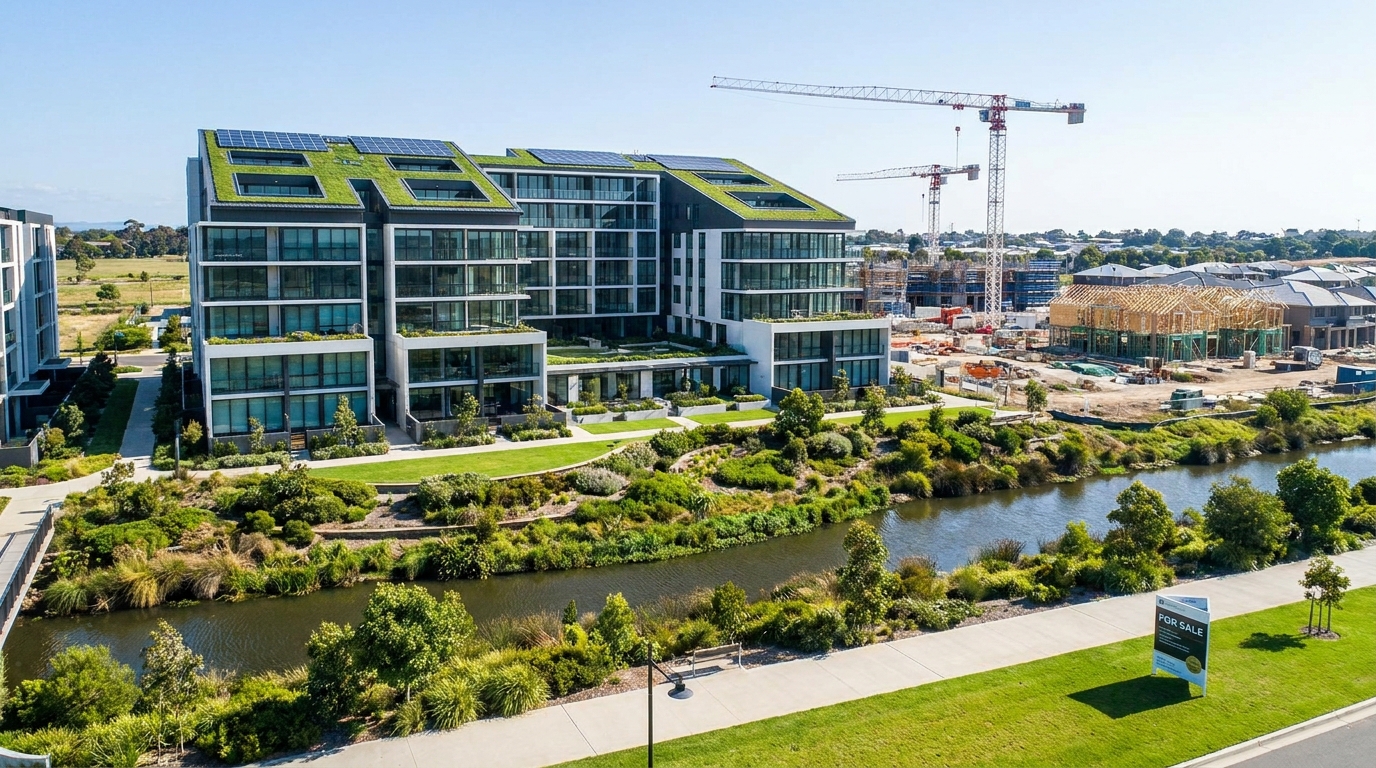
Environmental factors can raise (or erase) a home’s value faster than a kitchen remodel. From flood risk and wildfire exposure to air quality and local zoning, today’s buyers and sellers are navigating a market where nature, infrastructure, and regulation increasingly shape pricing, insurance availability, and long-term desirability.
This industry-news breakdown explains the most important environmental factors affecting real estate, what data to look at, and how to make confident decisions—whether you’re buying, selling, or investing—using a modern, AI-supported approach.
Why Environmental Factors Matter More Than Ever
Environmental risk has always existed, but three trends are making it more “priced in” than in past decades:
- Climate volatility: More frequent extreme weather events can increase repair costs and reduce buyer confidence.
- Insurance and lending scrutiny: Premiums and deductibles are shifting quickly in higher-risk regions, and coverage can be harder to secure.
- Data transparency: Public datasets, satellite imagery, and risk models make it easier for buyers to compare neighborhoods and properties.
For sellers, this means environmental due diligence is no longer optional—smart preparation can reduce surprises during disclosure and inspection. For buyers, it means environmental research should sit alongside comps, interest rates, and school ratings.
Climate and Natural Hazard Risks (Flood, Fire, Heat, Wind)
Natural hazards are among the most direct environmental drivers of real estate value because they influence repair probability, insurance cost, and future marketability.
Flood risk and stormwater performance
Flooding isn’t limited to waterfront homes. Urban “pluvial flooding” (heavy rain overwhelming drainage) can affect inland neighborhoods, basements, and low-lying lots.
What to evaluate:
- Flood zone status: FEMA maps are a starting point, but they can lag behind recent development and rainfall trends.
- Elevation and lot grading: A few inches of slope can make a major difference in water flow.
- Drainage infrastructure: Check for nearby storm drains, retention ponds, and signs of standing water after rain.
- Basement and crawlspace history: Ask about past seepage, sump pumps, and any waterproofing work.
Practical tip: Review seller disclosures closely for prior water intrusion, then verify with inspection notes and permits (when available). If a property has mitigation features (sump pump, backflow valve, French drains), document them—these details can improve buyer confidence.
Wildfire exposure and defensible space
In fire-prone regions, risk can change demand patterns quickly—especially if insurers tighten underwriting after major events.
What to evaluate:
- Vegetation density and proximity: Trees and brush close to the structure can increase ignition risk.
- Building materials: Roof type, vents, siding, and deck materials can influence vulnerability.
- Community readiness: Local brush management, fire breaks, and evacuation routes matter.
Practical tip: If you’re selling in a wildfire interface zone, create a simple “risk-ready” packet that lists upgrades (Class A roof, ember-resistant vents, cleared perimeter) and maintenance routines. It helps your listing stand out in a cautious market.
Extreme heat, urban heat islands, and cooling costs
Heat is a slower-moving risk than floods or fires, but it can reshape buyer preferences through comfort, health concerns, and utility bills.
What to evaluate:
- Tree canopy and shade: Streets with mature canopy often feel cooler and can reduce AC demand.
- Insulation and windows: Energy performance affects monthly cost and livability.
- HVAC age and capacity: Older systems may struggle during heat waves.
Practical tip: Buyers should request utility bill history when possible. Sellers can preempt concerns by sharing recent efficiency upgrades and maintenance records.
Hurricanes, wind, and hail risk
Coastal and storm-belt markets face higher exposure to roof damage, water intrusion, and short-term displacement.
What to evaluate:
- Roof age and material: Impact-resistant shingles may reduce damage frequency.
- Window protection: Storm shutters or impact glass can be meaningful.
- Local building codes: Newer code-compliant homes may perform better in high-wind events.
Environmental Quality: Air, Water, Noise, and Soil
Beyond big hazards, everyday environmental quality can influence “feel,” health, and resale appeal. These factors often show up in buyer behavior: time on market, offer strength, and negotiation outcomes.
Air quality and nearby emission sources
Air quality affects comfort and can be a deciding factor for buyers with asthma, allergies, or young children. It also influences outdoor lifestyle value—how enjoyable a yard, balcony, or nearby parks really are.
What to evaluate:
- Proximity to highways and freight routes: Traffic corridors can raise pollution and noise levels.
- Industrial sites: Warehouses, refineries, and manufacturing zones can affect perception and air conditions.
- Seasonal patterns: Some regions have recurring wildfire smoke or inversion smog seasons.
Practical tip: Visit the property at different times (morning commute, evening, weekend) to gauge both air and noise conditions. A “quiet” midday showing can be misleading.
Water quality and infrastructure age
Water concerns can come from well systems, municipal infrastructure, or local contamination history.
What to evaluate:
- Well water testing: In rural areas, test for common contaminants relevant to the region.
- Plumbing materials: Older homes may have outdated pipes that impact water quality and maintenance.
- Local advisories: Check for boil notices, lead service line programs, or recent violations.
Practical tip: If you’re selling a property with a well, proactive testing and clear documentation can reduce buyer uncertainty and speed up decision-making.
Soil stability, erosion, and landslide potential
Hillside properties can command premium views, but they may also carry slope stability and drainage considerations.
What to evaluate:
- Retaining walls and drainage: Look for cracks, bulging, or persistent wet soil.
- Past grading work: Confirm permits and engineering reports when available.
- Vegetation and root patterns: Stabilizing vegetation can help; poorly managed runoff can hurt.
Noise and light pollution
Noise is an environmental factor buyers feel immediately, and it can impact sleep quality and perceived privacy.
What to evaluate:
- Flight paths and rail lines: Even if they aren’t visible, they can affect livability.
- Commercial activity: Late-night deliveries, stadium events, or nightlife may matter.
- Outdoor lighting: Bright streetlights or commercial lots can create unwanted nighttime glare.
Regulations, Insurance, and Market Behavior
Environmental factors influence real estate not only through physical conditions, but through the rules and financial systems that respond to them. These “secondary effects” often show up as higher carrying costs or reduced buyer pool.
Zoning, environmental overlays, and permitting
Wetlands, protected habitats, coastal zones, and stormwater requirements can limit renovation plans, additions, or lot use.
What to evaluate:
- Overlay districts: Coastal management zones, hillside ordinances, and floodplain overlays can add restrictions.
- Setback and impervious surface limits: These affect how much you can expand or pave.
- Tree protection rules: Removing mature trees may require permits or replanting commitments.
Practical tip: Before making an offer based on “future potential,” validate whether the lot can legally support your plans. Constraints can turn a great idea into an expensive dead-end.
Insurance availability and affordability
Insurance has become a leading indicator for environmental risk. If coverage is expensive or difficult to secure, it can shrink the buyer pool and impact affordability.
What to evaluate:
- Premium trends: Ask for current premiums and recent increases.
- Deductibles and exclusions: Two policies with the same premium can have very different protection.
- Required supplemental coverage: Flood or wind coverage may be separate.
Practical tip: Treat insurance research like a core part of your due diligence timeline—right alongside financing and inspection.
Buyer preferences: sustainability, efficiency, and resilience
Many buyers now value features that lower environmental impact and reduce long-term costs, including solar readiness, efficient HVAC, EV charging capability, and water-smart landscaping. Even when buyers aren’t explicitly “green,” they often respond to the economics: lower utility bills and fewer surprise repairs.
Sellers can strengthen their position by highlighting:
- Energy upgrades: Insulation, windows, smart thermostats, efficient appliances.
- Resilience improvements: Sump pumps, backflow preventers, fire-resistant materials, wind-rated doors.
- Maintenance documentation: Receipts, permits, and service records that reduce uncertainty.
Actionable Checklist: How to Evaluate Environmental Risk Before You Buy or Sell
Use this streamlined process to reduce surprises and make better decisions faster.
- Map the risk: Identify flood, fire, wind, and heat exposure using reputable public sources and local records.
- Inspect for evidence: Look for water staining, grading issues, roof condition, and defensible space needs.
- Validate costs: Request insurance quotes early and compare deductibles, exclusions, and supplemental policies.
- Check constraints: Review zoning overlays, environmental districts, and permit history that may limit improvements.
- Price with reality: Compare comps with similar risk profiles—don’t assume a “nearby” comp is equivalent.
- Document mitigation: If you’ve upgraded for resilience or efficiency, package it clearly for buyers.
Bottom line: Environmental factors are rarely a single yes/no issue. The winning strategy is to quantify exposure, confirm insurability, and translate mitigation into market value.
Conclusion: Turn Environmental Risk Into an Informed Advantage
Environmental factors affecting real estate are reshaping pricing, negotiations, and long-term confidence. Buyers who research climate and quality-of-life indicators can avoid costly surprises. Sellers who anticipate concerns—by documenting upgrades, improving resilience, and pricing with risk in mind—can protect value and reduce friction.
Ready to act with clarity? AIRE helps you navigate modern real estate with AI-powered guidance—so you can evaluate risks, organize disclosures and documentation, understand local dynamics, and move from listing to closing with confidence (no traditional agent required). Explore AIRE to make your next move smarter, faster, and data-driven.