
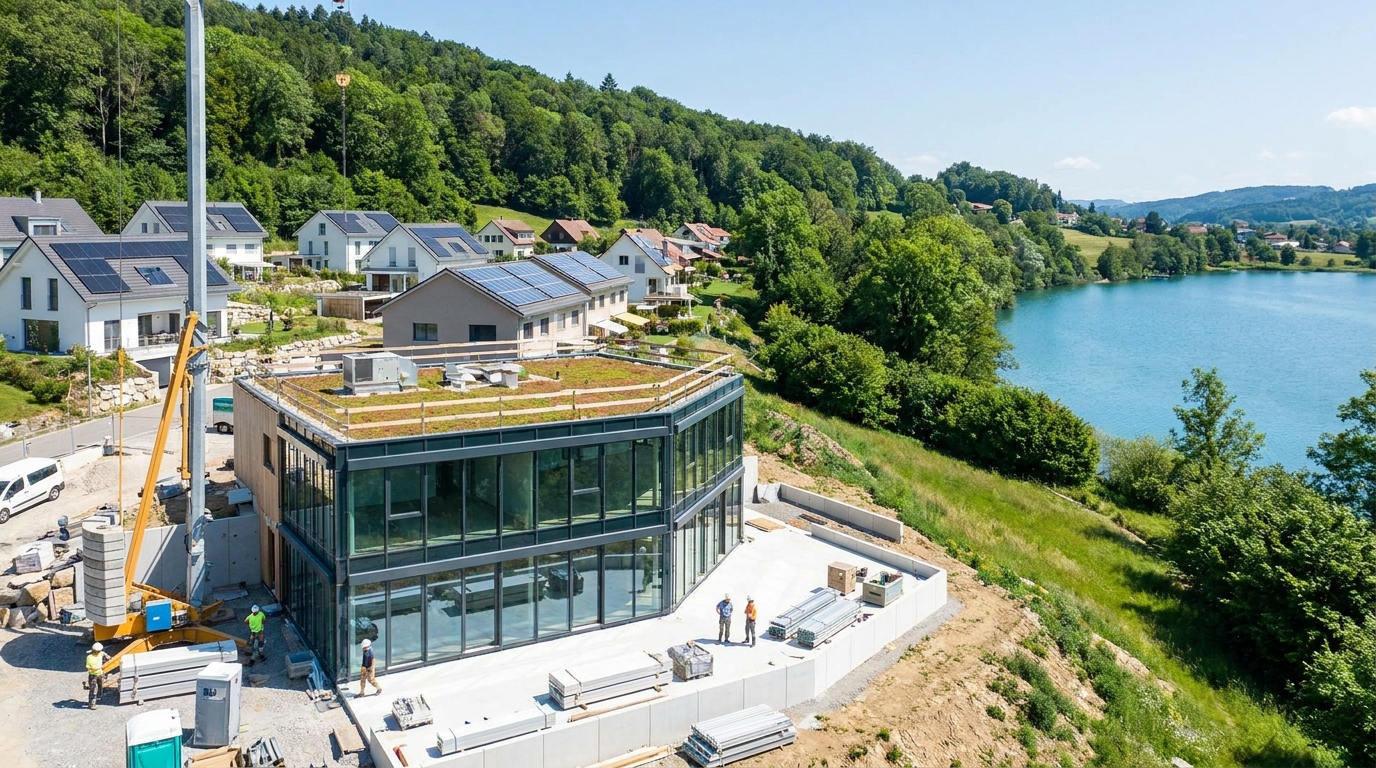
Wildfire smoke, record floods, and hotter summers aren’t just headlines—they’re reshaping what homes are worth, where buyers want to live, and which properties can even be insured. Environmental factors affecting real estate now influence pricing, days on market, renovation decisions, and long-term resale potential. The shift is especially visible as insurers adjust premiums and underwriting, municipalities update building codes, and buyers demand more transparency about property risk.
This industry-news guide breaks down the most important environmental drivers of real estate performance and gives you practical, action-focused steps to evaluate a home (or listing) with today’s data—so you can negotiate and close with confidence.
Why Environmental Factors Now Move Real Estate Markets
For decades, environmental considerations were often treated as “nice to know.” Today they’re frequently price-setting. Here’s why:
- Insurance is becoming a gating factor: Premiums, deductibles, coverage exclusions, and non-renewals can change a buyer’s monthly payment dramatically—and can derail financing or closing timelines.
- Climate-related hazards are more frequent and more expensive: Wildfires, floods, hurricanes, heat waves, and severe storms can drive both immediate repair costs and long-term value adjustments.
- Disclosure and due diligence expectations are rising: More jurisdictions and lenders expect clearer information on flood zones, prior losses, water intrusion, and environmental contamination.
- Buyer preferences are shifting: Demand is growing for energy-efficient homes, resilient construction, and locations with lower hazard exposure—while high-risk areas may face slower appreciation.
Bottom line: environmental risk and resilience are increasingly part of a property’s “fundamentals,” alongside schools, commute times, and neighborhood amenities.
Climate & Natural Hazard Risks: The Biggest Environmental Price Drivers
Natural hazards can impact a property in two ways: (1) physical risk (damage and disruption) and (2) financial risk (insurance availability, higher premiums, lender concerns, and resale discounts). Below are the most common hazard categories shaping real estate decisions.
Flooding & Sea Level Rise
Flooding isn’t limited to beachfront property. Inland flooding from heavy rainfall, river overflow, and inadequate stormwater infrastructure is increasingly common. Environmental factors affecting real estate in flood-prone areas often show up as:
- Higher insurance costs (or coverage requirements)
- Stricter renovation rules (elevation, flood vents, materials)
- Lower buyer demand after major events
Actionable tip: Don’t rely only on a general “flood zone” label. Ask for prior flood claims (where available), review local drainage patterns, and assess whether the lot sits at a low point relative to surrounding streets.
Wildfire Risk & Smoke Exposure
Wildfire risk influences property values far beyond forest-adjacent communities. Smoke impacts air quality, health, and buyer perception—sometimes hundreds of miles away. In higher-risk regions, you may see:
- Insurance non-renewals or sharply higher premiums
- Requirements for defensible space and hardened homes (roofing, vents, ember-resistant features)
- Market stigma after nearby fires
Actionable tip: Evaluate home-hardening features like Class A fire-rated roofing, enclosed eaves, screened vents, and defensible space. These improvements can support insurability and resale appeal.
Hurricanes, Wind, and Severe Storms
Wind risk affects roofs, windows, garages, and overall structural integrity. In storm-prone markets, buyers and lenders often scrutinize:
- Roof age and wind rating
- Impact-resistant windows/doors
- Storm shutters and reinforced garage doors
Actionable tip: For sellers, pre-listing documentation (roof permits, upgrades, inspection reports) can reduce friction in buyer due diligence and help justify pricing.
Extreme Heat & Drought
Heat and water stress can change livability and operating costs. In many regions, water availability is becoming a critical constraint that influences development, landscaping, and long-term value. Watch for:
- Rising utility bills (cooling demand)
- Water restrictions and higher rates
- Foundation movement in areas with expansive soils and drought cycles
Actionable tip: Look for modern insulation, efficient HVAC, smart thermostats, shade trees or exterior shading, and drought-tolerant landscaping. These features can improve comfort and reduce ongoing costs—often a selling advantage.
Environmental Quality: Pollution, Noise, and Health Impacts
Not all environmental factors are disaster-driven. Day-to-day environmental quality can strongly affect demand—especially as remote work expands where people are willing to live and as buyers prioritize wellness.
Air Quality (Indoor and Outdoor)
Poor outdoor air quality (from traffic corridors, industrial activity, or wildfire smoke patterns) can reduce desirability. Indoor air quality issues—like mold, ventilation problems, or off-gassing materials—can trigger inspection concerns and negotiation.
- Outdoor air influences lifestyle and long-term perception of a neighborhood.
- Indoor air directly impacts comfort, health, and inspection outcomes.
Actionable tip: Ask about HVAC maintenance history, bath/kitchen ventilation, and any past moisture events. If you’re selling, a proactive mold/moisture evaluation and improved ventilation can prevent last-minute price reductions.
Water Quality & Contamination
Water quality concerns include aging municipal infrastructure, well water testing needs, and contamination events. Environmental concerns may show up as:
- Required testing for well systems (and sometimes septic)
- Buyer skepticism if a neighborhood has had publicized water issues
- Added filtration costs that affect affordability calculations
Actionable tip: If a home uses a well, confirm test results and ongoing maintenance needs. If municipal, review any publicly available water quality reports and consider whether filtration is a practical value-add.
Noise Pollution & Light Pollution
Noise from highways, airports, rail lines, and nightlife districts can impact sleep, work-from-home quality, and buyer willingness to pay. Light pollution can affect comfort and outdoor enjoyment.
Actionable tip: Visit the property at multiple times (morning rush, evening, weekend). If you’re listing, highlight mitigation features like upgraded windows, fencing, landscaping buffers, or bedroom placement away from the street.
Land Use, Soil, and Built Environment: The Hidden Variables
Some of the most consequential environmental factors affecting real estate are embedded in the land itself or the way the surrounding area is planned and maintained.
Soil Conditions, Erosion, and Slope Stability
Soil type and topography can influence foundation performance, drainage, and landslide risk. Homes on slopes or near bluffs may face higher maintenance and more stringent engineering requirements for renovations.
Actionable tip: Pay close attention to drainage paths, retaining walls, and signs of movement (cracks, sticking doors, uneven floors). For sellers, documentation of any engineered stabilization or drainage upgrades can protect value.
Proximity to Industrial Sites and Brownfields
Properties near industrial corridors, former manufacturing sites, or certain commercial uses may carry perceived or actual contamination risk. Even if a property is safe, perception can impact buyer demand and appraisal outcomes.
Actionable tip: Review local planning records and public environmental databases where available. If you’re selling near a stigmatized site, transparency plus third-party documentation can reduce uncertainty and keep negotiations grounded.
Urban Heat Islands, Tree Canopy, and Green Space
Neighborhood design matters. Areas with low tree canopy and lots of pavement often run hotter, raising cooling costs and reducing outdoor comfort. Conversely, access to parks and green corridors can boost demand.
- Tree canopy can improve comfort, aesthetics, and even energy use.
- Green space access supports lifestyle value and can strengthen resale appeal.
Actionable tip: When comparing neighborhoods, factor in shade, walkability, park access, and the presence of cooling infrastructure (trees, reflective roofs, modern building materials).
How Environmental Factors Influence Pricing, Negotiations, and Resale
Environmental risk isn’t automatically a dealbreaker—but it does change how you price, negotiate, and plan. Here’s how it typically plays out in transactions:
1) Total Cost of Ownership Becomes the Real Comparison
Two similar homes can have very different long-term costs once you include insurance premiums, mitigation upgrades, and energy/water bills. Buyers increasingly evaluate affordability with a “monthly payment + risk cost” mindset.
2) Insurability and Financing Can Decide the Deal
If insurance is difficult to secure or very expensive, it can affect loan approval and closing timelines. Sellers in higher-risk areas may benefit from preparing insurance-related documentation early (roof info, mitigation features, prior claims history where available).
3) Mitigation Upgrades Can Protect (and Sometimes Increase) Value
Resilience improvements aren’t just defensive. In many markets, they’re becoming differentiators that help a listing stand out.
- Flood mitigation: improved drainage, sump systems, flood vents, backflow prevention
- Fire mitigation: defensible space, ember-resistant vents, fire-rated roofing
- Storm mitigation: impact-rated openings, roof tie-downs, reinforced garage doors
- Heat mitigation: insulation, efficient HVAC, reflective roofing, shading
Practical Checklist: What to Do Before You Buy or Sell
Use this streamlined checklist to make environmental due diligence part of your process—without getting overwhelmed.
For Buyers: 7 Steps to Assess Environmental Risk
- Map hazard exposure (flood, fire, wind, heat) and compare it to neighboring areas.
- Request insurance quotes early and ask about exclusions, deductibles, and non-renewal risk.
- Review property drainage after rainfall if possible; look for low points and water pathways.
- Check building resilience features (roof rating, ventilation, elevation, impact resistance).
- Look for history signals: staining, patched drywall, musty odors, repeated repairs.
- Evaluate utilities and water: cooling costs, water restrictions, well/septic status if applicable.
- Use the findings in negotiation (credits, repairs, price adjustments, or mitigation upgrades).
For Sellers: 6 Ways to Reduce Risk Friction and Protect Your Price
- Document upgrades (roof, windows, drainage, HVAC, insulation) with receipts and permits.
- Address obvious vulnerabilities (gutters, grading, vegetation near structures).
- Prepare a “resilience packet” with key details buyers will ask for.
- Price with the market reality of insurance and hazard exposure, not just comps.
- Be transparent about prior issues and remediation—uncertainty kills deals.
- Highlight operating-cost wins like energy efficiency and low-maintenance landscaping.
Conclusion: Environmental Due Diligence Is the New Competitive Edge
Environmental factors affecting real estate are no longer background noise—they’re a core driver of value, marketability, and transaction certainty. Buyers who evaluate risk early can avoid expensive surprises. Sellers who document resilience and reduce uncertainty can protect pricing and keep deals moving.
Ready to act on the data? AIRE helps you navigate modern real estate with AI-powered guidance—so you can analyze property risks, organize due diligence, generate smarter offer strategies, and manage your transaction steps with confidence (without relying on traditional agents). Explore AIRE to make your next move clearer, faster, and more informed.