
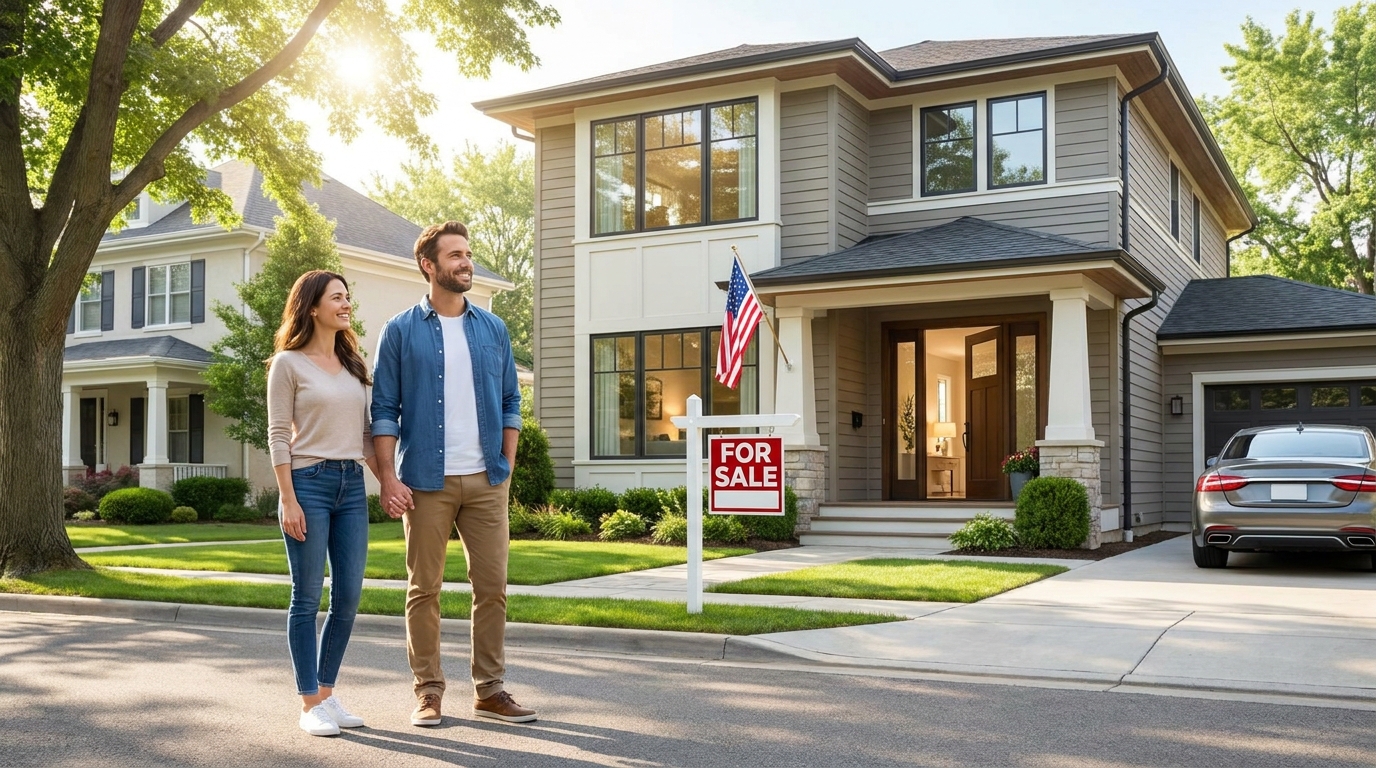
Thinking about buying a home? The Fourth of July is one of the best “real-world stress tests” for a neighborhood. Fireworks, parties, road closures, visitors, and packed parks can reveal what day-to-day life feels like—especially in areas that host annual celebrations.
This Fourth of July neighborhood guide helps you turn holiday buzz into actionable research. You’ll learn what to look for, which questions to ask, and how to compare neighborhoods using observable signals—so you can buy with clarity and confidence.
Why the Fourth of July is a Smart Time to Evaluate a Neighborhood
Most neighborhood research happens in calm conditions: a weekday afternoon showing, a quiet Sunday open house, a quick drive-by. But buying a home is about more than the “quiet version” of a place. The Fourth of July spotlights factors that can impact your comfort, sleep, commute, and property enjoyment.
Use the holiday to evaluate:
- Noise patterns: fireworks (legal or not), late-night gatherings, amplified music
- Traffic and parking: event congestion, street closures, driveway access, ride-share activity
- Community culture: family-friendly block parties vs. chaotic crowds
- Safety and enforcement: lighting, patrol presence, crowd management, local rules
- Home functionality: soundproofing, yard usability, pet stress, smoke sensitivity
Pro tip: If you’re comparing multiple areas, the Fourth of July gives you a consistent “benchmark day” to observe how each neighborhood handles peak activity.
Pre-Visit Checklist: How to Plan Your Fourth of July Neighborhood Tour
A great holiday tour isn’t random—it’s structured. Here’s a simple plan you can follow to gather comparable insights across neighborhoods.
1) Identify the neighborhood’s event “gravity”
Start by mapping what draws people in:
- City fireworks launch sites (parks, waterfronts, stadiums, fairgrounds)
- Parade routes and staging areas
- Popular viewing hills or intersections
- Community festivals (food trucks, concerts, markets)
Homes within a few blocks of major event hubs can experience amplified traffic, louder sound, and more parking overflow. That’s not necessarily bad—it depends on your lifestyle. The key is knowing what you’re signing up for.
2) Build a “two-time” itinerary
Visit the same neighborhood at two different times:
- Late afternoon (4–7 p.m.): parking availability, family activity, setup, early traffic
- After dark (9 p.m.–12 a.m.): fireworks intensity, noise duration, crowd behavior, lighting
If you can add a third mini-visit the next morning, you’ll learn a lot from what’s left behind (trash, debris, street condition) and how quickly things reset.
3) Pack tools for objective notes
Bring simple tools to avoid relying on memory:
- Notes app checklist (same categories for each neighborhood)
- Photo/video clips of parking, crowds, street condition (be respectful and avoid filming people closely)
- Decibel app for approximate noise comparisons
- Allergy/pet considerations if smoke, fireworks, or crowds are relevant to your household
What to Look For on the Fourth of July (The Practical Field Guide)
When you’re touring neighborhoods around the Fourth, focus on observable factors that connect directly to your quality of life—and long-term resale appeal. Use the sections below as your in-the-moment scorecard.
Noise: fireworks, echoes, and “how late”
Firework noise isn’t just about volume—it’s also about duration and unpredictability. Ask yourself:
- How early do fireworks start? (Some areas begin days before the holiday.)
- How late do they go? Is it a quick city show, or hours of intermittent bursts?
- How does the neighborhood amplify sound? Dense streets, hills, or waterfronts can create echoes.
- Is it mostly organized or mostly random? Random fireworks can be more stressful than a scheduled show.
Actionable tip: If you’re serious about a specific home, visit that exact block at night. A neighborhood can feel calm two streets over and chaotic on the block closest to a park or launch site.
Traffic, parking, and access
A holiday event can expose everyday convenience issues: narrow streets, limited guest parking, or bottlenecked exits. Evaluate:
- Can you reliably park within a block?
- Are driveways blocked by visitors? Do you see towing signage or enforcement?
- Do road closures cut off direct routes to highways, groceries, or hospitals?
- How does public transit perform? Some areas become crowded, delayed, or rerouted.
Buyer mindset: If you host friends and family, parking friction matters. If you commute early mornings, assess whether celebrations create lingering overnight congestion.
Safety signals and neighborhood readiness
Use the holiday to observe how “prepared” the area is for crowds and late-night activity:
- Lighting: Are sidewalks and intersections well-lit after dark?
- Sidewalk condition: Trip hazards become more important with crowds.
- Community management: Volunteer staff, signs, trash bins, posted rules
- Rule-following culture: Are fireworks being set off near dry landscaping or parked cars?
Actionable tip: Note where you see fire hydrants blocked, fireworks near trees/roofs, or heavy smoke pooling in tight streets. Those are practical red flags if you value calm and predictability.
Community vibe: family-friendly, social, or party-centric?
“Vibe” can sound subjective, but you can make it measurable by watching behavior patterns:
- Family presence: strollers, kids’ bikes, neighbor chats
- Noise etiquette: music volume, time boundaries, respectful cleanup
- Neighbor interaction: shared food, greetings, informal watchfulness
- Public space use: parks that feel welcoming vs. overwhelmed
Remember: A lively neighborhood can be a huge plus if you want community connection. The goal is alignment—choosing a place that matches how you live.
Property-level clues you can’t ignore
The holiday can reveal how a specific home will feel:
- Windows and insulation: Do homes appear to have newer windows or storm windows?
- Outdoor space usability: Does the yard feel private or exposed to foot traffic?
- Smoke drift: Are you downwind of popular fireworks zones or barbecue-heavy parks?
- Pets and stress: If you have a dog, note how constant the noise is.
How to Compare Neighborhoods: A Simple Fourth of July Scorecard
To avoid falling for a single “fun” night (or a single annoying moment), score neighborhoods with a consistent framework. Here’s a straightforward, buyer-friendly approach.
Use a 1–5 rating for each category
- Noise comfort: 1 = nonstop/chaotic, 5 = predictable/limited
- Parking & access: 1 = impossible, 5 = easy
- Safety feel: 1 = poorly lit/unmanaged, 5 = well-run and calm
- Community fit: 1 = not your style, 5 = strong match
- Cleanup & care: 1 = trash/debris everywhere, 5 = tidy and maintained
Add two “deal-breaker” questions
- Could I sleep here on a holiday week? (Not just the 4th—think the weekend around it.)
- Could I comfortably get in and out if I had to? (Work shift, emergency, travel day.)
If a neighborhood scores high overall but fails a deal-breaker, treat that as a serious signal—not something to rationalize away.
Buying-Guide Tips: Turn Holiday Observations Into Smarter Decisions
Once you’ve toured, use your notes to improve your buying strategy—not just your opinions.
1) Match the location to your lifestyle priorities
Use what you observed to refine your search radius. For example:
- If you loved the energy but want quieter nights, look 5–10 blocks away from the event hub.
- If parking was a problem, prioritize homes with dedicated off-street parking or alley access.
- If you value calm, target neighborhoods where celebrations are scheduled and centralized, not random and dispersed.
2) Ask listing-specific questions (without guesswork)
For homes you’re considering, gather concrete details:
- Window age and type (impact on noise and energy efficiency)
- HVAC filtration (helpful if smoke or air quality is a concern)
- HOA/community rules about fireworks, gatherings, and quiet hours (if applicable)
- Parking permits and restrictions (especially near waterfronts and parks)
3) Use the holiday to validate walkability and convenience
When streets are busy, you’ll quickly learn what’s truly walkable:
- Can you walk to groceries, coffee, or transit without crossing dangerous intersections?
- Do sidewalks feel safe when crowded?
- Are there multiple routes home, or just one choke point?
4) Think resale: holiday crowding can be a feature or a flaw
Neighborhoods near major celebrations can command interest because they’re close to parks, water, and entertainment. But the same factors can deter buyers who prioritize quiet and privacy. Your job is to understand which buyer profile the home fits—then decide if that aligns with your long-term plans.
Conclusion: Make the Fourth of July Work for Your Home Search
A holiday can show you what a neighborhood looks like under pressure: how it handles noise, crowds, parking, safety, and community culture. With a simple plan and consistent scorecard, your Fourth of July tour becomes more than a fun outing—it becomes smart, repeatable neighborhood research that helps you buy with confidence.
Ready to turn observations into action? AIRE helps you research neighborhoods, compare homes, generate data-driven offer strategies, and manage the transaction timeline end-to-end—so you can buy on your terms with AI-powered guidance at every step.