
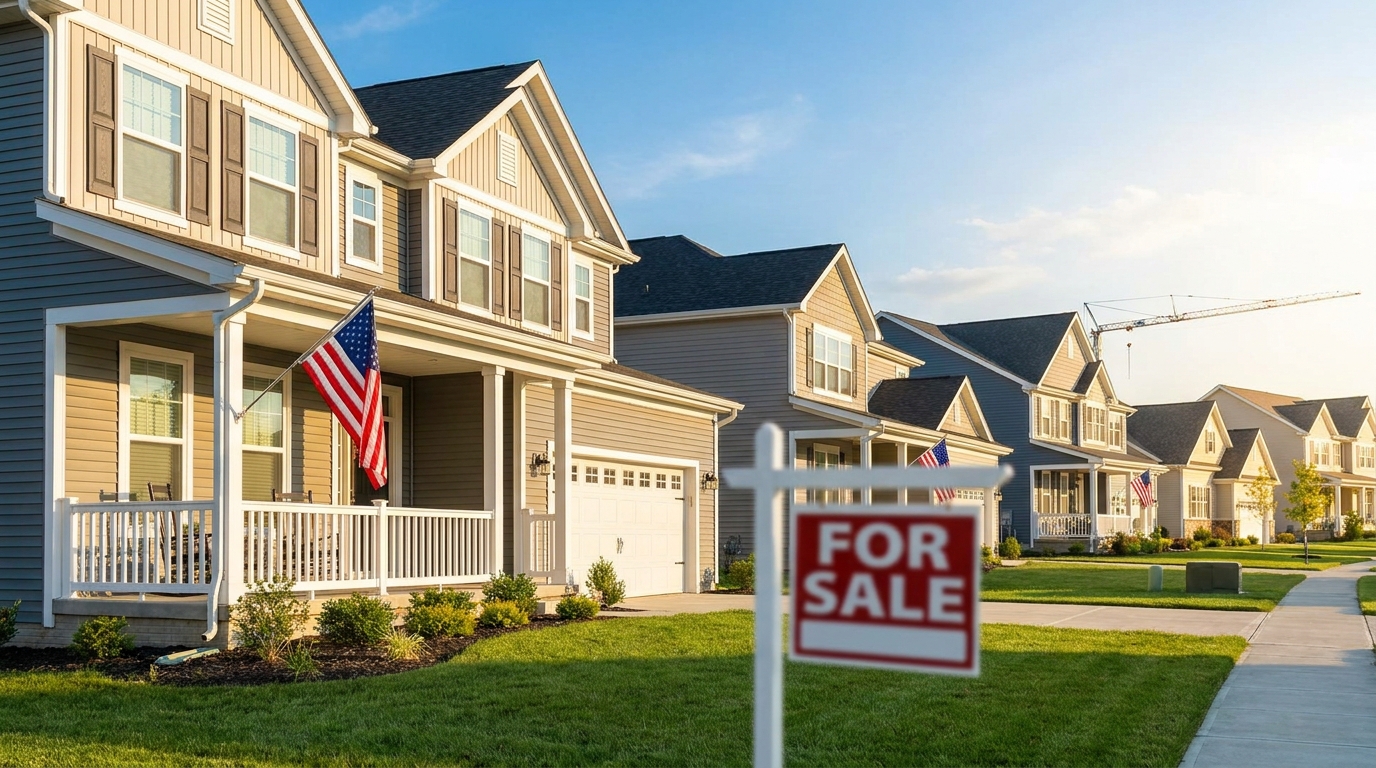
Fireworks, parades, block parties, and packed parks—the Fourth of July compresses a year’s worth of neighborhood personality into one long weekend. If you’re buying a home (or preparing to sell), it’s one of the best real-world “stress tests” you’ll get: traffic patterns, noise levels, community culture, parking, pet-friendliness, and even how responsive local services are.
This Fourth of July neighborhood guide shows you how to use Independence Day activity to evaluate a neighborhood like a pro—without guesswork. You’ll walk away with a practical checklist, data points to verify what you observe, and next steps to move forward confidently with AIRE.
Why the Fourth of July Is a Smart Time to Evaluate a Neighborhood
Most neighborhood research happens in calm conditions: midweek afternoons, quiet open houses, and quick drive-bys. The Fourth of July weekend is different—it reveals how an area behaves when it’s busy, loud, and social.
- Noise reality check: Fireworks, parties, and late-night foot traffic can be a deal-breaker—or a sign of lively community, depending on your preferences.
- Traffic and parking stress test: Major events show whether streets gridlock, where people park, and how residents navigate it.
- Community culture on display: Are neighbors welcoming? Are there family-friendly traditions? Do people keep to themselves?
- Public space quality: Parks, sidewalks, and community centers are heavily used—perfect for judging cleanliness and maintenance.
- Safety and enforcement signals: You may notice lighting, signage, patrol presence, and how issues are handled in real time.
Bottom line: Holiday weekends provide high-signal observations you can’t get from listings alone.
Your Fourth of July Neighborhood Checklist (Before, During, After)
Use this three-phase approach to turn holiday buzz into clear decision-making. If you’re touring homes, try to visit at least twice: once during peak activity and once the following morning.
1) Before the Holiday: Map the “Event Footprint”
Start by identifying where crowds and noise are most likely to concentrate. This helps you understand whether a specific address is inside—or comfortably outside—the action zone.
- Locate official events (parade routes, fireworks launch sites, festival parks). Then estimate distance and typical sound travel to the homes you’re considering.
- Check road closures and transit changes to see if access to your street becomes difficult.
- Pin essentials: grocery stores, urgent care, pharmacies, and highway ramps. If closures make basic errands painful, that matters year-round too.
- Review local rules about fireworks and quiet hours. Enforcement and community norms vary widely by city and county.
Tip: If you’re sensitive to sound, prioritize homes with double-pane windows, mature tree cover, and lots set back from arterials. If you love being in the center of the action, look for proximity to parks and main streets—with realistic expectations about crowds.
2) During the Holiday: Observe What Listings Don’t Tell You
Think of this as a live field study. You’re evaluating how the neighborhood functions at its loudest and busiest.
- Noise patterns: Is noise mostly confined to a park? Does it echo through the entire area? How late does it run?
- Parking behavior: Do visitors block driveways, double park, or respect signage? Can residents still park near home?
- Sidewalk and street safety: Are crosswalks usable? Is lighting adequate after dusk? Are there visible hazards?
- Trash and cleanup: A busy day will reveal whether a community tends to clean up quickly or leave debris behind.
- Neighbor interaction: Are people friendly and inclusive? Do residents gather on porches and front yards? Is it calm or chaotic?
Quick scoring method: Rate each category 1–5 (noise, parking, safety, cleanliness, vibe). After visiting a few neighborhoods, patterns become obvious.
3) The Morning After: Evaluate the “Recovery Speed”
Neighborhood quality isn’t just about celebration—it’s about how quickly things return to normal.
- Street cleanliness: Is litter picked up? Are bins overflowing?
- Property care: Lawns, porches, and common areas can signal pride of ownership and HOA effectiveness (if applicable).
- Noise hangover: Some areas stay loud for multiple nights; others are one-and-done.
- Traffic normalization: Do streets clear quickly? Are there recurring bottlenecks?
Buyer’s Guide: How to Turn Holiday Observations Into Real Estate Decisions
If you’re buying, the goal is to align neighborhood reality with your lifestyle—then validate it with data. Here’s how to translate what you see into a smarter offer and fewer surprises after closing.
Match the Neighborhood to Your Lifestyle
Use the Fourth of July weekend to test your must-haves in the most intense conditions:
- Remote work: If fireworks or parties would disrupt calls, check indoor noise levels from inside the home during peak hours.
- Kids and families: Look for safe routes to parks, family events, and neighbors who gather outdoors.
- Pets: Fireworks can be stressful; assess whether the home has a quiet interior space, fenced yard, or distance from launch sites.
- Commuters: Road closures can reveal fragile routes—if one blocked intersection changes everything, note it.
Validate Your Impressions With Data
Holiday vibes are useful, but they’re still a snapshot. Pair your observations with objective research:
- Compare similar streets one or two blocks apart—noise and parking can change dramatically with small location shifts.
- Check local zoning and future development near parks or commercial corridors. Today’s quiet pocket can become tomorrow’s event hotspot.
- Review insurance considerations if the area has frequent fireworks or wildfire risk (regional). Even if celebrations are brief, risk profiles can influence costs.
- Look at historical sale trends for the micro-neighborhood, not just the city average. Event-centric areas sometimes command premiums—or require pricing adjustments.
Actionable move: Create a “non-negotiables” list (quiet nights, easy parking, walkable parks, etc.). If a neighborhood fails two or more, keep shopping.
Seller’s Guide: Use Fourth of July Energy to Showcase (and Price) Your Home
If you’re selling, Independence Day can be a visibility boost. The trick is to lean into community strengths while reducing friction points like parking, noise, and clutter.
Stage for Summer Living
- Highlight outdoor spaces: Clean patios, add simple seating, and make the yard feel like a gathering spot.
- Showcase cooling and comfort: Clean HVAC filters, service the system if needed, and emphasize ceiling fans or energy-efficient windows.
- Improve curb appeal fast: Fresh mulch, trimmed edges, and well-lit entryways matter more when buyers are out walking neighborhoods.
Plan Showings Around Local Events
Large neighborhood events can either boost interest or create logistical headaches. Plan strategically:
- Avoid peak traffic windows if your street gets congested.
- Provide parking guidance in showing instructions (where guests can park without conflict).
- Use timing to your advantage: If the neighborhood has a beloved parade or festival, schedule showings earlier so buyers can attend and feel the community vibe.
Price With Micro-Location Clarity
On the Fourth of July, buyers notice micro-location differences quickly—especially noise and parking. If your home is closer to the action, you may attract lifestyle buyers who value walkability and events. If you’re in a quieter pocket, market that calm explicitly.
Practical tip: In your listing description, be specific: “two blocks from the park” or “set back from the main route for quieter evenings.” Specificity builds trust and reduces mismatched showings.
Neighborhood Red Flags (and Green Flags) You Can Spot This Weekend
Not every busy neighborhood is a problem, and not every quiet one is perfect. Use these signals to interpret what you’re seeing.
Green Flags
- Organized, family-friendly events with clear signage and respectful use of space.
- Clean parks and restrooms even after heavy use.
- Neighbors who communicate (e.g., sharing parking guidance, keeping pathways clear).
- Good lighting and visible crosswalks around gathering areas.
Red Flags
- Persistent late-night noise across multiple nights with no apparent enforcement or community norms.
- Unsafe traffic behavior (speeding near parks, blocked intersections, poor pedestrian visibility).
- Chronic litter and overflowing bins the next day.
- Access issues where one event effectively traps residents or blocks emergency routes.
Conclusion: Turn Holiday Vibes Into Confident Next Steps
A great neighborhood isn’t just about the home—it’s about how you’ll live there on the busiest weekends, the quietest mornings, and everything in between. Using this Fourth of July neighborhood guide, you can evaluate noise, traffic, safety, and community culture with your own eyes—then back it up with data.
When you’re ready to act, AIRE helps you move from observation to execution: use AI-powered tools to analyze homes, compare neighborhoods, price strategically, generate offers, manage disclosures, and stay on track through closing—all while keeping you in control of the transaction.
Next step: Shortlist your top 3 neighborhoods, score them using the checklist above, and let AIRE help you turn the best match into a confident buy (or a smarter sale).