
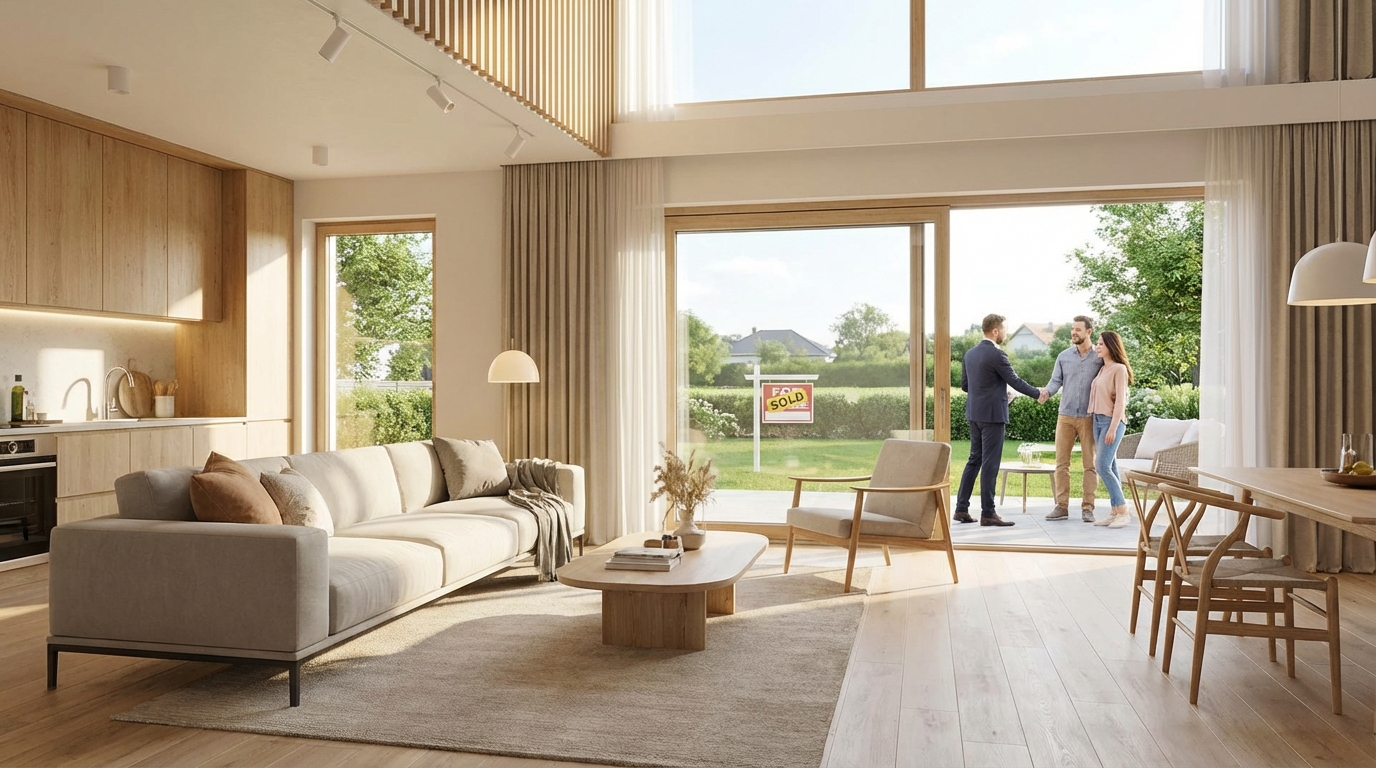
Buyers decide how they feel about a home faster than most sellers expect. In a world where listings are first experienced through photos, video walkthroughs, and quick in-person tours, staging your home for maximum impact is no longer “extra”—it’s a strategic advantage. The goal isn’t to make your home look like someone else’s; it’s to help buyers instantly understand how the space works, how it will feel to live there, and why it’s worth their best offer.
This guide breaks down practical, high-ROI home staging tips you can apply immediately—whether you’re doing a full refresh or staging on a tight budget. You’ll learn what matters most for photos, showings, and buyer psychology, plus a room-by-room plan to create that “this is the one” moment.
Why staging works (and what “maximum impact” really means)
Staging is the art and science of presenting your home so it looks brighter, more spacious, cleaner, and more emotionally appealing—especially online. “Maximum impact” means:
- Stronger first impressions (listing photos, curb appeal, entryway)
- Clearer use of space (buyers understand room function and flow)
- Less visual noise (fewer distractions, more focus on features)
- More perceived value (well-kept, move-in-ready feeling)
Staging also reduces friction: when buyers can easily picture themselves living in the home, they’re more likely to tour, stay longer, and submit confident offers.
Staging vs. decorating: the mindset shift
Decorating is personal. Staging is purposeful. For staging, you’re optimizing for what buyers need to see:
- Light (maximize brightness and openness)
- Scale (right-size furniture to show room dimensions)
- Condition (clean, repaired, and well-maintained)
- Function (every room has a clear role)
The 80/20 staging plan: do these first for the biggest payoff
If you do nothing else, focus on these high-impact fundamentals. They influence both your listing photography and how buyers feel during showings.
1) Declutter like you’re moving (because you are)
Clutter shrinks rooms and makes buyers wonder if the home lacks storage. Aim for a “hotel clean” level of simplicity.
- Clear countertops (especially kitchens and bathrooms).
- Remove extra furniture to open walking paths.
- Edit open shelves: fewer, larger items look cleaner than many small items.
- Pack personal collections and excess decor (think: 50% less).
2) Deep clean + “detail clean”
Buyers notice the details up close—baseboards, vents, windows, grout, and fixtures. A home can be staged beautifully and still feel “off” if it isn’t truly clean.
- Windows: clean inside and out for more natural light.
- Floors: steam mop hard surfaces; professionally clean carpets if needed.
- Bathrooms: polish mirrors and faucets; brighten grout; replace old caulk.
- Odors: eliminate at the source (trash, drains, pet areas), don’t mask.
3) Neutralize—but don’t sterilize
Buyers want a blank canvas, but “blank” doesn’t mean lifeless. Use warm neutrals and simple textures to keep things inviting.
- Swap bold bedding or curtains for light, solid colors.
- Choose one or two accent colors repeated subtly (pillows, art, towels).
- Use greenery (real or high-quality faux) to add warmth without clutter.
4) Fix the small stuff that signals “neglect”
Minor defects create a major impression. The goal is to remove mental “to-do lists” for buyers.
- Patch nail holes and touch up paint.
- Replace burned-out bulbs (match color temperature).
- Tighten loose handles; fix squeaky doors.
- Repair dripping faucets; recaulk tubs and sinks.
5) Light it like a product shoot
Lighting impacts perceived size and cleanliness. For maximum impact, layer your light.
- Natural light: open blinds; remove heavy drapes.
- Ambient light: turn on overhead fixtures where flattering.
- Task light: add lamps to dark corners (especially living rooms and bedrooms).
- Bulbs: aim for consistent warm-white (often 2700K–3000K) throughout.
Room-by-room staging tips buyers actually respond to
Once your foundation is set, stage each space with a single goal: make the room’s purpose obvious and the space feel easy to live in.
Entryway: create instant calm
The entry sets the tone. Even small foyers can feel intentional.
- Add a simple mat and ensure the door hardware shines.
- Use a narrow console or shelf (if space allows) with one small plant or bowl.
- Keep shoes, bags, and coats out of sight during showings.
Living room: show conversation + flow
Buyers want to see where they’ll relax and entertain. Your mission is clear pathways and balanced furniture.
- Float furniture if needed to create a welcoming layout (not everything against walls).
- Use a properly sized rug to anchor seating (front legs on the rug).
- Style the coffee table minimally: a tray, a book, and a small plant.
- Remove oversized recliners or extra chairs that crowd walkways.
Kitchen: clear counters, spotlight storage
Kitchens sell homes, but clutter kills photos. Let buyers see surfaces and storage.
- Keep only 1–2 items on counters (e.g., a bowl of lemons and a cutting board).
- Organize pantry and drawers—buyers open them.
- Hide trash cans and pet bowls during tours.
- Polish appliances and remove fridge magnets/papers.
Dining area: define the lifestyle
Even if you rarely use it, staging a dining space helps buyers understand how they’ll gather.
- Set the table simply (placemats + a centerpiece).
- If the room is small, use fewer chairs to show space.
- Ensure lighting is warm and centered above the table.
Primary bedroom: make it feel like a retreat
Bedrooms are emotional spaces. Aim for clean, calm, and hotel-like.
- Use crisp bedding in light neutrals; add 2–3 pillows for polish (not 10).
- Clear nightstands except for a lamp and one small item.
- Remove personal photos and highly specific decor.
- Show closet space: reduce clothing volume and match hangers if possible.
Bathrooms: spa-clean sells
Bathrooms need to feel hygienic and bright.
- Put away all daily products (toothbrushes, bottles, medications).
- Use fresh white towels and a simple bath mat.
- Add one small “spa” detail (e.g., a plant or neatly folded towels).
- Replace old shower curtains and worn toilet seats if needed.
Home office / flex space: name the room
Ambiguity reduces value. Show buyers a clear function: office, nursery, gym, or guest room.
- Use a simple desk setup (monitor, lamp, minimal accessories).
- Hide cables with clips or a cable box.
- If it’s a flex space, stage it for the most valuable use in your market.
Outdoor spaces: extend the living area
Patios, balconies, and yards photograph well—and buyers mentally add them to the home’s usable space.
- Power wash surfaces; clean outdoor furniture.
- Add a small seating moment (two chairs + small table).
- Refresh mulch, trim bushes, and remove weeds.
- Stage the front porch with a clean doormat and a potted plant.
Staging for listing photos and showings (where offers are won)
Most buyers will meet your home online first. That means you’re staging for the camera and for in-person feel. Here’s how to make both work.
Photo-ready staging checklist
- Turn on all lights; replace mismatched bulbs.
- Open blinds/curtains evenly (avoid half-open).
- Hide bins, cords, remotes, and small appliances.
- Close toilet lids; remove bath mats if they look worn.
- Make beds tight and symmetrical.
- Remove pet items and litter boxes from sight.
- Wipe reflective surfaces (mirrors, stainless steel, glass).
Showing-day “15-minute reset”
For quick showings, keep a repeatable routine:
- Air: ventilate for 10 minutes; take out trash.
- Surfaces: clear counters and wipe sinks.
- Floors: quick vacuum of main pathways.
- Light: open blinds and turn on key lamps.
- Final touch: fresh towels straightened, pillows fluffed, doors aligned.
Budget-friendly staging upgrades with strong ROI
You don’t need a full renovation to create a premium impression. These lower-cost updates often deliver outsized visual results:
- Paint touch-ups: especially trim, doors, and high-traffic walls.
- Modern hardware: swap dated cabinet pulls or faucets (matching finishes).
- Updated lighting: a simple, modern fixture can transform a room.
- Fresh textiles: new towels, bedding, and neutral curtains elevate instantly.
- Strategic mirrors: amplify light in darker rooms or hallways.
Common staging mistakes to avoid
- Over-staging: too many accessories can look cluttered in photos.
- Ignoring smell: strong air fresheners can backfire—aim for “neutral clean.”
- Poor furniture scale: oversized pieces make rooms feel smaller.
- Too personal: family photos and niche decor can prevent buyers from picturing themselves there.
Sell smarter with AIRE: your AI-powered staging and selling advantage
Staging is most effective when it’s tied to a clear selling plan: what to prioritize, what to fix, and what will move the needle for your specific home and timeline. That’s where technology helps you stay focused and confident.
AIRE helps you sell independently with AI-powered guidance—so you can make smart staging decisions, prep for listing photos and showings, and stay organized from “ready to list” through closing. Use AIRE to create a tailored checklist, prioritize improvements, and keep every step of your selling process on track without the guesswork.
Ready to stage your home for maximum impact? Start with the 80/20 plan above, then use AIRE to turn your staging to-dos into a clear, step-by-step selling strategy.