
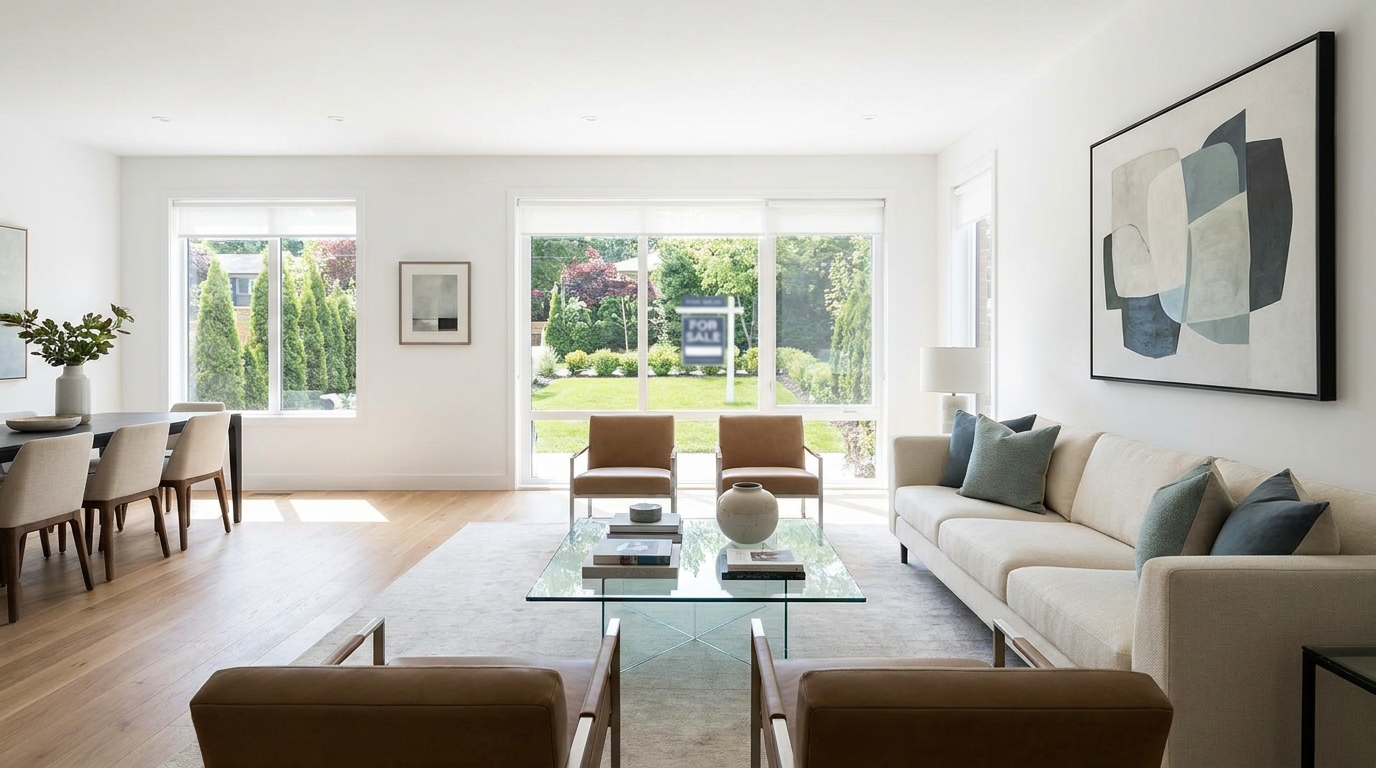
Buyers decide how they feel about a home faster than most sellers expect—often within the first moments of seeing it online or stepping through the door. That’s why staging your home for maximum impact is less about decoration and more about strategy: presenting space, light, and lifestyle in a way that helps buyers say “this is the one.”
In this guide, you’ll learn how to stage effectively (without overspending), which updates deliver the biggest payoff, and how to prep each room for photos and showings—so your home stands out in a competitive market.
Why staging matters (and what “maximum impact” really means)
Staging isn’t about making your home look like a catalog. It’s about removing friction from a buyer’s imagination. The goal is to make each space feel:
- Easy to understand (clear purpose, obvious layout)
- Bright and spacious (light, sightlines, scale)
- Move-in ready (clean, maintained, neutral)
- Photo-friendly (high contrast clutter reduction, cohesive palette)
Maximum impact staging focuses on the areas that shape buyer perception the most: the entry, living room, kitchen, primary bedroom, and bathrooms—plus curb appeal for that first impression.
Staging vs. renovating: where to spend (and where not to)
Staging is typically faster and lower-cost than renovations. If you’re deciding between the two, prioritize changes that improve how the home shows:
- Do: deep clean, paint touch-ups, lighting upgrades, minor repairs, modern hardware
- Be careful with: full kitchen remodels, high-end customizations, trendy tile that may polarize buyers
- Always do: fix visible defects (leaks, stains, broken fixtures)—buyers read them as “more problems behind the walls”
The staging foundation: clean, decluttered, and camera-ready
Before you move furniture or buy a single pillow, nail the fundamentals. These steps deliver the biggest visual return.
1) Declutter like you’re moving (because you are)
Clutter makes rooms feel smaller and distracts from features buyers care about (floors, windows, storage). Aim to remove 30–50% of visible items from each room.
- Clear countertops (kitchen and baths should look almost unused)
- Remove duplicates (extra chairs, side tables, too many lamps)
- Minimize kids’ items and pet gear (store baskets out of sight for showings)
- Clean out closets by at least 25% to signal “ample storage”
2) Depersonalize to help buyers picture themselves
Buyers should remember the home, not the homeowner. Pack away:
- Family photos and highly personal wall art
- Political or niche décor
- Collections and crowded bookshelves
Tip: Keep a few neutral pieces (plants, a simple mirror, a calm landscape print) to avoid a sterile feel.
3) Deep clean and eliminate odor triggers
Nothing undermines “move-in ready” faster than grime or smell. Focus on the spots buyers notice immediately:
- Baseboards, doors, and switch plates
- Windows inside and out (light sells)
- Kitchen range hood, sink, and garbage area
- Bathroom grout, drains, and mirrors
Odor checklist: wash soft textiles, clean litter boxes daily, air out closets, replace HVAC filters, and avoid heavy fragrances (buyers may interpret them as “cover-ups”).
4) Use light strategically (it photographs and shows better)
- Replace burnt bulbs and match color temperature (soft white around 2700–3000K is typically inviting)
- Open curtains and raise blinds for maximum natural light
- Add a floor lamp in dark corners to even out shadows
Room-by-room home staging tips for maximum impact
Once the basics are done, stage each space to communicate purpose, scale, and flow. Your goal: make buyers think, “This feels bigger than I expected.”
Entryway: create an instant “welcome” moment
- Add a simple doormat and a clean, bright porch light
- Inside, use a slim console or small bench (avoid bulky furniture)
- Include one focal element: a mirror (adds light) or a single piece of art
Pro move: Clear the floor completely—no shoes, backpacks, or stacks of mail.
Living room: define the conversation zone
The living room often anchors the buyer’s emotional response. Stage it to feel open and social.
- Float furniture when possible (even a few inches off the wall can improve flow)
- Create a clear walkway and avoid blocking windows
- Use a rug large enough for at least the front legs of seating to sit on it
- Keep styling minimal: 1–2 pillows per seat, a simple throw, and one clean centerpiece
Avoid: oversized sectionals that dominate the room, too many small décor items, and visible cords.
Kitchen: sell “clean, functional, updated”
Kitchens sell homes, but buyers scrutinize them. Staging here is about clarity and cleanliness.
- Clear countertops entirely except 1–2 items (e.g., a bowl of citrus and a small plant)
- Remove magnets, papers, and photos from the fridge
- Polish appliances and fixtures; replace dated cabinet pulls if needed
- Set out fresh towels and hide soap bottles under the sink
Quick upgrade: If your lighting is dim, swap in a brighter, modern fixture or add under-cabinet lighting for a high-impact feel.
Dining area: show scale and flexibility
- Use appropriately sized furniture (avoid cramming in extra leaves or chairs)
- Set a simple, neutral table: placemats + a low centerpiece
- If the space is small, show a “breakfast nook” vibe with two chairs instead of four
Primary bedroom: make it feel like a calm retreat
This room should communicate rest and spaciousness.
- Use crisp bedding in light, neutral tones
- Add symmetry: matching lamps or nightstands where possible
- Remove extra furniture (especially workout gear, office setups, and piles of laundry)
- Keep closets tidy and floors clear
Tip: If the room is tight, replace oversized nightstands with smaller ones and use wall-mounted sconces to free up surface space.
Bathrooms: make them feel like a hotel
- Remove everything from counters except one soap dispenser (and maybe a small plant)
- Hang fresh, matching towels (white or neutral reads clean)
- Replace old shower curtains and bath mats
- Close toilet lids; keep trash bins hidden if possible
Small fix, big payoff: Re-caulk around tubs and sinks and replace yellowed switch plates.
Home office or flex space: clearly label the purpose
Buyers love flexibility, but they also need clarity. Stage flex spaces as one thing:
- Office: desk, chair, lamp, minimal accessories
- Guest room: bed/daybed, side table, simple art
- Fitness nook: one piece of equipment + mat + towel (not a storage zone)
Outdoor spaces: extend the lifestyle
- Power wash patios and walkways
- Mow, edge, and refresh mulch for a clean outline
- Add simple seating (two chairs and a small table can “create” a patio)
- Use warm lighting for evening showings (string lights are great if subtle)
Photo day and showing day: staging checklists that sell
Most buyers meet your home through photos first. A staged home that photographs well can drive more clicks, showings, and stronger early interest.
Photo-ready checklist (30 minutes before)
- Turn on all lights and open curtains/blinds
- Hide: trash cans, toilet brushes, pet bowls, cords, remotes
- Clear: kitchen and bath counters completely
- Make beds tight and wrinkle-free
- Remove cars from driveway; tidy the garage entrance if visible
- Do a final sweep for streaks on mirrors and stainless steel
Showing-ready routine (daily maintenance)
- Keep a “stash bin” per room to quickly hide small items
- Run a quick vacuum and wipe surfaces each morning
- Air out the home for 10 minutes before showings
- Set thermostat to a comfortable temperature (comfort reduces buyer friction)
Common staging mistakes to avoid
- Over-staging: too many accessories can feel like clutter
- Ignoring scale: furniture that’s too large makes rooms feel smaller
- Busy colors: bold accent walls can distract in photos
- Forgetting sound: noisy fans, loud clocks, or barking can ruin the vibe
- Visible “to-do” lists: tools, paint cans, and unfinished projects signal work
How to stage smart on a budget (high ROI moves)
You don’t need a big spend to create a premium feel. The best staging investments are usually simple, repeatable upgrades:
- Paint touch-ups in scuffed areas and around trim
- Updated lighting in key rooms (entry, kitchen, dining)
- Matching hardware (cabinet pulls, faucets if outdated)
- Neutral textiles (bedding, towels, simple rugs)
- Greenery (real or high-quality faux plants for life and color)
Rule of thumb: Prioritize what buyers see first and most often—front entry, main living spaces, kitchen, and primary suite.
Conclusion: Stage with intention, sell with confidence
Staging your home for maximum impact is one of the most practical ways to improve buyer perception—online and in person. When you focus on light, layout, cleanliness, and a neutral-but-warm presentation, you reduce objections and help buyers emotionally connect with the space.
Ready to turn staging into a stronger sale strategy? With AIRE, you can price with data, generate a tailored listing plan, create photo-ready marketing, and manage your selling checklist end-to-end—powered by AI—so you stay in control and move from “prep” to “sold” with clarity.