
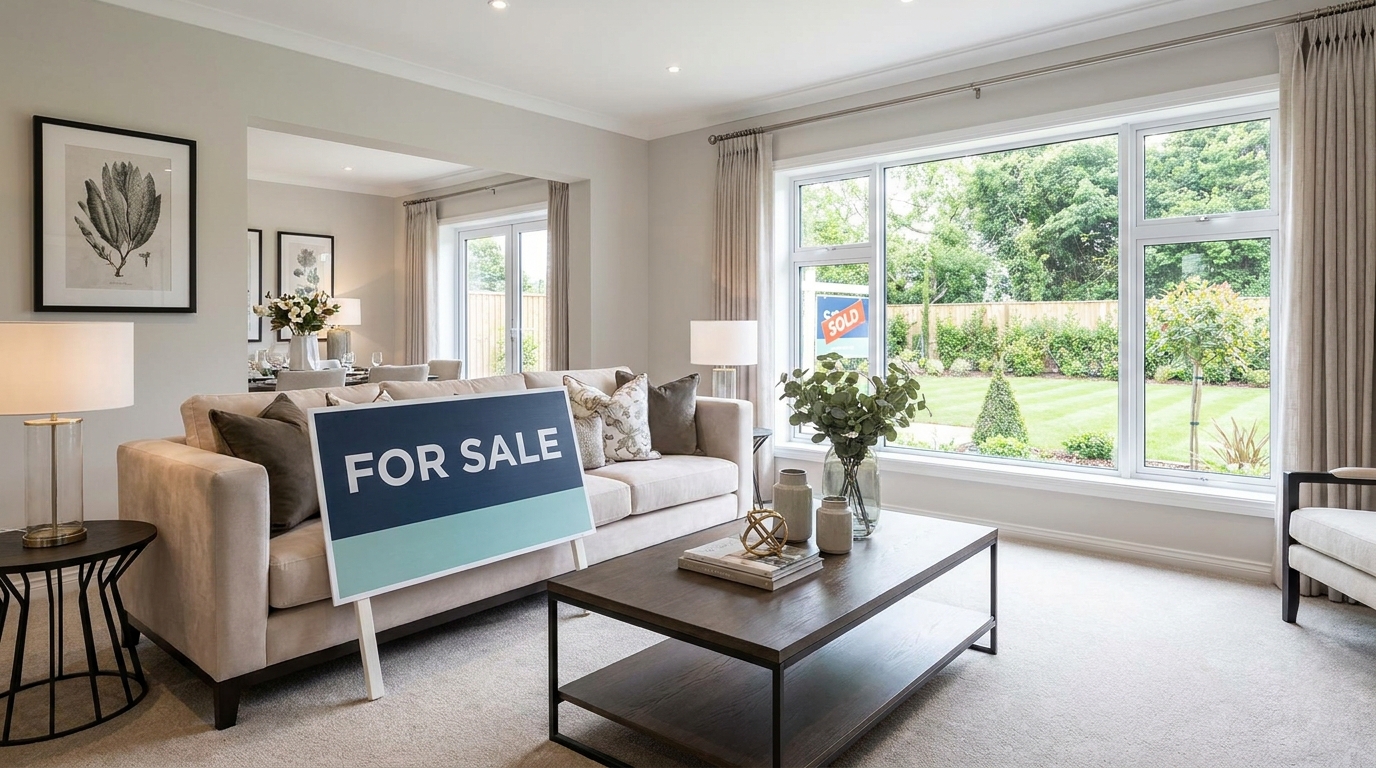
Buyers decide how they feel about a home in minutes—sometimes seconds. The good news: you can influence that first impression quickly and strategically. Staging your home for maximum impact isn’t about making your space look “perfect” or expensive; it’s about helping buyers picture their life there, reducing distractions, and highlighting the features that justify your asking price.
Below is a practical, data-informed guide to home staging that you can execute yourself—whether you’re working with an empty home, a lived-in family space, or a condo with tight square footage.
Why staging works (and what “maximum impact” really means)
Staging is the art and science of presenting your home so it photographs well, shows well, and feels easy to say yes to. When staging is done right, it can:
- Increase perceived value by making rooms feel brighter, cleaner, and more spacious.
- Shorten days on market by reducing buyer hesitation and “decision fatigue.”
- Improve listing performance online because staged homes typically photograph better—driving more clicks, saves, and showing requests.
Maximum impact staging focuses on three outcomes:
- Clarity: Buyers instantly understand each room’s purpose.
- Flow: Walkways feel open, and rooms feel proportionate.
- Emotional pull: The home feels welcoming, calm, and move-in ready.
Start with the “Big 3”: declutter, depersonalize, deep clean
Before you buy a single pillow or paint sample, focus on the foundational work that creates the biggest visual difference per dollar.
1) Declutter (less stuff = more space)
Clutter doesn’t just look messy—it makes rooms feel smaller and raises doubts about storage. Use this simple rule: remove 30–50% of what’s visible on surfaces and floors.
- Clear kitchen and bathroom counters (leave only 1–3 “intentional” items).
- Remove extra chairs, side tables, and oversized décor that blocks sightlines.
- Thin out closets and pantries (buyers open doors—crowded storage feels like a warning sign).
Actionable tip: Pack as if you’re moving. Label boxes by room and store them neatly in a garage corner, basement, or off-site storage to keep the home photo-ready.
2) Depersonalize (make it easy for buyers to imagine themselves there)
Buyers aren’t buying your story—they’re shopping for their next chapter. Depersonalizing doesn’t mean removing all warmth; it means reducing “identity cues” that distract from the home.
- Take down family photo walls and highly specific artwork.
- Minimize bold collections (sports memorabilia, niche collectibles, etc.).
- Keep décor neutral and calming, with a few tasteful accents.
3) Deep clean (shine sells)
A clean home signals care and reduces the mental list of “projects” buyers imagine they’ll need to do.
- Clean windows inside and out where possible (natural light is a multiplier).
- Scrub grout, recaulk tubs, polish fixtures, and eliminate odors at the source.
- Vacuum edges, baseboards, vents, ceiling fans, and light switches—buyers notice details up close during showings.
Pro move: Replace burned-out bulbs and match color temperature (warm/soft white) to avoid a patchwork lighting effect in photos.
Room-by-room staging that moves the needle
When you stage strategically, you’re guiding attention toward the home’s strongest selling points—layout, light, storage, and livability. Here’s how to tackle each key area.
Entryway: create an instant “welcome” moment
Your entry sets expectations for the rest of the home. Aim for simple and spacious.
- Add a clean doormat and a bright bulb at the entry.
- If space allows, include a slim console or small bench.
- Use a mirror to reflect light and make the area feel larger.
Living room: define conversation and flow
Buyers should immediately see where to sit, where the TV could go, and how people move through the space.
- Float furniture away from walls if it helps create a better layout.
- Use a rug to “anchor” the seating area and define the room.
- Keep coffee tables and side tables proportional—oversized pieces make rooms feel tight.
Quick checklist: Clear pathways (about 30–36 inches), hide cords, and minimize small décor items to avoid visual noise.
Kitchen: clear counters, highlight storage, add one lifestyle cue
Kitchens sell homes, and buyers look for cleanliness, workspace, and storage.
- Remove countertop appliances you don’t use daily.
- Organize pantry shelves so they look spacious and functional.
- Add one staged moment: a bowl of fresh fruit or a simple cutting board setup.
High-impact, low-cost upgrades: swap dated cabinet hardware, replace a tired faucet if needed, and use consistent LED bulbs for brighter photos.
Dining area: show scale and purpose
Even if you rarely use a dining space, buyers want to see it as usable.
- Use the right-size table (too big crowds the room; too small feels awkward).
- Set the table simply (placemats + neutral settings) to create warmth.
- Make sure light fixtures are clean and centered over the table.
Primary bedroom: create a calm, hotel-like feel
The goal is serenity and space, not a packed furniture showroom.
- Use crisp bedding in light, neutral colors; add 2–3 pillows for polish.
- Clear nightstands to one lamp + one small accessory each.
- Remove extra furniture if it makes the room feel cramped.
Tip: If your closet is a selling point, stage it too—match hangers, leave breathing room, and use baskets for small items.
Bathrooms: make them feel like a spa (not a storage unit)
Bathrooms are small, so details matter more.
- Put away personal products; leave a soap dispenser and one folded towel set.
- Replace old shower curtains and bath mats with fresh, neutral ones.
- Fix dripping faucets, loose handles, and damaged caulk—small issues read as “deferred maintenance.”
Home office / flex space: label the room for buyers
Flex spaces can confuse buyers if they can’t tell what the room is for.
- Stage it clearly as an office, gym nook, guest room, or playroom—not a catch-all.
- Use minimal furniture to show square footage and versatility.
- Add one focal point (art, lamp, or plant) to make it feel intentional.
Outdoor spaces: curb appeal and lifestyle sell
Curb appeal can determine whether a buyer walks in with excitement or skepticism.
- Mow, edge, and weed; refresh mulch for a clean, maintained look.
- Power wash walkways and the front stoop if needed.
- On patios/decks, stage a small seating area to signal “usable outdoor living.”
Budget-friendly staging upgrades with outsized ROI
You don’t need a huge staging budget to make a major difference. Focus on changes that improve light, cleanliness, and cohesion.
Top high-impact upgrades
- Paint touch-ups: Patch and paint scuffs, especially on baseboards and high-traffic walls.
- Lighting: Brighter, consistent bulbs and clean fixtures make rooms feel bigger.
- Hardware refresh: Matching knobs/pulls modernize kitchens and baths quickly.
- Window treatments: Sheer or simple panels can elevate photos and soften rooms (avoid heavy drapes that block light).
- Textiles: A few coordinated pillows, throws, and a neutral rug can make the home feel “finished.”
What to skip (often a waste)
- Overly trendy décor that polarizes buyers.
- Too many small accessories (they clutter photos).
- Major renovations unless clearly necessary for safety/function—staging is about presentation, not remodeling.
Staging for photos and showings: your visibility strategy
Today, your first showing happens online. Staging should be optimized for listing photos and in-person walkthroughs.
Photo-ready staging checklist
- Open blinds and curtains; turn on all lights.
- Hide trash cans, pet bowls, and cleaning supplies.
- Close toilet lids; remove bath towels used that day.
- Limit countertop items to a few intentional pieces.
- Make beds tightly (smooth comforter, aligned pillows).
- Do a final floor sweep/vacuum right before photos.
Showing-day staging checklist (15-minute reset)
- Ventilate: Open windows for 5–10 minutes, then set a comfortable temperature.
- Clear: Put daily items away (mail, chargers, toys, laundry).
- Brighten: Lights on, blinds open, mirrors clean.
- Freshen: Neutral scent only—avoid heavy air fresheners that feel like “cover-ups.”
- Final pass: Straighten pillows, align rugs, wipe counters, empty small bins.
Important: If you have pets, plan for showings in advance—remove litter boxes when possible, vacuum fur, and consider off-site time during buyer visits for the best impression.
Common staging mistakes (and how to avoid them)
- Too much furniture: If a room feels tight, remove pieces—even if you love them.
- Ignoring odors: Address the source (trash, drains, carpets) instead of masking.
- Over-personalization: Bold themes can reduce buyer connection.
- Poor lighting: Dark rooms look smaller and feel less inviting.
- Forgetting the exterior: A great interior can’t fully overcome weak curb appeal.
Bring it all together: a simple staging plan you can execute
If you want a straightforward path, follow this order:
- Week 1: Declutter + pack non-essentials + deep clean.
- Week 2: Repairs + touch-up paint + lighting/hardware updates.
- Week 3: Room-by-room staging + photo prep + curb appeal refresh.
- Listing week: Keep a daily 15-minute reset routine for showings.
Staging is not about perfection—it’s about reducing friction and increasing buyer confidence. When buyers walk in and feel like the home is cared for, bright, and easy to live in, you’ve done your job.
Sell smarter with AIRE
Staging sets the stage—now make sure your listing strategy matches the same level of polish. With AIRE, you can use AI-powered tools to help you price competitively, create a compelling listing description, organize your selling checklist, and manage the transaction steps with clarity and control—without relying on traditional agents.
Ready to showcase your home at its best and sell with confidence? Create your selling plan in AIRE and let AI guide you from staging to closing.