
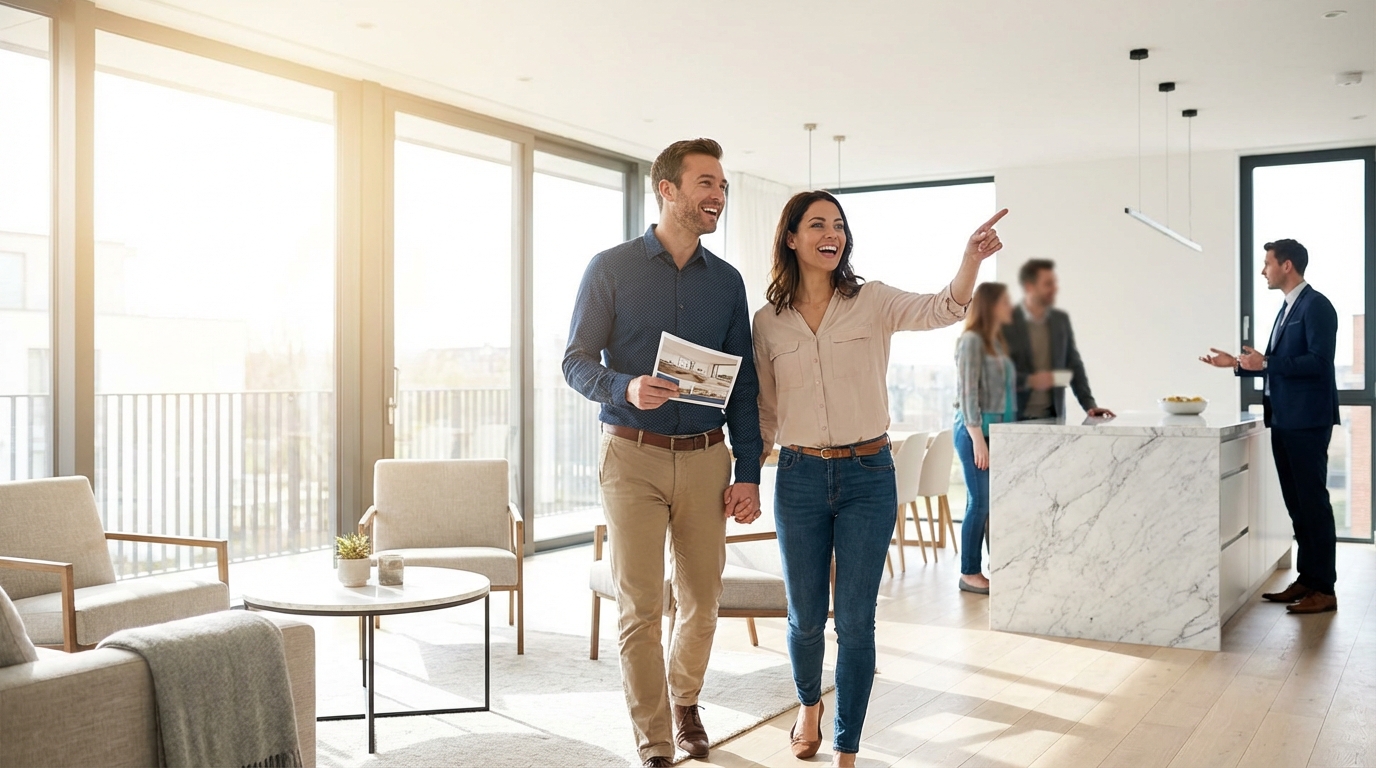
An open house is more than a casual walkthrough—it’s one of the few moments you can evaluate a property in real time, compare it against others, and gather details that can make or break your decision. The best buyers don’t just “look around.” They use a repeatable system to measure condition, value, lifestyle fit, and offer readiness.
This guide breaks down open house strategies you can use to tour like a pro: what to do before you arrive, how to inspect efficiently, which questions uncover the truth, and how to follow up with speed and confidence.
Why Open Houses Still Matter (Even in a Digital-First Market)
Photos, floor plans, and 3D tours are helpful, but they can’t fully reveal noise levels, odors, natural light changes, street traffic, or the “feel” of the layout. Open houses also create a unique opportunity to:
- Validate the listing’s story (condition, upgrades, space flow, storage).
- Sense competition (how busy it is, what other buyers are reacting to).
- Gather “off-page” context (seller timeline, recent price changes, offer expectations).
- Move faster by collecting key data you’ll need for an informed offer.
Open houses can also reduce decision fatigue. When you tour multiple homes with a consistent scoring approach, patterns become obvious—what’s truly “must-have” versus what’s just nice staging.
Pre-Open House Strategies: Prepare Like You’re Making an Offer
The biggest advantage you can create before an open house is clarity: knowing your budget, your deal-breakers, and the questions that matter. Show up ready to evaluate, not just browse.
1) Build a quick “tour brief” for each property
Before you go, spend 10 minutes creating a simple snapshot on your phone notes. Include:
- Address + list price
- Bed/bath, square footage, lot size (if applicable)
- Days on market and any price changes
- HOA dues (if applicable) and what they cover
- Your top 5 questions (see section below)
Actionable tip: If you’re visiting multiple open houses in one day, create a single comparison note with each home in a separate section so you can score them consistently.
2) Know your non-negotiables and “nice-to-haves”
Open houses can be emotionally persuasive. Counterbalance that by defining:
- Non-negotiables: max monthly payment comfort zone, commute limit, minimum bedrooms, parking requirements, accessibility needs.
- Nice-to-haves: updated kitchen, big backyard, finished basement, premium views.
When you’re clear going in, you’re less likely to overvalue cosmetic upgrades or underweight expensive-to-fix issues.
3) Bring the right tools (simple, but powerful)
- Phone charger (you’ll take photos and notes)
- Measuring tape or a phone measuring app
- Flashlight (basements, attics, under-sink cabinets)
- Shoe covers (some homes request them)
- A checklist (print or digital)
Open House Walkthrough Strategy: Tour With a System
A structured approach helps you avoid the most common mistake: spending too much time admiring staging and too little time evaluating fundamentals. Use a two-pass tour: a quick scan first, then a deeper second look.
Step 1: Do a 3-minute “big picture” scan
As soon as you enter, quickly assess:
- Layout flow: Does it feel functional or choppy?
- Natural light: Which rooms are bright vs. dim?
- Odors and air quality: Musty smells can signal moisture issues.
- Noise: Can you hear traffic, neighbors, or barking?
- Temperature consistency: Hot/cold spots may suggest HVAC or insulation issues.
If the home fails your non-negotiables in the first few minutes, it’s okay to leave early. Saving time is a strategy.
Step 2: Use a “top-down + bottom-up” inspection loop
On your second pass, evaluate condition in a repeatable order. This keeps you from forgetting critical areas.
- Ceilings and walls: look for stains, cracks, bubbling paint (possible leaks).
- Windows: check for fogging between panes, sticky tracks, drafts.
- Floors: uneven areas can indicate foundation or subfloor issues.
- Kitchen and baths: open cabinets, check under sinks for moisture, test water pressure.
- Electrical: note older panels, limited outlets, DIY wiring signs.
- Basement/crawl space: look for efflorescence (white residue), sump pump, dehumidifier usage.
- Attic (if accessible): insulation depth, ventilation, visible roof leaks.
Practical tip: Take one photo per room and two “evidence” photos (anything concerning). Later, those photos make side-by-side comparisons far easier.
Step 3: Evaluate the exterior like an owner would
Exterior issues can be costly and are easy to overlook during a staged interior tour. Spend 5–10 minutes outside checking:
- Roof condition: missing shingles, sagging, visible patchwork.
- Gutters and drainage: downspouts directing water away from the foundation.
- Grading: ground sloping away from the house reduces water risk.
- Siding and trim: peeling paint, soft wood, gaps.
- Foundation: cracks, shifting, moisture signs.
- Neighborhood cues: parking density, street noise, nearby commercial activity.
Step 4: Score the home immediately (before you forget)
Right after the tour—still in the driveway or your car—rate the home 1–10 in four categories:
- Location fit (commute, amenities, noise, safety feel)
- Layout + livability (daily flow, storage, room sizes)
- Condition risk (maintenance, visible issues, age of systems)
- Value alignment (does the price feel justified vs. other tours?)
This simple scoring system prevents “house amnesia,” especially after a day of multiple open houses.
Questions to Ask at an Open House (That Actually Reveal Useful Info)
Open house conversations can be polite and brief—but your goal is to learn what the listing doesn’t plainly say. Ask questions that uncover motivation, timing, condition, and terms.
Seller and timeline questions
- Why is the seller moving?
- What’s the seller’s ideal closing timeline?
- Have there been any offers? If yes, what terms are they prioritizing (price, close date, contingencies)?
- Has the price changed? If so, why?
Condition and maintenance questions
- How old are the roof, HVAC, and water heater?
- Any recent repairs or insurance claims?
- Any known issues with plumbing, electrical, or drainage?
- Were renovations permitted? (When applicable.)
Cost and ownership questions
- What are typical monthly utilities? (Seasonal ranges if possible.)
- Are there HOA rules, special assessments, or rental restrictions?
- What’s included in the sale? Appliances, window treatments, smart devices, sheds, etc.
Neighborhood and lifestyle questions
- How is street parking on weeknights?
- Any recurring noise issues? (Trash pickup, nearby venues, school traffic.)
- How do deliveries, trash, and snow removal work? (Highly practical, often overlooked.)
Tip: If you’re serious about the home, ask whether there are disclosure documents, inspection reports, or HOA docs available for review right away. Getting documents early helps you move faster—and smarter.
Advanced Open House Strategies: Compete, Compare, and Act Fast (Without Rushing)
Open houses can be competitive environments. You don’t need to panic—but you do need a plan that balances speed with diligence.
1) Read the room: demand signals you can observe
- Traffic volume: steady crowds often mean multiple offers are likely.
- Buyer behavior: people measuring rooms, revisiting spaces, discussing numbers quietly.
- Questions being asked: lots of financing/closing timeline talk suggests offer activity.
Use these signals to calibrate your next steps: request documents sooner, schedule a second showing (if available), or prepare offer terms quickly.
2) Compare with comps and “competing listings” immediately
The strongest open house strategy is pairing your tour impressions with data. As soon as you leave, compare the home against:
- Recent sold homes in the area (similar size, condition, lot, school zone).
- Active listings you could buy instead.
- Price-per-square-foot trends (use carefully—condition and layout matter).
Data keeps you grounded when a home is beautifully staged but overpriced—or imperfect but a strong value.
3) Use a “repair reality” filter
Not all issues are equal. During or after the open house, sort findings into three buckets:
- Cosmetic: paint, fixtures, landscaping—usually manageable.
- Functional: aging appliances, worn flooring—mid-level costs.
- Structural/systemic: roof, foundation, major water intrusion, outdated electrical—potentially high risk.
This helps you decide whether to proceed, adjust your offer strategy, or move on.
4) Don’t skip the “second look” strategy
If a home is a top contender, try to revisit at a different time of day (or at least walk the block again). You’re checking for:
- Traffic pattern changes (school pickup, rush hour)
- Light changes (glare, dark rooms)
- Neighborhood activity (noise, parking availability)
5) Have an offer-readiness checklist before you fall in love
In competitive markets, the winners are often the most prepared. Keep these ready:
- Financing plan: pre-approval or proof of funds.
- Deposit and closing timeline comfort: know your boundaries.
- Must-have contingencies: decide what you will and won’t waive.
- Document review plan: disclosures, HOA docs, permits, known repairs.
Preparation doesn’t mean rushing—it means you can act confidently when the right home appears.
Common Open House Mistakes to Avoid
- Letting staging override fundamentals: rugs can hide floor issues; lighting can mask wall flaws.
- Not opening cabinets and closets: storage and moisture clues live there.
- Forgetting to check cell service: surprisingly important for daily life and remote work.
- Not documenting your visit: without photos/notes, homes blur together.
- Ignoring total monthly cost: price is only one part; factor taxes, insurance, HOA, and utilities.
Conclusion: Turn Open Houses Into Confident Decisions
The best open house strategies are simple: prepare with data, tour with a system, ask high-signal questions, and document everything. When you repeat that process across multiple homes, you stop guessing—and start choosing based on clear criteria.
Ready to move from touring to winning? AIRE helps you evaluate homes with AI-powered insights, organize disclosures and property details, compare listings faster, and prepare strong, informed offers—so you can buy with confidence on your terms. Explore AIRE and make your next open house the one that leads to a smart, successful purchase.