
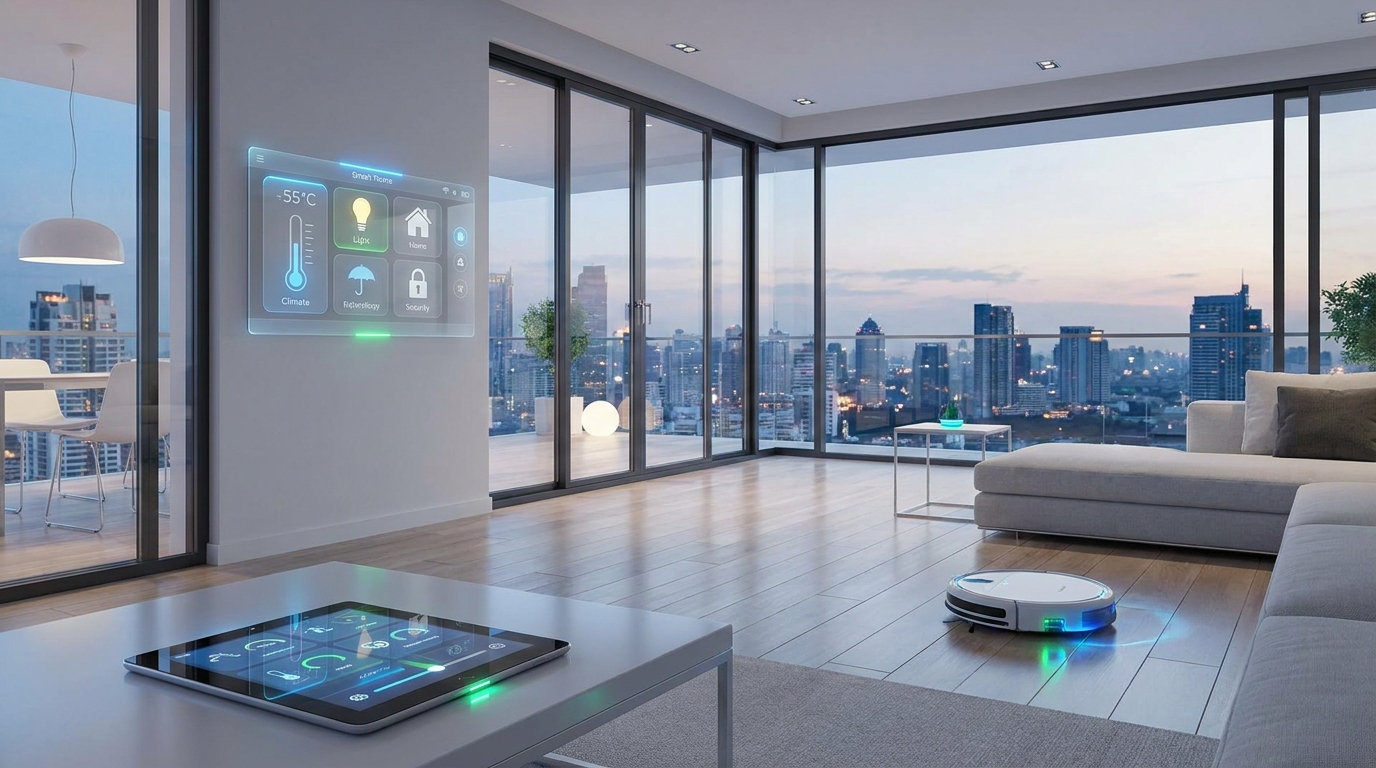
Smart homes have moved from “nice-to-have” to “why doesn’t this house have it?” Buyers aren’t just shopping for square footage anymore—they’re comparing comfort, security, energy costs, and how seamlessly a home fits into a connected lifestyle. The good news: you don’t need a fully automated mansion to compete. You need the smart home features buyers want most, installed thoughtfully and documented clearly.
Below are the upgrades buyers consistently look for, what makes them valuable, and how to prioritize improvements that pay off—especially if you’re preparing to sell.
Why buyers care about smart home features (it’s not just “cool tech”)
Smart home demand is driven by practical outcomes. Most buyers focus on three questions:
- Will this home help me feel safer?
- Will it lower monthly costs?
- Will it make daily life easier?
When smart features clearly support those outcomes—and don’t feel overly complicated—buyers perceive the home as more modern, better maintained, and easier to live in. That can translate into stronger interest, faster decisions, and more confident offers.
Practical tip: Think “ecosystem,” not “gadgets”
A scattered collection of devices can create friction. Buyers prefer a home where devices work together (or at minimum don’t conflict). If you’re upgrading, prioritize products that support common standards and allow easy control via app and voice.
Top smart home features buyers want most
If you’re deciding what to install (or what to highlight in your listing), start here. These are the categories that consistently align with buyer priorities.
1) Smart security and safety (the #1 value driver)
Security is one of the easiest “yes” features for buyers because it provides immediate peace of mind. The most appealing systems are simple, reliable, and easy to transfer to a new owner.
- Video doorbells with motion alerts and package detection
- Smart locks (keypad + app control) with temporary access codes
- Outdoor cameras with night vision and activity zones
- Smart alarm systems with door/window sensors and cellular backup
- Smoke/CO detectors with app notifications and self-testing
- Water leak sensors (especially near water heaters, sinks, and washers)
Buyer mindset: “This home helps protect my family and my deliveries—and it can warn me early if something goes wrong.”
2) Smart thermostats and energy management (monthly savings sell)
Energy efficiency is a major buying motivator, and smart climate control is one of the most recognizable—and highest-impact—upgrades.
- Smart thermostats with learning schedules, remote control, and occupancy sensing
- Zoned heating/cooling controls (where applicable)
- Smart ceiling fans that coordinate with HVAC settings
- Energy monitoring (whole-home or circuit-level) to track usage patterns
Pro move: If you have utility bills or energy-monitoring screenshots showing reduced consumption, keep them ready. Buyers love proof.
3) Smart lighting (instant “wow,” everyday convenience)
Lighting is a small upgrade that can make a home feel premium—without major renovation.
- Smart switches and dimmers (often preferred over smart bulbs)
- Motion-activated lighting in hallways, bathrooms, and garages
- Exterior smart lighting with schedules, dusk-to-dawn settings, and camera integration
- Scenes like “Away,” “Movie,” or “Goodnight” that control multiple lights at once
Buyer mindset: “This home feels modern and convenient, and I won’t have to replace a dozen specialty bulbs.”
4) Reliable connectivity: mesh Wi‑Fi and wired readiness
One of the most overlooked smart home features buyers want is simply… a home that stays connected. Smart devices are only as good as the network behind them.
- Mesh Wi‑Fi systems for consistent coverage
- Ethernet runs (or at least a structured media panel) for office/TV backhaul
- Strong cell reception or support for Wi‑Fi calling
Practical tip: If your home has a dedicated networking panel, label it. A tidy, labeled setup signals “this home is well cared for.”
5) Smart appliances (best when they solve a real problem)
Smart appliances can be appealing, but buyers value them most when they’re clearly useful—not gimmicky.
- Smart ovens/ranges with preheat and safety shutoff features
- Smart refrigerators (alerts for temperature issues can be a plus)
- Smart washers/dryers with cycle alerts (helpful for busy households)
- Smart garage door openers with status alerts and guest access
Rule of thumb: If the app is required for basic use, it may turn buyers off. If the app enhances convenience and safety, it’s a win.
6) Voice and app control (but keep it optional)
Some buyers love voice assistants; others don’t want microphones in their home. The sweet spot is offering voice control as an option while ensuring everything works normally without it.
- Centralized control via a common app dashboard
- Voice assistant compatibility without locking buyers into one ecosystem
- Physical controls still available (switches, keypads, manual overrides)
What buyers don’t want: common smart home deal-breakers
Smart features can backfire if they create uncertainty, extra costs, or privacy concerns. Avoid these pitfalls—or address them proactively before listing.
1) Subscription overload
Monthly fees for cameras, locks, or alarm monitoring can frustrate buyers. If subscriptions are needed for full functionality, disclose them clearly and consider offering a period of prepaid service as a closing incentive.
2) Hard-to-transfer devices and accounts
Buyers worry about inheriting a home tied to someone else’s accounts. Devices should be resettable and transferable.
- Confirm devices can be factory reset.
- Remove devices from your account on closing day.
- Provide a simple one-page handoff guide (more on that below).
3) Privacy and security uncertainty
Buyers are increasingly aware of data privacy. They prefer brands with strong security practices and features like two-factor authentication.
4) Over-automation that feels confusing
If lights turn off unexpectedly or thermostats “fight” with manual changes, it creates doubt. Keep automations simple and predictable—and document them.
How to prioritize smart upgrades (a simple ROI-minded plan)
If you’re deciding what to add before selling, use this order of operations. It’s designed to maximize buyer appeal without overspending.
Step 1: Cover safety first
- Smoke/CO detector upgrades (smart or at least modern and compliant)
- Water leak sensors in high-risk spots
- Video doorbell + smart lock (optional but highly attractive)
Step 2: Add savings and comfort
- Smart thermostat
- Weather sealing + HVAC tune-up (not “smart,” but supports the value story)
- Energy monitoring if your market is efficiency-focused
Step 3: Improve daily convenience and “showing wow”
- Smart switches/dimmers in key areas (kitchen, living room, entry)
- Exterior lighting automation for curb appeal
- Mesh Wi‑Fi for reliable connectivity
Step 4: Only then consider premium extras
- Motorized shades
- Whole-home audio
- Advanced home automation hubs
Tip for sellers: A few well-chosen, easy-to-use upgrades usually outperform an expensive, complex system when it comes to buyer confidence.
How to showcase smart features in your listing (and during showings)
Even great tech can be overlooked if it’s not presented clearly. Here’s how to make your smart home features feel like tangible benefits—not confusing add-ons.
Create a “Smart Home Highlights” checklist
Include this as a simple bulleted section in your marketing materials:
- Security: doorbell camera, smart lock, cameras, sensors
- Energy: smart thermostat, energy monitor, smart lighting schedules
- Connectivity: mesh Wi‑Fi coverage, Ethernet readiness
- Safety: smoke/CO alerts, leak sensors, auto shutoff (if installed)
Provide a one-page handoff guide
Buyers love clarity. Create a single page (printed + PDF) that includes:
- Device list (brand/model)
- What stays with the home vs. what you’ll remove
- Whether subscriptions are required (and cost)
- Reset instructions and recommended setup steps
Stage the experience (without being pushy)
- Set exterior lights to turn on near dusk for evening showings.
- Keep the home at a comfortable temperature controlled by the thermostat.
- Demonstrate one “scene” at most (e.g., “Goodnight” turns off main lights).
The future: AI-powered homes that adapt to you
Buyers are increasingly drawn to homes that feel intuitive—where systems work together and adapt. The next wave isn’t just “smart devices,” it’s AI-assisted automation that helps optimize comfort and efficiency while keeping you in control.
- Predictive energy optimization based on occupancy and weather
- Proactive maintenance alerts (detecting leaks, HVAC issues, unusual energy spikes)
- Safer access management with better audit trails and temporary permissions
The key is balance: buyers want intelligence, but they also want transparency and the ability to override any automation instantly.
Conclusion: Sell (or buy) smarter with the right smart home features
The smart home features buyers want most are the ones that make life safer, simpler, and more cost-efficient—without adding complexity. Focus on security, energy savings, connectivity, and lighting, then document everything clearly so buyers feel confident.
Ready to make smarter real estate decisions with less guesswork? AIRE helps you evaluate upgrades, organize property details, and present your home’s tech features clearly—using AI to streamline your listing strategy, paperwork, and next steps from start to finish. Explore AIRE and take control of your transaction with modern tools built for today’s buyers and sellers.