
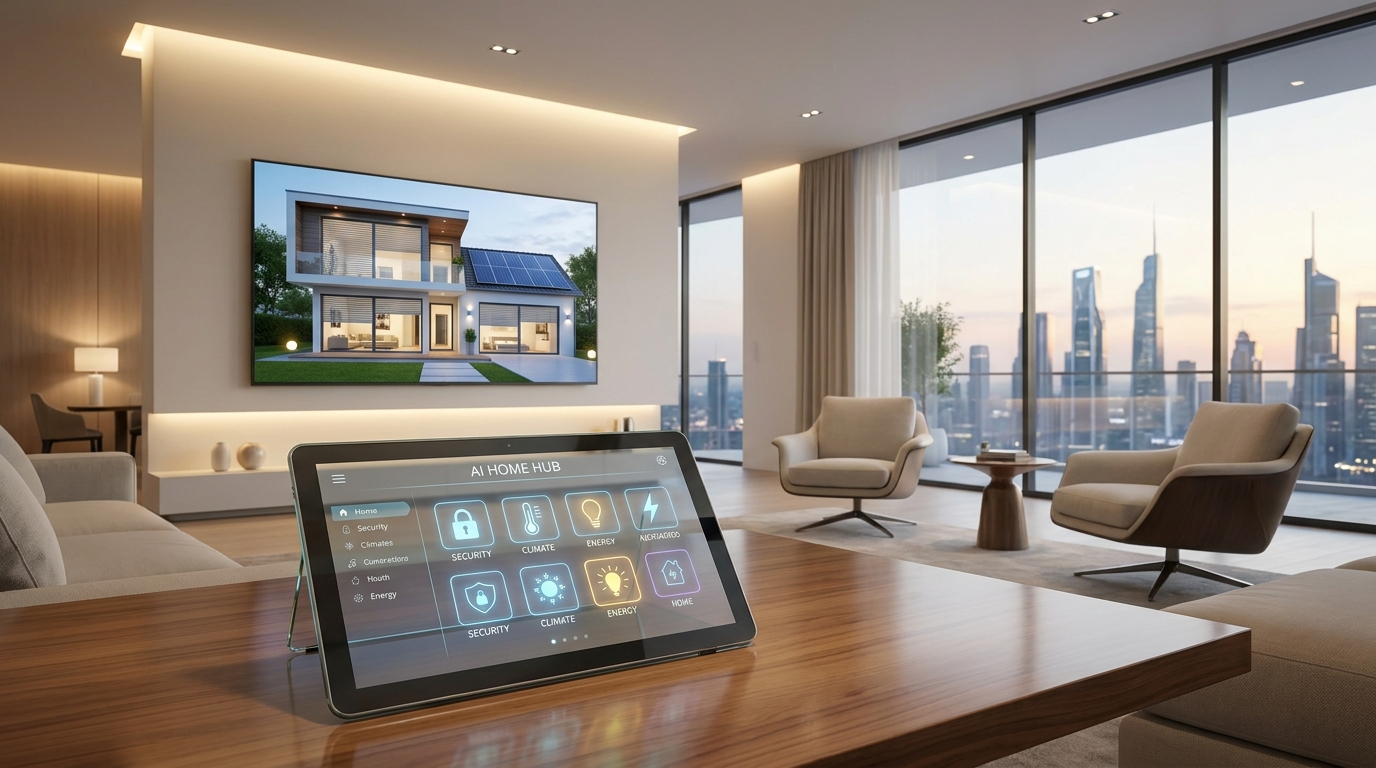
Smart home features aren’t just “nice-to-have” anymore—they’re becoming a buyer expectation. From app-controlled locks to AI-driven thermostats, today’s shoppers are looking for homes that feel safer, run cheaper, and fit effortlessly into digital life. The best part: you don’t need to turn your property into a sci-fi showpiece to win buyers over. You just need to focus on the smart home features buyers want most—and present them clearly.
Below, you’ll find the features that consistently influence buyer interest, how they translate into real-world value, and practical ways to prioritize upgrades (or evaluate a home) without overspending.
What “smart home” means to buyers now
For most buyers, “smart home” doesn’t mean a fully automated mansion. It means:
- Security they can monitor anywhere (video doorbells, smart locks, alerts)
- Lower monthly costs (smart thermostats, efficient lighting, energy monitoring)
- Convenience (voice assistants, automated routines, app control)
- Reliability and simplicity (systems that work without constant tinkering)
The strongest buyer reactions come from features that solve everyday problems: package theft, rising utility bills, and the hassle of managing a home when you’re busy or traveling.
Top smart home features buyers want (and why they matter)
Not all gadgets move the needle. The features below are the ones buyers most often notice during showings and online browsing—because they’re easy to understand and easy to imagine using.
1) Smart security systems (the biggest demand driver)
Security consistently ranks as one of the most compelling smart home categories because the value is immediate: peace of mind. Buyers love being able to see what’s happening at the front door or get motion alerts while away.
- Video doorbells with clear resolution, night vision, and motion zones
- Smart locks with keypad entry, temporary codes, and auto-lock
- Outdoor cameras and floodlights that reduce blind spots
- Window/door sensors and centralized alarm control
Buyer tip: When touring, ask where cameras and sensors are placed and whether they cover key access points (front door, garage, back entry). Also check whether the system requires a subscription and whether it’s transferable.
Seller tip: If you’re adding one upgrade, start with a video doorbell + smart lock. They’re high-visibility features that are easy to explain in a listing.
2) Smart thermostats and energy management
Energy efficiency is now a lifestyle and budget priority. Smart thermostats, room sensors, and energy dashboards help buyers feel in control of costs—especially in regions with hot summers, cold winters, or volatile utility pricing.
- Smart thermostats with schedules, occupancy sensing, and remote control
- Smart vents or room sensors to reduce hot/cold spots
- Whole-home energy monitoring to identify power-hungry appliances
Practical upgrade tip: Pair a smart thermostat with basic “envelope” improvements (weatherstripping, attic insulation, HVAC maintenance). Buyers respond to a story of comfort and efficiency, not just the device.
3) Smart lighting and switches (simple, affordable, high impact)
Lighting is one of the most cost-effective ways to make a home feel modern. Buyers like smart lighting because it improves safety (automatic exterior lights), convenience (bedtime routines), and ambiance (dimmable scenes).
- Smart switches/dimmers (often preferred over smart bulbs for reliability)
- Motion-activated lighting in hallways, laundry, and garages
- Outdoor smart lighting with schedules and dusk-to-dawn settings
Seller tip: Use smart switches in main living areas and exterior zones. They’re less confusing for buyers than mixed bulb brands and reduce the “what app controls what?” problem.
4) Smart smoke/CO detectors and leak sensors (quietly powerful)
These features aren’t flashy, but they’re persuasive because they prevent expensive disasters. Water leaks and unnoticed CO issues are major buyer fears—especially for condos, townhomes, and any property with finished basements.
- Smart smoke/CO detectors with phone alerts and self-testing
- Water leak sensors near water heaters, sinks, toilets, and washing machines
- Smart water shutoff valves that can stop a leak automatically
Buyer tip: Ask whether leak sensors are installed near the water heater and if the shutoff valve is professional-grade and maintained.
5) Smart garage door control
Garage access is a daily touchpoint, and buyers love the assurance of checking whether the door is closed from anywhere. It also helps with package deliveries and letting in service providers.
- App-based open/close control
- Open-door alerts and scheduling
- Integration with cameras for added security
6) EV charging readiness (increasingly a deal-maker)
As EV adoption grows, buyers are paying attention to whether a home can support charging—especially in suburban markets and for homes with garages or driveways.
- Dedicated 240V outlet in the garage
- Hardwired Level 2 charger (with permits where required)
- Electrical panel capacity to support added load
Seller tip: If you install a charger, keep documentation: permits, electrician invoice, and specs. Buyers trust upgrades that are clearly compliant.
7) Whole-home connectivity: strong Wi‑Fi and smart hubs
A “smart home” is only as good as its network. Buyers don’t want dead zones, laggy cameras, or devices that constantly disconnect. Solid connectivity has become a hidden value driver—especially for remote work households.
- Mesh Wi‑Fi systems for consistent coverage
- Ethernet runs to offices, TVs, and access points (when possible)
- Centralized smart hub that reduces app clutter
Buyer tip: Do a quick signal check during a showing—especially in upstairs bedrooms, basements, and home office areas.
How to choose the right smart home upgrades (without overspending)
The smartest approach is to prioritize features that are (1) easy for buyers to understand, (2) visibly improve daily life, and (3) simple to transfer to new owners.
A simple 5-step upgrade prioritization checklist
- Start with security and safety: video doorbell, smart lock, smart smoke/CO, leak sensors.
- Add energy savers: smart thermostat and (if relevant) energy monitoring.
- Improve convenience: smart switches in key areas, garage control.
- Upgrade connectivity: mesh Wi‑Fi for reliable whole-home coverage.
- Consider future-ready features: EV charging readiness if your buyer pool supports it.
Common mistakes to avoid
- Too many ecosystems: Mixing multiple brands and apps can overwhelm buyers.
- Hard-to-transfer accounts: If devices are locked to an account, buyers may see them as hassle, not value.
- Over-automation: Complex routines are impressive but can feel risky if they’re fragile or undocumented.
- Skipping privacy basics: Buyers care about data security and device resets.
Make your smart home “buyer-ready” with a handoff plan
Whether you’re selling or buying, the handoff process matters. A clean transfer builds trust and reduces post-closing headaches.
- Create a one-page device list with brand/model, location, and what it controls.
- Include reset instructions and QR codes/links to manuals.
- Disclose subscriptions (camera storage, monitoring) and whether they’re required.
- Factory reset devices at closing (or immediately after) and remove the home from your smart accounts.
How buyers evaluate smart home features during a showing
If you’re buying, smart features can be a real advantage—but only if they’re functional, secure, and supported. Use this quick framework when you tour:
Smart home “tour test” questions
- Does everything work offline? (At minimum, locks and lights should still function manually.)
- What’s the network setup? Ask about router placement, mesh nodes, and dead zones.
- Are devices modern and supported? Older devices may lose app support or security updates.
- Are there permits for major electrical upgrades? Especially EV chargers and panel work.
- Can the seller transfer ownership easily? Look for documentation and a clear reset plan.
Red flags that reduce value
- Disconnected or broken devices (a “smart home” that doesn’t work can feel like deferred maintenance)
- Unclear wiring or DIY electrical work without documentation
- Camera placement that raises privacy concerns (e.g., interior cameras in sensitive areas)
How to market smart home features so buyers actually notice
Smart features can boost perceived value only if buyers understand them quickly. The goal is clarity: what’s installed, what it does, and why it matters.
Listing tips that increase engagement
- Call out the “outcome,” not just the gadget: “Remote-controlled locks + video doorbell for secure package deliveries.”
- Use a dedicated “Smart Home” bullet list in your property description.
- Highlight cost-control features (thermostat, energy monitoring) alongside any efficiency upgrades.
- Include close-up photos of the thermostat, smart panel, doorbell, and EV charger (if present).
Example: Smart home feature callouts (copy/paste)
- Smart security: Video doorbell + smart lock with custom access codes
- Energy efficiency: Smart thermostat with room comfort scheduling
- Peace of mind: Smart smoke/CO detection + water leak sensors
- Convenience: App-controlled garage door + exterior smart lighting
- EV-ready: 240V outlet / Level 2 charger installed (permit documentation available)
Conclusion: The smartest homes feel simple, safe, and efficient
The smart home features buyers want most aren’t about flashy tech—they’re about security, savings, and everyday convenience. If you’re selling, prioritize upgrades that are easy to understand and easy to transfer. If you’re buying, evaluate whether the smart home setup is reliable, current, and privacy-conscious.
Ready to price, position, and negotiate a smart-home property with confidence? AIRE helps you handle your real estate transaction independently with AI-powered guidance—so you can identify high-impact features, craft a compelling listing, and make data-informed decisions from offer to closing. Explore AIRE to see how smart your next move can be.